Hematology and Oncology Research


Our Latest Notable Research


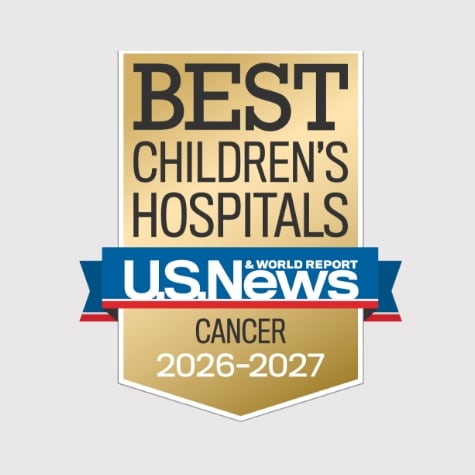
No. 15 in the Nation for Pediatric Cancer
The Aflac Cancer and Blood Disorders Center ranks among the nation’s top 20 pediatric hospitals on the U.S. News & World Report list of “Best Children’s Hospitals” for Pediatric Cancer. The report ranks hospitals for excellence in outcomes, program structure and national reputation.
learn more
Emory University, Our Primary Research and Academic Partner
Children’s and Emory University School of Medicine partner together on clinical trials, residencies and fellowships. More than 500 physicians hold titles at both institutions. Our research program has ranked in the top five nationally for National Institutes of Health (NIH) funding for a decade.
Learn About Emory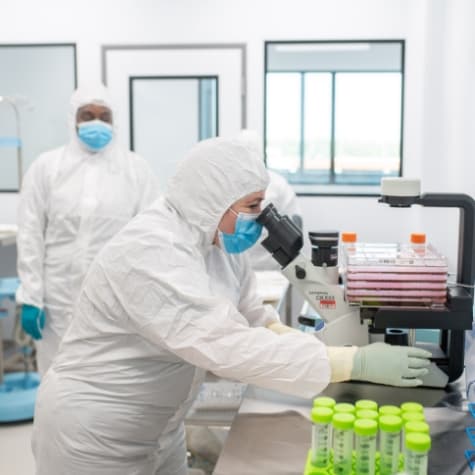
Marcus Center for Cellular Therapy
The Marcus Center for Cellular Therapy offers cell and gene therapy for patients with a variety of diseases—not just cancer. Therapies are manufactured in-house at the center’s good manufacturing practices (GMP) lab and are delivered directly to patients.

Edward and the Precision Medicine Program
Research shows Edward and 15% of patients using genetic testing through the Precision Medicine Program of the Aflac Cancer and Blood Disorders Center receive a targeted therapy.
Watch Our VideoAflac Cancer and Blood Disorders Center of Children’s is uniquely positioned to leverage the vast knowledge and capabilities in Atlanta through our partnership with Emory University School of Medicine and Winship Cancer Institute at Emory University as well as our collaborative relationships with the Georgia Institute of Technology, Morehouse School of Medicine and the U.S. Centers for Disease Control and Prevention (CDC). Working together, we continuously seek cures for the most challenging childhood oncologic and hematologic conditions.
Our program offers access to more than 300 clinical trials and 30 investigator-initiated clinical trials. We boast the nation’s largest pediatric sickle cell program and the only High-Risk Leukemia and Lymphoma Program of its kind on the in the Southeast, while also seeing more than 700 patients in our Immunohematology and Immune Dysregulation Program. Our excellence in these areas enables us to perform some of the most cutting-edge studies in the country. Through our clinical research program, we also have some of the most novel diagnostic and treatment options, including an app which detects anemia using only the snapshot of a fingernail.
Our goal is to provide an open clinical trial for every child we treat, making innovative care accessible to our patients who need it most. We also serve as a referral center for patients from across Georgia and throughout the U.S. who might not otherwise have access to Phase 1 and 2 trials. Furthermore, our physicians participate—and often hold leadership roles—in all of the major national collaborative research consortia geared toward the early clinical development of promising therapies for cancer and blood disorders, including:
- Children’s Oncology Group (COG), including the Phase 1/Pilot Consortium (one of 20 centers nationwide).
- New Approaches to Neuroblastoma Therapy (NANT).
- Therapeutic Advances in Childhood Leukemia and Lymphoma (TACL).
- Pediatric Blood and Marrow Transplant Consortium (PBMTC).
- Sickle Cell Transplant Advocacy and Research Alliance (STAR), a network of more than 38 institutions with a vision to increase awareness, accessibility and success of bone marrow transplant and gene therapy as cures for sickle cell disease.
- Sickle Cell Clinical Research Network through the National Institutes of Health (NIH).
- Excellence in Hemoglobinopathies Award Program through the NIH.
- Childhood Cancer Survivor Study.
Our clinical research team is committed to finding new and less toxic cures that will improve the lives of children with brain and spinal cord tumors by:
- Advancing cutting-edge treatments, including unique immunotherapies (including Indoximod trials and gamma delta T cells) and targeted therapies, to treat the most aggressive childhood brain cancers.
- Performing high-throughput drug screening on individual patient tumors at the time of diagnosis and at relapse to find out which drugs may work the best to kill the patient’s cancer cells.
- Translating our laboratory-based discoveries into new clinical trials for children with incurable brain tumors and partnering with the largest national clinical trial consortia conducting Phase I/II clinical trials for children with brain and spinal cord tumors (PNOC, CONNECT, DOD and COG).
Our laboratory research team is dedicated to discovering new diagnostics, innovative technologies for liquid biopsy and drug delivery, and developing novel therapeutics by:
- Developing a microchip-based liquid biopsy assay, in collaboration with the bioengineering teams at Georgia Institute of Technology, that can isolate cancer cells from the blood of patients with brain tumors to facilitate diagnosis, monitoring of disease, tumor molecular serial sequencing, and detection of minimal residual disease.
- Performing spatial and single cell sequencing of childhood brain tumors to elucidate the relationships between tumor, normal brain and immune cells of the microenvironment that may lead to treatment resistance.
- Testing novel therapeutics and drug delivery systems (nanofibers and focused ultrasound) to target and exploit the metabolic, protein interactions, and signaling pathways critical for the survival of the most common childhood brain cancers: DIPG, DMG, glioblastoma, ATRT, ependymoma and medulloblastoma.
In addition to a growing focus on epidemiology and population health, our team is advancing personalized medicine through the development of targeted therapies, immunotherapies, and gene-editing strategies to make treatments safer and less toxic for children with blood cancers. Through the Aflac Precision Medicine Program, we offer comprehensive tumor genomic profiling for high-risk leukemias and conduct research aimed at improving treatment outcomes. This includes studying the tumor microenvironment, investigating causes of severe adverse effects, and understanding graft failure. We also maintain the Aflac Cancer & Blood Disorders Center Leukemia Biorepository to support research into rare forms of leukemia.
Clinical Research
Our clinical researchers hold leadership positions in national consortia, including Therapeutic Advances in Childhood Leukemia (TACL) and multiple national leadership positions in the Children’s Oncology Group (COG). Key areas of focus include:
- Advancing Hodgkin Lymphoma care in adolescents and young adults (AYA) through clinical trials and immunotherapy development
- Studying treatment side effects using electronic medical record data and bioinformatics to improve clinical trial reporting
- Investigating the long-term effects of tyrosine kinase inhibitors (TKIs) on growth, immune function, and cardiovascular health
- Leading early phase clinical trials on CAR-T cell therapy for B-cell acute lymphoblastic leukemia
Basic/Translational Science
- Exploring CALM-AF10 in aggressive leukemias
- Studying PTPN11 mutations and their impact on leukemogenesis and stem cell signaling
- Investigating ETV6 and WEE1 as molecular mechanisms of leukemogenesis and treatment resistance
- Discovering small-molecule compounds that degrade MDM2 oncoprotein to enable novel cancer therapies
- Developing innovative chimeric antigen receptor (CAR)-based cellular therapies using CRISPR/Cas9 genome editing technology
Our researchers are looking for new ways to improve the health and quality of life of children with solid tumors, including exploring:
- New medicines, including immunotherapies and targeted therapies, to treat a child’s cancer when it comes back or when it doesn’t respond to standard-of-care treatment.
- Maintenance chemotherapy for high-risk solid tumors, including sarcomas, aimed at preventing the cancer from coming back after completion of standard treatment.
- High-risk neuroblastoma therapy and outcomes, including targeted radiotherapy MIBG.
- New treatments for patients with osteosarcoma that has come back, including those with tumors that can be taken out by surgery and those that can’t. This includes combining immunotherapy and target agents with other types of treatment including chemotherapy and radiation.
Our basic and translational research focus includes:
- Understanding critical genetic and proteomic alterations involved in sarcoma development, progression and metastasis that can be utilized as preclinical models for therapeutic testing and efficacy.
- Bringing novel targeted therapeutics and immunotherapies from bench to bedside in patients with neuroblastoma through investigating gamma delta (γδ) T cells as a novel cellular therapy, work recently translated into a first in human Phase 1 trial (NCT05400603), exploring the tumor cell surfaceome for novel immunotherapy targets, and understanding the biology behind disparities in outcome to targeted immunotherapy.
- Validating novel therapeutic targets in Wilms tumor through functional genomics (e.g. RNAi and CRISPR-Cas9), identifying mechanisms of SMARCB1 inactivation and resistance mechanisms to targeted therapies in high-risk pediatric renal tumors (e.g., rhabdoid tumor and renal medullary carcinoma), and developing faithful patient-derived models of high-risk pediatric renal and brain tumors to identify therapeutic targets.
With the goal of improving the health and quality of life of children with bleeding and clotting disorders, our clinical and translational researchers are focused on the following:
- Novel treatment strategies to prevent inhibitor development or improve rates of immune tolerance in people with hemophilia A and factor VIII inhibitors.
- Clinical trials on gene therapy approaches for hemophilia A and other rare bleeding disorders, such as the STRENGTH trial for Glanzmanns Thrombasthenia.
- Clinical trials and observational studies investigating the bleeding patterns, diagnosis and treatment of children and adolescents with von Willebrand disease, rare factor deficiencies and platelet function disorders.
- Research in pediatric thrombosis focused on risk factors for thrombosis, duration of anticoagulation, and prevention strategies with the aim to improve safety and efficacy of anticoagulation in children.
Our basic research focus includes:
- Understanding the mechanisms underlying the immune response to factor VIII in hemophilia A and B.
- Optimizing gene therapy for hemophilia and overcoming immunologic roadblocks to gene therapy delivery in hemophilia and beyond.
- Understanding the structure and function of coagulation proteins.
- Developing micro/nanotechnologies to study, diagnose and treat bleeding and clotting disorders.
Our researchers are seeking ways to improve outcomes and quality of life for children with sickle cell disease through cell and gene therapies and transfusion medicine (the transfer of blood and blood components).
Our clinical and translational researchers are seeking cures, better treatments and ways to improve the quality of life for children and adolescents with the disease by exploring:
- New medicines to reduce the severity and duration of episodes of pain.
- Complementary and integrative approaches to reduce chronic sickle cell disease pain.
- How to reduce late effects and improve quality of life and reproductive health for cell and gene therapy recipients with sickle cell disease.
- How to treat and prevent serious immune responses (red cell alloimmunization or complement activation) that can occur after blood transfusions.
Through the Georgia Solve Sickle Cell Initiative (SolveSickle), our basic science researchers are exploring innovative therapeutic, diagnostic and predictive medicine solutions for sickle cell disease, while expanding access to these advancements both locally and globally.
Our clinical and translational researchers are investigating:
- Alternative donor transplants for sickle cell disease using novel cell and immunotherapy to improve outcomes and the late effects of transplant for sickle cell disease.
- Gene therapy for a range of hematologic conditions, including hemophilia, beta thalassemia and sickle cell disease.
- Novel cell and immunotherapy to treat or reduce the risk of graft-versus-host disease (GVHD).
Additionally, we are one of a select group of centers offering gene therapy for sickle cell disease, beta thalassemia and hemophagocytic lymphohistiocytosis (HLH). Our team has expertise in using CAR-T cell therapy for relapsed and refractory acute lymphoblastic leukemia (ALL). We offer haploidentical transplant with gene-modified T-cells post-transplant to aid immune recovery (Bellicum). Additionally, we lead the Sickle Cell Transplant Advocacy & Research Alliance (STAR) and have membership in the Primary Immune Deficiency Treatment Consortium (PIDTC), Pediatric Blood and Marrow Transplant Consortium (PBMTC), Blood and Marrow Transplant Clinical Trials Network (BMT CTN), and Mount Sinai Acute GVHD International Consortium (MAGIC).
The focus of our basic research is to:
- Identify the molecular pathways linked to the development and evolution of acute and chronic GVHD.
- Develop novel, nongenotoxic targeted conditioning for hematopoietic cell transplantation (HCT).
- Develop immunobiology of immune dysregulation.
- Develop gene therapy for hemophagocytic lymphohistiocytosis (HLH).
Our basic research in gene therapy focuses on inherited diseases, such as hemophilia, sickle cell disease and hemophagocytic lymphohistiocytosis (HLH), and cancer. Our researchers are focusing on introducing corrective genes into bone marrow stem cells to treat several diseases caused by single-gene defects and developing and evaluating recombinant viral vectors, which are used to deliver genetic materials into cells, as a cure for hemophilia A, sickle cell disease and HLH.
Our grant-funded clinical research studies under the Survivor Program advance the science of pediatric survivorship care, while improving the health and well-being of survivors of childhood cancer and bone marrow transplantation through:
- Optimizing care delivery through Cancer SurvivorLink, a secure digital platform that facilitates longitudinal health information exchange and provides evidence-based educational resources for survivors and providers.
- Designing electronic tools to ensure guideline-concordant mental health screening and enhance the precision and usability of survivorship care plans.
- Evaluating systemic and patient-level barriers to risk-based survivor care, successful transition to adult care, and access to genetic counseling.
- Examining health policy, healthcare system factors, and disparities that influence survivorship outcomes, with the goal of informing interventions and policy recommendations.
Our clinical research studies for the Fertility Preservation and Reproductive Health Program address the fertility needs of cancer and bone marrow transplantation patients and survivors through:
- Evaluating models of communication to improve risk disclosure for infertility and increase decisional satisfaction related to fertility preservation choices.
- Developing stratification criteria to predict future infertility risk and guide personalized intervention strategies.
- Investigating biomarkers of infertility to advance early detection and targeted fertility preservation approaches.
Aflac Cancer and Blood Disorders Center
Oncology Section
- Dan Wechsler, MD, PhD, Chief; Co-Director, Hematology/Oncology Fellowship Program
- Mindy Pauly, MD, Medical Director
Solid Tumor Program
- Thomas Cash, MD, Program Director
- Katie Sutton, MD, Clinical Director; Director, Hematology/Oncology Fellowship Program
Neuro-Oncology Program
- Tobey MacDonald, MD, Program Director
- Sheila McThenia, MD, Clinical Director
Developmental Therapeutics Program
- Jason Fangusaro, MD, Director
Cancer Predisposition Program
- Chris Porter, MD, Director
Cancer Survivorship Program
- Karen Effinger, MD, Co-Director
- Jordan Marchak, MD, Co-Director
Fertility Preservation Program
- Lillian Meacham, MD, Director
Supportive Care Clinic
- Katharine Brock, MD, Director
Population Health Program
- Philip Lupo, PhD, Co-Director
- Michael Scheurer, PhD, Co-Director
Genomics, Proteomics, Bioinformatics and Systems Biology
- Manoj Bhasin, PhD, Director
Hematology Section
- Shannon Meeks, MD, Chief; Program Director, Hemostasis & Thrombosis
- Gary Woods, MD, Medical Director; Clinical Director of Thrombosis
General Hematology Program
- Staci Arnold, MD, Program Director
- Jeanne Boudreaux, MD, Clinical Director
Hemostasis and Thrombosis Program
- Robert Sidonio, MD, Clinical Director
Sickle Cell Disease Program
- Beatrice Gee, MD, Program Director
- David Archer, PhD, Director, Basic Research
- Vivien Sheehan, MD, PhD, Director, Translational Research
- Solomon Ofori-Acquah, PhD, Director, Georgia Solve Sickle Cell Initiative
BMT and Gene Therapy Section
- Muna Qayed, MD, Chief; Medical Director, Marcus Center for Cellular Therapy
Immune Dysregulation Program
- Shan Chandrakasan, MD, Clinical Director
Non-Malignant Cellular Therapies Program
- Suhag Parikh, MD, Clinical Director
Cell Therapies Lab
- Beth Stenger, MD, Clinical Director
Cell and Gene Therapy Program
- Trent Spencer, PhD, Director; Research Director, Marcus Center for Cellular Therapy
Psychology Section
- Soumitri Sil, PhD, Chief
- Naadira Upshaw, PsyD, Medical Director
- Lisa Ingerski, PhD, Director, Psychology Fellowship Program
Our Program By The Numbers
- Treating more than 400 new cancer patients annually as one of the largest pediatric cancer programs in the U.S.
- Seeing more than 2,100 sickle cell disease patients each year as the largest program in the nation
- Innovating through our multidisciplinary High-Risk Leukemia and Lymphoma Program as the only program of its kind in the Southeast
- Providing our patients access to more than 300 clinical trials and more than 30 investigator-initiated trials
- Treating more than 700 patients through our Immunohematology and Immune Dysregulation Program
- 81 stem cell transplants performed in 2025


.jpg?h=377&iar=0&w=860&hash=F928E1BACCC0A5B7DDEC0722EED99932)


Clinical Trials
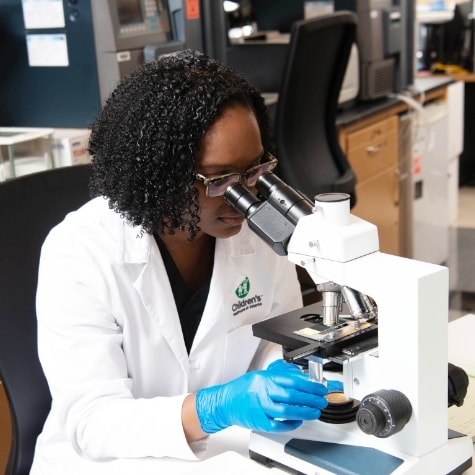
Children’s is involved in more than 1,200 clinical trials locally, nationally and abroad. Find or join one of our trials. Narrow your search by including a specific condition or disease.
Find Our Trials
First-in-child phase I trial of p-STAT3 inhibitor WP1066 in pediatric brain tumor patients. Castellino RC, Mumme H, Franson A, Yu B, Robinson H, Dhodapkar K, Aguilera D, Schniederjan M, Keesari R, He Z, Bhasin M, Priebe W, Heimberger AB, MacDonald TJ. JCI Insight. 2025 Dec 11.
Suppressing recurrence in Sonic Hedgehog subgroup medulloblastoma using the OLIG2 inhibitor CT-179. Li Y, Lim C, Dismuke T, Malawsky DS, Oasa S, Bruce ZC, Offenhäuser C, Baumgartner U, D'Souza RCJ, Edwards SL, French JD, Ock LSH, Nair S, Sivakumaran H, Harris L, Tikunov AP, Hwang D, Alicea Pauneto CDM, Maybury M, Hassall T, Wainwright B, Kesari S, Stein G, Piper M, Johns TG, Sokolsky-Papkov M, Terenius L, Vukojević V, McSwain LF, Gershon TR, Day BW. Nat Commun. 2025 Feb 4.
BRAF Inhibitor Monotherapy in BRAFV600E-mutated Pediatric Low-grade Glioma: A Single Center's Experience. McThenia SS, Reddy KM, Damaraju E, Castellino E, He Z, Beers R, Chien F, Castellino RC, Goldman-Yassen AE, Fangusaro JR, MacDonald T. Front Oncol. 2025 Jan 7.
Device-assisted strategies for drug delivery across the blood-brain barrier to treat glioblastoma. Mokarram N, Case A, Hossainy NN, Lyon JG, MacDonald TJ, Bellamkonda R. Commun Mater. 2025.
Indoximod-based chemo-immunotherapy for pediatric brain tumors: A first-in-children phase I trial. Johnson TS, MacDonald TJ, Pacholczyk R, Aguilera D, Al-Basheer A, Bajaj M, Bandopadhayay P, Berrong Z, Bouffet E, Castellino RC, Dorris K, Eaton BR, Esiashvili N, Fangusaro JR, Foreman N, Fridlyand D, Giller C, Heger IM, Huang C, Kadom N, Kennedy EP, Manoharan N, Martin W, McDonough C, Parker RS, Ramaswamy V, Ring E, Rojiani A, Sadek RF, Satpathy S, Schniederjan M, Smith A, Smith C, Thomas BE, Vaizer R, Yeo KK, Bhasin MK, Munn DH. Neuro Oncol. 2024 Feb 2.
Comprehensive Genomic Profiling of High-Risk Pediatric Cancer Patients Has a Measurable Impact on Clinical Care. Summers RJ, Castellino SM, Porter CC, MacDonald TJ, Basu GD, Szelinger S, Bhasin MK, Cash T, Carter AB, Castellino RC, Fangusaro JR, Mitchell SG, Pauly MG, Pencheva B, Wechsler DS, Graham DK, Goldsmith KC. JCO Precis Oncol. 2022 Apr. 6.
Brentuximab Vedotin with Chemotherapy in Pediatric High-Risk Hodgkin's Lymphoma. Castellino SM, Pei Q, Parsons SK, Hodgson D, McCarten K, Horton T, Cho S, Wu Y, Punnett A, Dave H, Henderson TO, Hoppe BS, Charpentier AM, Keller FG, Kelly KM. N Engl J Med. 2022 Nov.
Single-cell analysis reveals altered tumor microenvironments of relapse- and remission-associated pediatric acute myeloid leukemia. Mumme H, Thomas BE, Bhasin SS, Krishnan U, Dwivedi B, Perumalla P, Sarkar D, Ulukaya GB, Sabnis HS, Park SI, DeRyckere D, Raikar SS, Pauly M, Summers RJ, Castellino SM, Wechsler DS, Porter CC, Graham DK, Bhasin M. Nat Commun. 2023 Oct 5.
Innate immune mechanisms hijacked by leukemia-initiating stem cells for selective advantage and immune evasion in Ptpn11-associated JMML. Zheng H, Zhao P, Tan Z, Yu WM, Werner J, Stieglitz E, Porter CC, Chandrakasan S, Wechsler DS, Mendez-Ferrer S, Qu CK. Cell Rep. 2025 Aug 26.
Lorlatinib with or without chemotherapy in ALK-driven refractory/relapsed neuroblastoma: phase 1 trial results. Goldsmith KC, Park JR, Kayser K, Malvar J, Chi YY, Groshen SG, Villablanca JG, Krytska K, Lai LM, Acharya PT, Goodarzian F, Pawel B, Shimada H, Ghazarian S, States L, Marshall L, Chesler L, Granger M, Desai AV, Mody R, Morgenstern DA, Shusterman S, Macy ME, Pinto N, Schleiermacher G, Vo K, Thurm HC, Chen J, Liyanage M, Peltz G, Matthay KK, Berko ER, Maris JM, Marachelian A, Mossé YP. Nat Med. 2023 May.
Long-Term Outcomes in Patients With Localized Ewing Sarcoma Treated With Interval-Compressed Chemotherapy on Children's Oncology Group Study AEWS0031. Cash T, Krailo MD, Buxton AB, Pawel BR, Healey JH, Binitie O, Marcus KJ, Grier HE, Grohar PJ, Reed DR, Weiss AR, Gorlick R, Janeway KA, DuBois SG, Womer RB. J Clin Oncol. 2023 Oct 20.
Intrinsic Epigenetic State of Primary Osteosarcoma Drives Metastasis. Singh I, Rainusso N, Kurenbekova L, Nirala BK, Dou J, Muruganandham A, Yustein JT. Mol Cancer Res. 2024 Sep 4.
Remaining Challenges in the Treatment of Relapsed Wilms Tumor: Children's Oncology Group and International Society of Paediatric Oncology Perspectives. Sutton KS, Walz AL, Groenendijk A, Murphy AJ, Pater L, Janssens GO, Brzezinski J, Mullen EA, Spreafico F, Godzinski J, van der Beek J, Hwa Wijnen M, van den Heuvel-Eibrink MM, Pachl M, Graf N, Ehrlich PF, Furtwangler R, Brok J, Geller J. Pediatr Blood Cancer. 2025 Aug.
Feasibility of a prospective pediatric melanocytic tumor clinical trial: A report of multidisciplinary clinician survey data from the Children's Oncology Group Rare Tumor Committee. Mitchell SG, Christison-Lagay E, Aldrink J, Sargen MR, Laetsch TW, Austin M, Jen M, Gartrell R, Karunamurthy A, Kirkwood JM, Pappo AS, Seynnaeve BKN. Pediatr Blood Cancer. 2024 Dec.
Clinical Decision Support to Reduce Hospital Length-of-Stay for Cancer Patients with Fever and Neutropenia. Yarahuan JK, Kandaswamy S, Ray E, Leroux R, Liang WH, Orenstein E, Stokes CL. Appl Clin Inform. 2025 May.
Use of CD19-targeted immune modulation to eradicate AAV-neutralizing antibodies. Doshi BS,Markmann CA, Novak N, Juarez Rojas S, Davidson R, Chau JQ, Wang W, Carrig S, Martos Rus C, Samelson-Jones BJ, Small JC, Bhoj VG, George LA. Mol Ther. 2025 Jul 2.
Clinically relevant clot resolution via a thromboinflammation-on-a-chip. Qiu Y, Lin J, Wang A, Fang Z, Sakurai Y, Choi H, Williams EK, Hardy ET, Maher K, Coskun AF, Woods G, Lam WA. Nature. 2025 May.
Immune tolerance induction in paediatric patients with haemophilia A and inhibitors receiving emicizumab prophylaxis. Haemophilia. Batsuli G, Zimowski KL, Tickle K, Meeks SL, Sidonio RF Jr. 2019 Sep;25(5):789-796. doi: 10.1111/hae.13819. Epub 2019 Aug 2.
pH-dependent conformation of multimeric von Willebrand factor. Smith IW, Parker ET, Lollar P. Blood Adv. 2023 Jun 13.
F5-Atlanta: A novel mutation in F5 associated with enhanced East Texas splicing and FV-short production. Zimowski KL, Petrillo T, Ho MD, Wechsler J, Shields JE, Denning G, Jhita N, Rivera AA, Escobar MA, Kempton CL, Camire RM, Doering CB. J Thromb Haemost. 2021 Jul.
Neutralizing Antibodies Against Factor VIII Can Occur Through a Non-Germinal Center Pathway. Patel SR, Lundgren TS, Baldwin WH, Cox C, Parker ET, Healey JF, Jajosky RP, Zerra PE, Josephson CD, Doering CB, Stowell SR, Meeks SL. Front Immunol. 2022 May 11.
von Willebrand factor/factor VIII concentrate (Wilate) prophylaxis in children and adults with von Willebrand disease. Sidonio RF Jr, Boban A, Dubey L, Inati A, Kiss C, Boda Z, Lissitchkov T, Nemes L, Novik D, Peteva E, Taher AT, Timofeeva MA, Vilchevska KV, Vdovin V, Werner S, Knaub S, Djambas Khayat C. Blood Adv. 2024 Mar 26.
Characterizing pregnancy outcomes in a humanized mouse model of sickle cell disease. Chambliss C,Manci E, Fields E, Bueno J, Michael A, Eldeiry E, Hall C, Gee B, Chonat S, Archer DR. Br J Haematol. 2025 Jul 20.
Base editing HbS to HbG-Makassar improves hemoglobin function supporting its use in sickle cell disease. Kostamo Z, Ortega MA, Xu C, Feliciano PR, Budak E, Lam D, Winton V, Jenkins R, Venugopal A, Zhang M, Jamieson J, Coisman B, Goldsborough K, Hernandez B, Kanne CK, Evans EN, Zgodny J, Zhang Y, Darazim J, Patel A, Pendergast MA, Manis J, Hartigan AJ, Ciaramella G, Lee SJ, Chu SH, Sheehan VA. Nat Commun. 2025 Feb 7.
Psychosocial readiness for gene therapy in sickle cell disease: A consensus statement.Hardy SJ, Crosby LE, Porter JS, Sil S, Valrie CR, Jonassaint CR, Bediako SM, Andrews C, Rivera M, Woolford T, Coleman-Cowger VH. (2024). JAMA Network Open,2024 Aug. 1.
Impact of hydroxycarbamide treatment on the whole-blood transcriptome in sickle cell disease. Bhat V, Potdar AA, Yu GK, Gibson G, Sheehan VA. Br J Haematol. 2024 Nov 17.
Notes from the Field: Increase in Diagnoses of Human Parvovirus B19–Associated Aplastic Crises in Children and Adolescents with Sickle Cell Disease — Atlanta, Georgia, December 14, 2023–September 30, 2024. Yee ME, Kalmus GG, Patel AP, Payne JN, Tang A, Gee BE. MMWR Morbidity Mortality Weekly Report 2024.
D-dimer and sinusoidal obstructive syndrome-novel poor prognostic features of thrombotic microangiopathy in children after hematopoietic cellular therapy in a single institution prospective cohort study. Schoettler ML, French K, Harris A, Bryson E, Deeb L, Hudson Z, Obordo J, Chandrakasan S, Parikh S, Watkins B, Stenger E, Qayed M, Chonat S, Westbrook A, Switchenko J, Williams KM. Am J Hematol. 2024 Mar.
Ligand-based targeting of c-kit using engineered γδ T cells as a strategy for treating acute myeloid leukemia. Branella GM, Lee JY, Okalova J, Parwani KK, Alexander JS, Arthuzo RF, Fedanov A, Yu B, McCarty D, Brown HC, Chandrakasan S, Petrich BG, Doering CB, Spencer HT. Front Immunol. 2023 Nov 13.
Systemic T-cell activation and IFN-γ activity in indeterminate severe hepatitis are reminiscent of hemophagocytic lymphohistiocytosis: Implications for T-cell- and IFN-γ-directed therapies. Nguyen TH, Satwani P, Kumar D, Kapoor U, Malik S, Prince C, Montminy T, Smiley K, Martinez M, Goldner D, Marsh R, Remotti HE, Fazlollahi L, Rytting HB, Romero R, Chandrakasan S.J Allergy Clin Immunol. 2025 Jan.
F-FLT PET and Blood-based Biomarkers for Identifying Gastrointestinal Graft versus Host Disease after Allogeneic Cell Transplantation. Holter-Chakrabarty J, McNally L, Levine J, Ferrara J, Vesely SK, Kanakry CG, Garwe T, Han Z, Pandey M, Glover J, Wen Y, Gress R, Williams KM. Radiol Imaging Cancer. 2025 Jan.
HSCT using carrier donors for CD40L deficiency results in excellent immune function and higher CD40L expression in cTfh. Chandrakasan S, Chandra S, Prince C, Kobrynski LJ, Lucas L, Patel K, Walter J, Buckley RH, Meisel R, Ghosh S, Parikh SH. Blood Adv. 2022 Jun 28.
A Validated Risk Stratification That Incorporates MAGIC Biomarkers Predicts Long-Term Outcomes in Pediatric Patients with Acute GVHD. Qayed M, Kapoor U, Gillespie S, Westbrook A, Aguayo-Hiraldo P, Ayuk FA, Aziz M, Baez J, Choe H, DeFilipp Z, Etra A, Grupp SA, Hexner E, Holler E, Hogan WJ, Kowalyk S, Merli P, Morales G, Nakamura R, Pulsipher MA, Schechter T, Shah J, Spyrou N, Srinagesh HK, Wölfl M, Yanik G, Young R, Kitko CL, Ferrara JLM, Levine JE. Transplant Cell Ther. 2024 Jun.
A Review of the Lived Experiences and Psychosocial and School Outcomes of Latinx Childhood Cancer Survivors With a Focus on Cultural Considerations. Romo S, Macias A, Rohan J, Jones HA, Corona R.. Pediatr Blood Cancer. 2025 Jul 18.
Recommendations for the surveillance of education and employment outcomes in survivors of childhood, adolescent, and young adult cancer: A report from the International Late Effects of Childhood Cancer Guideline Harmonization Group. Devine KA, Christen S, Mulder RL, Brown MC,Ingerski LM, Mader L, Potter EJ, Sleurs C, Viola AS, Waern S, Constine LS, Hudson MM, Kremer LCM, Skinner R, Michel G, Gilleland Marchak J, Schulte FSM; International Guidelines Harmonization Group Psychological Late Effects Group. Cancer. 2022 Jul 1.
Survivorship care and mortality in a contemporary and diverse cohort of childhood cancer survivors. Ji X, Williamson Lewis RS, Wasilewski-Masker K, Effinger KE, Ward KC, Gilleland Marchak J, Klosky JL, Lipscomb J, Mertens AC, Castellino SM.J Natl Cancer Inst. 2025 Sep 26.
Recommendations for the surveillance of mental health problems in childhood, adolescent, and young adult cancer survivors: a report from the International Late Effects of Childhood Cancer Guideline Harmonization Group. Marchak JG, Christen S, Mulder RL, Baust K, Blom JMC, Brinkman TM, Elens I, Harju E, Kadan-Lottick NS, Khor JWT, Lemiere J, Recklitis CJ, Wakefield CE, Wiener L, Constine LS, Hudson MM, Kremer LCM, Skinner R, Vetsch J, Lee JL, Michel G; International Guideline Harmonization Group psychological late effects group. Lancet Oncol. 2022 Apr;23(4):e184-e196. doi: 10.1016/S1470-2045(21)00750-6. PMID: 35358467; PMCID: PMC9639707.
Current pediatric cancer survivorship practices: a report from the Children's Oncology Group. Effinger KE, Haardörfer R, Marchak JG, Escoffery C, Landier W, Kommajosula A, Hendershot E, Sadak KT, Eshelman-Kent D, Kinahan K, Freyer DR, Chow EJ, Mertens AC.J Cancer Surviv. 2023 Aug.
Interest in fertility status assessment among young adult survivors of childhood cancer. Cherven B, Lewis RW, Pruett M, Meacham L, Klosky JL. Cancer Med. 2023 Jan.
Comprehensive assessment of sexual function in male survivors of childhood cancer: A report from the Childhood Cancer Survivor Study. Marchak JG,Seidel KD, Cherven BO, Klosky JL, Ritenour CWM, Leisenring WM, Sklar CA, Ford JS, Krull KR, Robison LL, Armstrong GT, Meacham LR. Cancer. 2025 Jul 15.
Pediatric and Adolescent Considerations for the Revised ASCO Guidelines. Meacham LR, Ketterl TG, Bjornard KL, Nahata L, Gomez-Lobo V, Close AG, Rotz SJ, Dwiggins ML, Hoefgen HR, Kayiira A, van den Heuvel-Eibrink M; Leadership Committee of the Pediatric and Adolescent Committee of the Oncofertility Consortium. J Clin Oncol. 2025 Oct.
Physician/PhD Careers with Children's
There’s never been a better time to be at Children’s. We’re growing to help ensure we can provide advanced pediatric care—not just today, but for generations to come.
learn more