Sickle Cell Disease Fellowship
The Aflac Cancer and Blood Disorders Center of Children’s Healthcare of Atlanta offers a one-year Sickle Cell Disease Fellowship to train physicians in the treatment of children and adolescents with sickle cell disease. Our program is uniquely positioned to prepare the next generation of pediatric hematologists through our Sickle Cell Disease Program, the largest pediatric program in the nation, seeing more than 2,100 patients each year. Training sites include specialty clinics at Children’s 2-million square-foot Arthur M. Blank Hospital, Hughes Spalding Hospital in downtown Atlanta and clinics in Columbus, GA, as well as adult clinics at Grady Hospital also in downtown Atlanta. Graduates of the program will be well equipped to participate in and develop sickle cell disease programs within pediatric hematology/oncology centers or in private practice. The program is designed as fourth-year training following a pediatric hematology/oncology fellowship or can serve as specialty training following a general primary care residency (internal medicine, family medicine, pediatrics). Learn more about our Hematology/Oncology Fellowship.
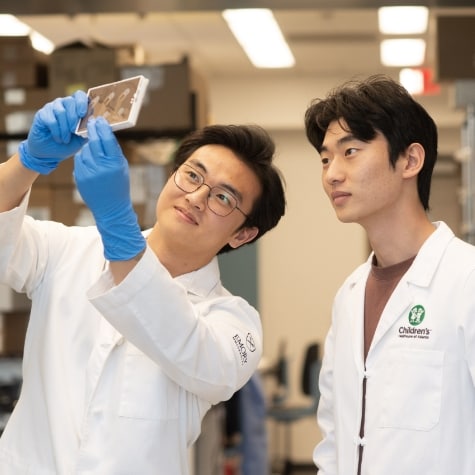
Emory University, Our Primary Research and Academic Partner
Children’s and Emory University School of Medicine partner together on clinical trials, residencies and fellowships. More than 500 physicians hold titles at both institutions. Our research program has ranked in the top five nationally for National Institutes of Health (NIH) funding for a decade.
Learn About Emory
National Honors from U.S. News & World Report
Children’s ranks among the nation’s top pediatric hospitals on the U.S. News & World Report list of “Best Children’s Hospitals.” The report ranks hospitals for excellence in outcomes, program structure and national reputation in 11 pediatric specialty areas.
Our Awards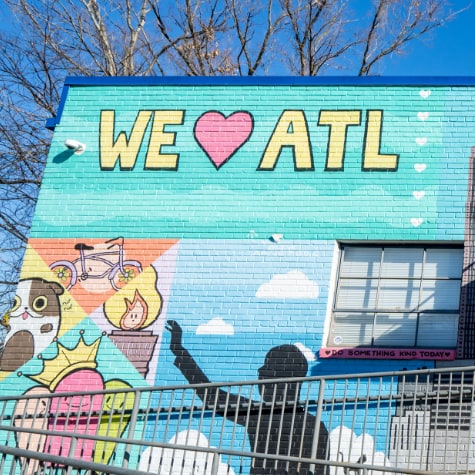
Why Atlanta?
In addition to our unique neighboring pediatric partners, Atlanta is full of diverse communities, walkable neighborhoods, a thriving arts and culture scene, and plenty of green spaces and sunny weather—it’s pretty easy to fall in love with our charming city.
Make Atlanta Home- Beatrice Gee, MD, Program Director
- Jason Payne, MD


Why Children's?
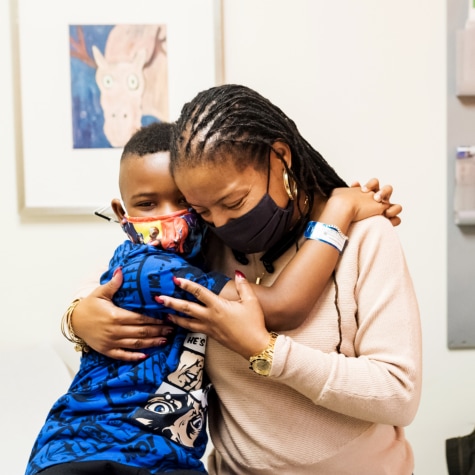
We manage one million patient visits annually at three hospitals, Marcus Autism Center, the Center for Advanced Pediatrics, Urgent Care Centers and neighborhood locations.
Learn moreThe program is comprised of at least 70% clinical rotations and up to 30% research. Clinical rotations will include sickle cell disease clinics, transformative therapies, transfusion medicine, community-based practice and inpatient hematology service. Research will include one specific project. Other details about program curriculum, including educational objectives, learning activities, assessment methods and level of supervision are provided below.
Fellows will spend two weeks at Hughes Spalding and Columbus clinics, conducting newborn screening follow-up, interacting with community organizations and participating in Sickle Cell Disease Education Day in September.
Fellows will spend nine weeks completing inpatient hematology service.
Fellows will participate in sickle cell disease clinics two days per week for nine months (excluding inpatient service and BMT months). This will include one continuity clinic day and one specialty clinic per week, including age-based (0-12 years old), teen, pulmonary, GI, neurology or an adult sickle cell disease clinic at Grady Hospital. Fellows will be expected to order required surveillance and follow up on all results and will be the first point person for calls or questions from sickle cell disease nurses and APPs during their continuity clinic day.
Fellows will spend one month with the cellular and gene therapy team including two weeks of inpatient service and two weeks in clinic seeing new consults, post-transplant patients in the BMT Survivor Clinic, the Sickle Cell Disease Survivor Clinic and the Fertility Preservation Program.
Fellows will spend two weeks with Transfusion Medicine, Apheresis Teams and at the Infusion Center.
Over the duration of the program, fellows will develop a concept, complete regulatory documents, conduct data collection and data analysis and present findings at a seminar or conference via an abstract and/or draft manuscript. This will include weekly meetings with a primary mentor assigned based on interest area and monthly meetings with the program director.
- Understand the epidemiology, presentation, treatment and prevention of medical complications of sickle cell disease, including newborn screening follow-up.
- Understand psychological and neurocognitive effects experienced by children and adolescents with sickle cell disease and how they may affect education, quality of life and emotional well-being.
- Understand mechanisms of action, effectiveness and toxicities of current and experimental disease-modifying and transformative therapies for sickle cell disease.
- Understand the evidence-based practice of sickle cell disease care and the role of national specialty groups (NIH, ASH, National Alliance of Sickle Cell Centers) in developing and implementing guidelines.
- Understand the role of community-based organizations and advocacy groups in supporting people with sickle cell disease and their families.
- Develop proficiency in family-centered, inter-disciplinary sickle cell disease management, including preventive practices; disease-modifying therapies; nutrition and lifestyle recommendations; promoting coping, educational attainment, transition from pediatric to adult care, and good mental health.
- Develop proficiency in managing sickle cell pain in inpatient and outpatient settings, including multi-modal pharmacologic and non-pharmacologic therapies.
- Develop proficiency in acute and chronic transfusion management of sickle cell disease complications.
- Learn the process of clinical and/or translational research, including:
- Concept/study design
- Data collection instruments
- Protocol development
- Regulatory document processing
- Subject recruitment and enrollment
- Data collection
- Data analysis
- Abstract preparation/submission/presentation
- Manuscript preparation and submission
- Grant writing
Didactics and/or shadowing, rotating topics by members of the sickle cell disease faculty
- Hemoglobin electrophoresis interpretation – Amy Tang, MD; Neha Desai, DO
- Neuropsychology – Billy Holcombe, PhD; Maria McDaniel, PsyD
- Psychology – Elizabeth Thompson, PsyD; Justin Williams, PhD
- Pain management/Palliative Care/Integrative Health – Beatrice Gee, MD; Katharine Brock, MD; Kenneth Busby, DO
- Endocrinology, fertility preservation, reproductive health – Lillian Meacham, MD
- Outcomes research – Beatrice Gee, MD; Marianne Yee, MD
- With Sickle Cell Disease Health Services and Outcomes Research Program staff who are designing, executing and analyzing clinical outcomes research
Attend case conferences and participate in treatment discussions.
Fellows will present one clinical topic at the Sickle Cell Disease Clinical Consortium and present at the ARC/AiR Conference, Aflac Fellow Research retreats, DOP Early Career Research Day and general hematology journal club. Fellows will also teach core hematology topics academic days.
- Global evaluation completed by the faculty monthly after each rotation. These are reviewed with the fellow during their quarterly meeting with the program director.
- Twice-yearly 360-degree or multi-source evaluations from multiple members of the interdisciplinary team.
- Detailed medical record review, such as a chart simulated recall, where the attending will review and discuss with the fellow what was written and get further insight on the impression, plan, studies performed and actions, based on study results.
- All conference presentations will be assessed by those in attendance (including fellows and faculty) and written feedback provided to the fellow.
The sickle cell disease fellow works under the direct supervision of a faculty member during outpatient care. During inpatient rotations, hematology/oncology fellowship-trained physicians will practice semi-autonomously as acting hematology attending in collaboration with a more senior faculty member. If the fellow is not trained in hematology/oncology, they will work under the direct supervision of a faculty member.
Applicants must have completed their residency training in pediatrics, internal medicine or family medicine and shown a strong interest in pediatric hematology/oncology. Preference will be given to applicants who have completed a fellowship in pediatric or adult hematology/oncology. Applicants are strongly encouraged to have a research question in mind including a hypothesis, study aims and specifics of the study population at the time of application.
A complete application will include a curriculum vitae, a personal statement and three references. One reference should be from a pediatric hematology/oncology fellowship program director. If applicants have not completed a hematology/oncology fellowship, one recommendation should come from a hematologist. Please send these documents to Chini Sheth, Program Coordinator, at AflacSCDFellowship@emory.edu.
Chini Sheth, Program Coordinator
Contact Us Chini Sheth