Season 2: Episode 1
Hope and Will: A Parenting Podcast from Children's Healthcare of Atlanta
Unpacking Food Allergies at School and Beyond
With the start of a new school year comes a new wave of communications about nut-free schools and classrooms. For those unaffected by food allergies, such communications can invoke feelings of frustration, as parents scramble to find alternatives to PB&J and other go-to lunch staples that contain nuts. For families affected by food allergies, every morning drop off is still laced with anxiety: Will today be the day my child goes into anaphylactic shock without me to help protect them?
In this episode, we’re joined by Susan Goldberg, whose daughter Julia has life-threatening food allergies, as well as Dr. Brian Vickery, Chief of Allergy and Immunology, who leads our Food Allergy Program. Susan will share insight into what it’s like to live in fear of a single bite of a well-intentioned snack. Dr. Vickery, who’s played a pivotal role in Julia’s food allergy journey, will discuss the prevalence of food allergies, as well as exciting developments in the world of oral immunotherapy and what they mean for kids like Julia. We’ll close with insight from Katherine Shary, a dietitian from our Strong4Life team, who offers tips for packing snacks and lunches when nuts aren’t an option.
Listen to this episode on your preferred podcast platform: Apple Podcasts, Spotify or Amazon Music.




[VOICEOVER INTRO]
You're busy and you want the best for your kids. We're here to help. This is Hope and Will, a parenting podcast from Children's Healthcare of Atlanta.
[Host] Lynn Smith: With the start of a new school year comes a new wave of communications about nut-free schools and classrooms. For those unaffected by food allergies, such communications can evoke feelings of frustration as parents scramble to find alternatives to PB&J and other popular lunchbox items that contain nuts. But for families affected by food allergies, every morning drop off is riddled with anxiety. Will today be the day my child goes into anaphylactic shock without me there to protect them? In this episode, we're joined by Susan Goldberg, whose daughter Julia suffers from life threatening food allergies, as well as Dr. Brian Vickery, Chief of Allergy and Immunology at Children's, who leads the Children's Food Allergy Program.
Susan will share insight into what it's like to live in fear that a single bite of a well intentioned snack could mean the difference between life and death. Dr. Vickery, who's played a pivotal role in Julia's food allergy journey, will discuss the prevalence of food allergies, as well as exciting developments in the world of oral immunotherapy and what they mean for the future of people with food allergies. We'll close with insight from Katherine Shary, a dietician from the Children's Strong4Life team who offers tips for packing, snacks and lunches when nuts aren't an option.
It's my pleasure to welcome Susan Goldberg and Dr. Brian Vickery to the show. Thank you so much both for being here, Susan. This is such an important topic. I have friends that are dealing with this directly. We had a scare when my kids were younger. You were not a first-time parent when you went on this allergy journey, right? You had a firstborn, Caitlin, that had made it through infancy and toddlerhood without any hiccups. Before your girls were born, I'm told that you were aware of some family history with food allergies on either side of the family. Is that right?
Susan Goldberg: Yeah, exactly. My older sister grew up with pretty severe lifelong food allergies. I had lived the life of seeing what that looked like up close. My husband had a severe milk allergy that he was able to outgrow.
Lynn Smith: Dr. Vickery, is family history of allergies something that leads to what we're going to learn a little bit more about Susan's daughter?
Dr. Vickery: Absolutely. We have long known and understood that allergic diseases, in general, tend to cluster in families. While they're not inherited in a one-to-one fashion, the tendency to be allergic is commonly shared amongst members of the same family. Somebody might have eczema, another person might have asthma, a third person might have a food allergy or a drug allergy. That implies that there are some genetics involved, although the genetics are not at all straightforward, and it's something we're still trying to understand.
Lynn Smith: Susan, what's interesting is no one was affected in the way that Julia was. She’s your second born and was six months old when you discovered that this was not only a dangerous allergy, but a life-threatening allergy. Tell me what happened on that family vacation when everything was turned upside down.
Susan Goldberg: I had an older kid, like you mentioned, and we decided to away shortly before I was returning from maternity leave. We wanted to just have time to relax and to celebrate, so we went away. My older daughter, whom I'd been extremely careful and nervous about having a propensity for food allergy, hadn’t had any issues. She was almost 5. With that, I decided to try to relax as a stressed out mom of a young child and an older child and said, “Let me give her some of the baby food that they had at the resort.” It noted that it contained a trace amount of eggs, but nothing else that she wasn't already exposed to because we had started introducing fruits and vegetables. I gave her some of it. She didn't react very well, and I didn't really realize that that was the cause. She had started crying a lot. She was itchy, red splots all over—not really eczema flare, but more in the hives realm. I didn't know hives very well back then. It just went away within 15 minutes or so. I'd been so nervous but realized I was overreacting. No big deal.
The next day (looking back was not a smart idea) I gave her the same food again, and the reaction was similar. She was itchy and crying. I knew in the back of my head, something really wasn't right here. I really kind of stayed up most nights thinking and worrying and decided that when I got back home, we would set up an appointment with an allergist to get her tested.
Lynn Smith: And you did. The results were shocking. Tell me what happened in that appointment. I should mention that this early part of your food allergy journey took place when you were living in New Jersey before you moved to Atlanta, met Dr. Vickery, and became a part of the food allergy program at Children’s.
Susan Goldberg: That appointment was pretty horrible. I will never forget that day. After our vacation I had given Julia a little bit of cow's milk yogurt right before she was supposed to have a nap. She just puffed up, and it was scary. It was, to use a terrible word as a mom, grotesque. Her eyes, everything was swelling up—her body, her arms, her legs. It was terrible. I then knew something was wrong. I linked it in my head to being eggs and milk. Maybe she had an allergy.
Went to that allergist appointment. It was just Julia and me. They interviewed us a little bit and then decided to give her the panels on her back. That's where they stick the various serums in the back of the child to see what the skin reaction might look like in indicating an allergy. You could imagine an infant does not like 20 pin pricks in her back. She was crying and screaming. You have to sit there and wait and just see what develops. I noticed things were developing on her back, but I really had no context for what that means. My brain was just wanting to say, “Ookay, this is probably normal. She has sensitive skin.” Then the nurse came in to check on us. She looked at her back and made a startling motion, sort of got a little teary in her eye. I snapped into action. I was like, “Something’s wrong. What's going on?” I started to panic.
When the doctor came in, he said she's got allergies to everything—eggs, soy, dairy, every nut, every tree nut, all sorts of seeds, shellfish, even mustard and tomatoes. There was this swelling on the back that was as big as a quarter. Peanuts were the worst. That's the one he showed me last. He pointed to that one and said, “That's peanuts.” I asked if this would go away, and his answer was, “Maybe some of it, but probably not peanuts. That's the worst one.” He indicated it was a fairly lethal type of allergy that she had. I had a million thoughts swirling in my head, and I didn't have the ability to voice them. I don't know what I did or said. I can't even remember. But I do know that he said since I was nursing Julia at the time, I had to take all of her allergens out of my diet because that was most likely causing her distress, whether that's through eczema or other ways.
It was a very dark, dark time after that diagnosis. I knew to be protective and safe for Julia, I had to get all the food out of the house. She was little. My older daughter was closer to 5, but still little, and my husband didn't have experience with food allergy in the way I had with my older sister. Everything she was allergic to couldn't be in the house because it was too risky. That didn't go over well with anybody in the house, especially my daughter. She wanted peanut butter and jelly for lunch. She wanted to drink regular milk. My husband was very supportive, but I was so stressed out about just this whole family dynamic now. Little Julia, who was such a sweet baby, had no idea what's going on but was suddenly was a villain. It felt like I was alone and I had to defend Julia.
Lynn Smith: I know that you sort of made a promise to her at that time. Tell me about that.
Susan Goldberg: I can remember this part of the visit at that allergist. I just sat there crying. I didn't really know what else to do. I was alone. They let us pack up and bring her home. I was just crying. I sat there, and I rocked her. I told her, “Julia, I'm going to do whatever it takes to take care of you.” As a mother, it’s what we work for—you have to protect them from pretty much everything when you have that kind of allergy. You want to protect them in that bubble, but you don't necessarily feel like you can.
Lynn Smith: I can imagine. Dr. Vickery, when you hear Susan describe this, how common is something like this?
Dr. Vickery: Unfortunately, this kind of impactful story is one we hear all too often. This is something that we all as parents can identify with—what it must be like to be confronted with the news of a potentially chronic, life-threatening type of illness and what that would feel like if we were in Susan's position.
You know, 8% of kids in the U. S. have food allergies. That's one in 13. If you think about your typical elementary school classroom, there's going to be two kids in every classroom that have a food allergy. I've heard families say that if you're a food allergy parent, you worry about all the things that parents worry about. We worry about who's gonna break their heart with their first romantic relationship. How safe is the school, really? Getting in a car and operating a car, but we also have to worry about crumbs. We have to worry about things that nobody else notices, and we never get a day off.
Lynn Smith: You know, Susan, I've lived that experience of being in an allergy office. We had a scare with my firstborn. It was a terrible reality when you're faced with how many things in your life might have to change. One of them is learning how to use an epinephrine injector and making sure you have one available at all times, no matter where you are. Tell me about that with Julia.
Susan Goldberg: There was a time my husband was away with my older daughter, and I thought it would be a treat to take Julia out to the diner for dinner. I realized after it was too late that what I thought was a seedless roll that she had taken a bite of had some sesame seeds at the bottom. I estimated she maybe had had two or three sesame seeds at most. She seemed fine. I was very cautious and worried, but it seemed okay. We were walking back to our apartment, and I looked down because something didn't feel right. She was holding my hand and she looks up and, and says, “Mommy, I can't breathe.” I didn't know what to do. Your brain is shot at that moment, but you have to make a decision. I thought first, “Should I call my husband?” He was too far away and there was nothing to do.
We were in the middle of the street when she looked up saying she couldn't breathe and I crossed the street. I saw some people in the distance, and I thought maybe they could help me. I was shouting. I was looking for them to come, but they didn't hear. I knew that time was slipping away, and I just had to lie her down and say, “I’ve got to pull your pants down.” I had to do an EpiPen, and I was shaking. I couldn't believe it was happening. I didn't want it to be true. More than anything else, I didn't want her to have to need it, but I knew she did. My hands were really shaking, and it was hard to count to 10. She's crying, and you have to hold her down with your whole body to make sure she's not moving because they're not very happy at that time. They're screaming. They're scared. They don't know what's going on. They don't want to be lying on a cold sidewalk having this happen in public. I injected it, and things got better. It's terrifying, and you're alone. You don't know what the right answer is, and there's nobody there to tell you you're doing it the right way or you're not doing it the right way. I have a second EpiPen. Do I need to do that too? It's really scary, and I've been trained on it. I watched videos on it. You think you're going to be okay in that moment, but It's just really terrifying.
Lynn Smith: I can only imagine. I need to share the disclaimer that listeners should speak to their doctors about how to use an epinephrine injector and what to do when it becomes necessary to use one. Susan, you experience that fear every time you go on a Halloween parade, a play date, first day of school. Tell me how you handle those situations.
Susan Goldberg: Yeah, and that's the scary thing, right? I had an older daughter in preschool and then heading to kindergarten. You know what it's like to live with a kid who doesn't have a food allergy and all the busyness of school sports and birthday parties and doing lots of things and Halloween. Where we lived, there was a street that had a big Halloween party every year. The kids are all running around, and you have a 2 year old who just wants to run around and be just like her older sister. The older sister doesn't want to be slowed down. You now have little Julia who's deathly allergic, and any one of those things that slipped into her mouth could be a catastrophe. It feels like you're going to mess up, and you're in a minefield.
Lynn Smith: But now you do, and that's because of that clinical trial you mentioned, oral immunotherapy. In the allergy world, it's known as ... OIT. Dr. Vickery, what exactly is this immunotherapy and how is it giving hope to families like Susan and Julia that they can go out there and be in this world and not be terrified of a situation?
Dr. Vickery: We'll talk about OIT. Before I answer I do want to point out that you've heard this very powerful, first-person testimonial from Susan and her family about what food allergies mean. If you look into the medical literature, you'll see published evidence that this is true across the population. We know, using validated instruments, that families really struggle with mental health burdens related to food allergy, which can, in some cases, lead to anxiety and depression. But beyond that, even just the lack of normalcy—the missing out on the everyday things that all of us take for granted—and the toll that takes, cumulatively. Thanks, Susan, for sharing your story so that listeners understand this is broadly experienced by most families to one degree or another that have a kid with food allergies. If you know somebody like that, show some compassion, right? This is not a choice. Nobody would choose to have this. It's a tough thing and it impacts just about everybody.
One of the big impacts over time has been that we haven't been able to offer people much of anything. I think you've heard that from Susan. Here's your epinephrine injector. Be careful. Come back next year. That was pretty much the standard of care. Allergic reactions send a child to the Emergency room in the U. S. approximately every three minutes. It's not a simple solution to say, “Oh, just avoid it.” It's very difficult to do that. What we've been working on in research over the last 10 or 15 years are ways to protect people from that vulnerability. Obviously, our overall goal is to cure food allergy. Reverse it. Make it go away so that people are past it and don't have to worry about it anymore. We're not quite secure, yet. We're working in that direction, but what we've learned over the last 10 or 15 years is that we can now go beyond avoidance in some patients and begin to gradually expose them to tiny traces of their allergen or allergens at first. Gradually over time, as they tolerate it, increase the dose slowly and under supervision. This is a very careful procedure that should only be performed by allergists who are trained to do it. Over time, what this does is causes a change in the immune system, literally changes the biology of food allergy. Clinically, it makes the patient less sensitive. Again, it's not a cure, but this type of treatment is there in the background protecting them from the inevitable accident that will occur. This change in sensitivity we call desensitization. That's the goal of OIT.
Lynn Smith: What did it look for you, Susan, for Julia to go through OIT and how has it impacted these severe allergies and which ones?
Susan Goldberg: I don't even know where to begin on how to explain the transformation. You know, looking back about 10 years ago, it was just, as he said, “Go home. Avoid these foods. Come back next year.” No reason to think it would ever get better. Julia had really severe eczema on top of her food allergies to the point that it was delaying her development. We got on a list for a number of different clinical trials, but there were thousands of kids on the list. The newspaper articles would talk about how impossible it is to get into these clinical trials. Then one day, the phone rang saying, “We think your daughter could be eligible for trial. Would you be willing to try it?” Of course, the answer was yes.
You have to essentially try out and audition your child, which involves them eating the food you know is going to potentially kill them and certainly send them into anaphylaxis. We went through those processes and those were extraordinarily stressful days. Julia did have severe anaphylaxis responses to peanuts on those days when she had them. I had to think at that time, “Does it make sense to continue with this trial because I'm now supposed to be feeding my kids something every single day for years through the form of peanut flour mixed into applesauce that could potentially kill her or put her into anaphylaxis every single day.” Is that something I really wanted to undertake? To me, the answer was unequivocally, hands down, yes. That to me was the only option and the only possible way to see a solution.
We put our fears to the side and trusted the process and trusted the superb doctors that were all involved. It starts with a very trace amount of peanut flour that you can barely see in your hand mixed into applesauce or other things like pudding, depending on what your child can tolerate. You just build it up, every two weeks or so there is a buildup phase where they continue to increase the dose. It's just a routine like any medicine that you would give to your kid if they had anything, diabetes, cancer or any other illness. We did that for years and years.
Lynn Smith: It really is groundbreaking research. Dr. Vickery, you and your team personally worked on this, and to get into the world of OIT and have the kind of hope that now Susan has for Julia. There's another research that you are particularly proud of. Can you tell us about that, and how it's also influencing patients?
Dr. Vickery: Because of families like the Goldbergs and many others around the country and now around the world who have really courageously volunteered to participate in these studies, we now have the first FDA-approved treatment option for any food allergy. It's a lot to think about how to participate in a clinical trial and undergo these food challenges and the dosing and all the blood draws and all the other things that happened during research when you might be getting a placebo. But without that, without people participating in research, we don't advance. In 2020, it was a milestone event to have the first product approved by the FDA for the treatment of any food allergy. Susan described Julia’s trial. She was in a prototype of this approach, this kind of peanut flour procedure, which was developed further so that it could be made more widely available and standardized—something you could get from a pharmacy because it takes some effort to produce. There are some advantages for distribution and for reimbursement to make it more widely available to everyone, not just people who live near one of these handfuls of centers that do this kind of thing.
That's what Palforzia is intended to do. It is a medication that's FDA approved for the treatment of peanut allergy in children ages 4 to 17 now and is something that we are able to offer in our clinic here at Children's and at many other clinics around the country. This is designed to be used by any allergist. While it starts to chip away at the problem for some kids in that age group with peanut allergies, obviously there are kids outside that age group, there are kids allergic to other foods for which Palforzia is not an option, but it cracks the door open that says, “There is a pathway to get a product through research through FDA approval and to the clinic for all kinds of other allergies for all kinds of other patients.” This conversation will continue to evolve quickly over the next five to 10 years.
Lynn Smith: Before you just could say, “Hey, be careful. That's not realistic.” There wasn't really any hope. This is a huge transformation, a huge milestone. It all happened right there in the food allergy program at Children's. Can you tell us about your role of Chief Allergy and Immunology and your work with the program?
Dr. Vickery: I grew up in Atlanta, went to school in Georgia and then left the state to do my training and then was fortunate to land a faculty position first at Duke University in North Carolina. I had the opportunity to work with a world leader in this field who became my mentor and who was intimately involved in the research that Susan was describing earlier back in the mid 2000s.
I got the opportunity to come back home to Children's to launch a food allergy program here in 2018. We’ve been at it for about five years and we've been really busy, despite the pandemic. I also run a research program here at Children's that's focused on food allergy and primarily these clinical trials to develop new treatments. We have nine active clinical trials. We have several others starting before the end of 2023, and we're in discussions for future projects beyond. We have a very busy research program where we're actively enrolling clinical trials for food allergy and now other conditions—eczema, asthma. We're working on approaches to prevent allergies by treating infants before their allergies have developed. We have a big and active research program.
The other part of my responsibility is to help manage the clinic and make sure that the patients that need these treatments have access to them, which is a big challenge because Children's is a big place. Atlanta is a big city. There are lots of wonderful allergists out in the community, but the size of the problem is so big that it's difficult to see all the patients that need care. We're focused on trying to improve access to treatment, to scale the organization to an extent. If we work to develop new treatments and try to change the landscape of food allergy, but then the people that need them don't have access to them. That hasn't helped, right? The scale of the problem is so big.
Lynn Smith: You said it right there. It hits you over the head to realize how many families are affected in the way that Susan's family is affected, but I hear a lot from friends, other parents, and they say things like, “With young kids, we grew up in the 80s and 90s, they didn't have food allergies like this. What do you think is the cause of these food allergies? When do children develop them?” Did something change over the last three decades, four decades, that has resulted in an increase in some of the food allergies?
Dr. Vickery: It's a great question, and one I get all the time when people find out what I do for a living. We all have that sort of experience that this didn't seem like it was a problem when we were kids. There are probably numerous environmental conditions that are causing chronic inflammation over time. That inflammation in those susceptible people looks like allergic inflammation. In people with other backgrounds, it would look like a different kind of inflammation, but it has to do with sort of the changes in modern life that have developed over the last few decades. In fact, allergies are much more common than they used to be, that's a true thing. It relates to a number of environmental things that are happening that are different than the generations that came before us—our parents’ generation or their parents’ generation. They probably all combine to some degree in these susceptible people to drive this inflammation.
One of the key things to emphasize is we don't really understand the complete story, the complete origin, and these are things that are kind of ubiquitous. Somebody didn't mess up if their child has allergies. It's not that they made a bad decision or did something wrong. This is happening across the population. We don't quite understand it, yet. We're starting to put some of the pieces of the puzzle together, but it's a complex effect that's driven by these environmental changes that are just different now than they were, you know, say 30, 40, 50 years ago.
Lynn Smith: Susan, I want to get your take on this. There are so many families that are going through what you are going through. What advice do you have for them because there are conversations that need to be had with teachers, camp counselors, caretakers, families that they're going on play dates with, how would you advise some of the people that are just starting out in this journey?
Susan Goldberg: Tough question. I have a lot of thoughts here. A lot of times when I talk to families that are dealing with a newer diagnosis, there's a lot of fear. I think what tends to be problematic can be when people aren't aligned in the household. You may have one parent saying, “We'll just see if she outgrows it.” You may have another parent that says, “I want to undertake this approach, clinical trial or Palforzia.” If you're not all on the same page, it can be hard and it's very stressful. It's a lot of work. It requires a lot of discipline and compliance, but if you do it and you adhere to it, it's going to change your kid's life.
One other thing that really made a huge difference for us was that we’re a two-parent working family. To get to clinical trials was very hard, just to not miss work. The cost of it was hard, but I really relied on a huge network of people that loved my daughter and loved me—my parents, my in-laws, everyone was really involved in the whole process and people want to help.
Lynn Smith: That speaks to many of us who are lucky enough to not have to go through this. It's that piece of compassion that Dr. Vickery mentioned, understanding that this is not a choice for other families and being so much more diligent than just, “Oh, there's a child in the classroom that has an allergy. That's not a big deal. I'll send him whatever.” You have to be so very careful as if it's your own family. That's a really big takeaway. Dr. Vickery, I want to wrap things up with you because I think many people listening right now and hearing Susan's story, identifying with it, might want to say, “I want to give this a chance and have that hope for myself and my children. What are the next steps for those that may want to participate in the same kind of trials?
Dr. Vickery: We've built a website, choa.org/foodallergy. We try to keep it updated with all the latest and greatest about what the clinic does, as well as a click through to our research offerings so that people can go and learn about the clinical trials that we're offering and the ones that are coming. You don't have to participate in research to be a member of the clinic and vice versa. If you're a member of the clinic, there's no expectation that you will participate in research, but I see them increasingly as sort of an ecosystem. By learning from patients and their needs, we ask better research questions and then research obviously drives better clinical care. We're trying to build a system at Children's that does both.
We're five years in, and this will keep me busy for the next 20 years. There's lots still yet to do, but I think we're off to a good start. We appreciate the opportunity to share this information with the listeners. Thank you, Susan, for being vulnerable and sharing her family's story so that hopefully people can get a better sense of really what it's like to have a food allergy.
Lynn Smith: I completely agree. Dr. Vickery, thank you for the important work that you're doing, giving families like Susan the hope that they never had before. And Susan, as Dr. Vickery said, being able to open up and share your story, I can't imagine is easy, but to be able to reach the audience and influence even just one person, it's kind of like the promise that you made to Julia when you first got the diagnosis, that you will make sure that she's okay and make sure this is right. You've done that. I thank you both.
Susan Goldberg: Thanks to Dr. Vickery. I don't know how to put in words how our family's life has changed from what the world looked like 10 years ago to now. Everything has changed and things are okay now and somewhat normal—as normal as they can be. We're just so grateful and words can never express that gratitude.
Lynn Smith: Before we wrap up, I'm excited to welcome Katherine Shary from our Strong4Life team. She was one of our first guests on our first season. She shared some incredible tips for navigating mealtime and snack time. I'm excited to have her back to help parents pack these snacks and lunches their kids will eat that also offer good and balanced nut free nutrition. Katherine, thanks again for being back. What can parents pack for lunch because the go-to is peanut butter and jelly, and without that, that's sometimes what only kids will eat what's your advice there?
Katherine Shary: We don't actually have to stop packing peanut butter and jelly. We just have to switch out the peanut butter. A great, safe alternative is sunflower seed butter. It's a much more rare allergy than peanut butter. And sunflower seed butter is already being used in schools and early childhood centers as a safe alternative. It tastes great. It has similar protein content to peanut butter. So really, it's a win-win.
Lynn Smith: You really made a key point here, protein. I do this a lot with my kids. It's so important to get that protein in there and they do love the taste of peanut butter. What are some other ways that parents can add protein to their kid's lunch box so that they stay full throughout the day?
Katherine Shary: Protein is important, of course, but actually anything with nutrition, there's more to it. You want to look at all of the food in the lunchbox. Make sure that there is some protein in there but ensure that there are other filling components such as fiber, some fat, those all combined together are going to help keep our kids satisfied and get them through the school day.
Some things that we can think about to pack in a child's lunch that are going to be satisfying for them are switching out that white bread or tortilla or pasta that we might pack for the whole wheat version so it's more filling and has fiber in it. Another great alternative to get some fiber is to leave out the fruit juice and pack water instead. Let your child choose the fruit that they want. It can be fresh, it could be canned, but that's going to contain the fiber in it. If they get to choose it, they might be more willing to eat it, too.
Lynn Smith: What would you say about meat in particular? Kids that don't like meat, or maybe they're vegetarian, how can they get their protein?
Katherine Shary: There are lots of other options and ways that you can get protein in that are plant based that don't involve meat. Yogurt, cheese and beans are great options. Buying a thermos and pack some veggie soups that have beans in them for your child. There are plenty of options. And of course, what I mentioned earlier, sun butter. Use that sun butter on crackers, with bananas, in the sandwiches. There are lots of ways that we can add protein that aren't Meat.
Lynn Smith: Do you have some ideas for some nut-free snacks?
Katherine Shary When we're choosing a snack, make sure that it has a couple different food components to it. We could do things like edamame for some fat in there and some popcorn and a piece of fruit on the side. We could choose some hummus to dip some veggies in, as well. Beans are a great alternative. Bean and cheese wraps. Greek yogurt is high in protein and it lets the kid get creative. Let them choose their fruit to go in it. Let them choose a crunchy topping for it. All of those are going to be nut free options.
If you’re looking for lunches that are filling, satisfying and are nut free, check out our website at Strong4Life.com, which will be linked on this episode. There will be lunch ideas. There will be snack ideas that are all filling nut free.
Lynn Smith: To learn more about the strategies and tips discussed today, visit choa.org podcasts. We’re going to link to a ton of great content about OIT and other allergy resources from Dr. Vickery and his team. We'll also link to helpful resources from Strong4Life that offer school friendly lunch and snack ideas. And to make sure you do not miss an episode, be sure to subscribe or follow Hope and Will wherever you stream your podcasts.
I'm Lynn Smith and this has been Hope and Will, a parenting podcast from Children's Healthcare of Atlanta.
[VOICEOVER OUTRO]
This podcast is for general informational and educational purposes only. It is not to be considered medical advice for any particular patient. Clinicians must rely on their own informed clinical judgments when making recommendations for their patients. Patients in need of medical or behavioral advice should consult their family healthcare providers.
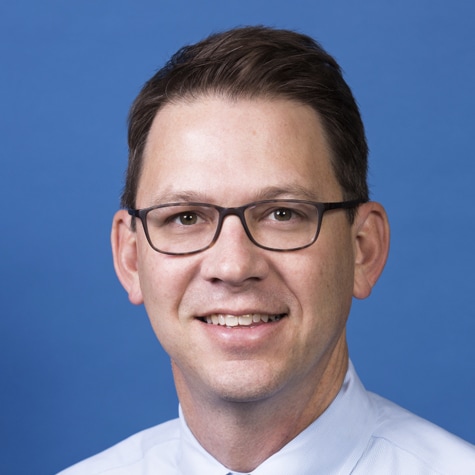
Dr. Brian Vickery, Chief of Allergy and Immunology
Dr. Vickery is a national leader in pediatric food allergies. He leads our Food Allergy Program in performing impactful research and delivering care that helps transform the lives of kids and teens affected by food allergies. At home, he’s the proud dad of a son in middle school and daughter in elementary school.
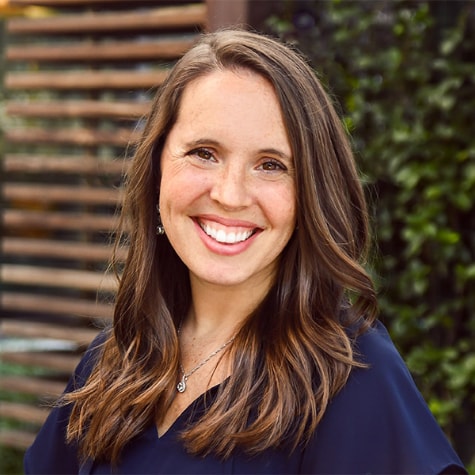
Katherine Shary, Registered and Licensed Dietitian
As part of our Strong4Life team, Katherine wears many hats: she coordinates training programs, oversees a certification program for dietitians and helps develop children’s books. At home, she’s Mom to a 4-year-old daughter and an infant son.
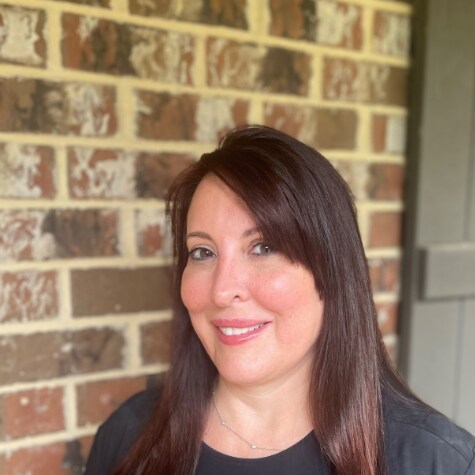
Susan Goldberg, Julia’s Mom
Susan and her husband, Dave, were on a family vacation when a few small bites of baby food sent her family on a journey that left them forever changed. Susan candidly shares her family’s experience with oral immunotherapy and the life-altering impact it’s made on her daughter, Julia.
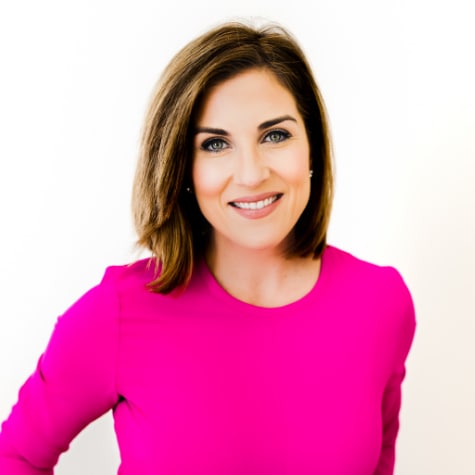
Lynn Smith
Lynn Smith is a veteran journalist, podcast host and mom of two boys. Her experience as the parent of a patient at Children’s inspired her to advocate for spreading awareness of childhood illnesses and injuries.