Norovirus Symptoms and Treatment for Kids
If your child comes down with norovirus or a similar stomach bug, their comfort and quick recovery become a priority. Learn what to expect and how to treat your child from our pediatricians.
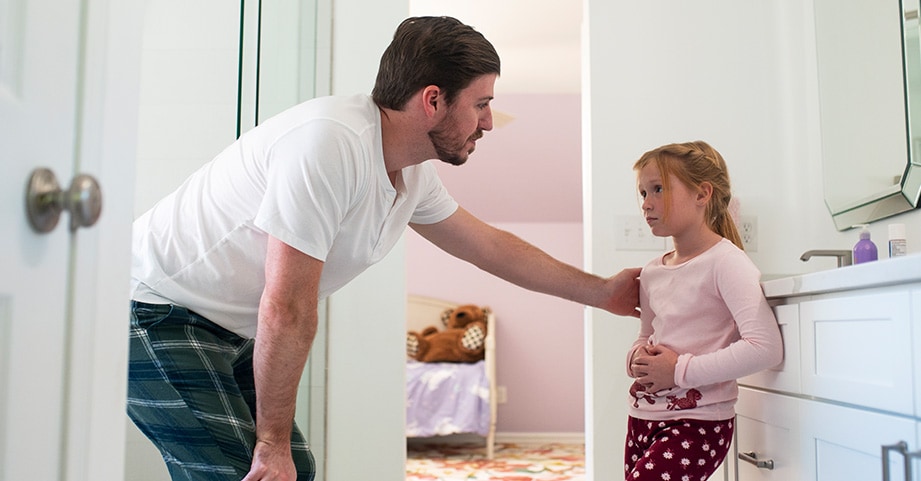
Norovirus is a highly contagious stomach virus that causes sudden, severe vomiting and diarrhea, which can lead to dehydration. It is most commonly spread through close contact with an infected person or contaminated surfaces, food and water. Janani Dakshinamoorthy, MD, and Renee Alli, MD, primary care pediatricians at Children’s Healthcare of Atlanta, helped us break down all the information you need to know to care for your child, and to help prevent the spread of norovirus.
If your child has been exposed to norovirus, they can start showing symptoms very suddenly—often within 24 to 48 hours after exposure. While sudden onset vomiting is the most common symptom, other symptoms of norovirus include:
- Diarrhea, or watery stool
- Fever
- Abdominal pain
- Muscle aches
- Fatigue
Hand washing is the best way to protect yourself and your child from norovirus and other contagious viral infections. “Norovirus is very resistant to standard alcohol-based hand sanitizers, so it is important to wash hands thoroughly with soap and water often,” explains Dr. Alli.
“It’s also a good idea to try to avoid touching your face with your hands,” adds Dr. Dakshinamoorthy. “If your child coughs, they should try to remember to cough into their elbow, but if they do cough into their hands, they should wash their hands right away.”
Since other children (or adults) may be carrying the virus, but are not symptomatic, washing hands with soap and water, especially in busy areas like school, summer camp and other public areas, is the safest and most effective way to help prevent getting or spreading norovirus.
If your child comes down with norovirus, symptoms, including severe vomiting, may come on very suddenly. Keep them comfortable at home and monitor their symptoms. Remember that norovirus is highly contagious, so if possible, wear a mask and wash your hands often while caring for your child.
Try to keep your child hydrated with clear fluids. Water and fluids with electrolytes, like Pedialyte, are great options. You can also try clear broth, but avoid or limit juice and soda intake. Juice and sodas contain natural and added sugars, which can make diarrhea symptoms worse.
Once vomiting subsides a bit and they can tolerate more fluids, you can try to introduce frequent, small amounts of bland foods, avoiding greasy, heavy or fatty meals.
Your pediatrician may prescribe a medication to help with the nausea, but Drs. Alli and Dakshinamoorthy warn against giving your child over-the-counter anti-diarrheal products like Pepto-Bismol (bismuth subsalicylate) or Immodium (loperamide).
“If you use these products to slow down the diarrhea, it gives the body more time to absorb whatever toxin is in there,” explains Dr. Dakshinamoorthy. “Your body is naturally trying to get rid of what is foreign. If absorbed into the bloodstream, it may create additional symptoms.”
Drs. Alli and Dakshinamoorthy also recommend washing any stuffed animals and extra linens or objects from your child’s bed to reduce the number of possibly contaminated surfaces and items. Like hand sanitizer, norovirus is also resistant to most antibacterial wipes, so keep surfaces clean with soap and water, or when necessary, with diluted bleach, and wash bed linens in hot water.
Try to keep a sick child quarantined or in a separate room or space away from any family members who have not been infected, to lessen the chance of spreading the virus or your child getting re-infected after recovering.
Should I take my child to a doctor, urgent care or emergency department?
If your child is not tolerating fluids, has a fever or other cause for concern, reach out to your primary care pediatrician for advice or to see if they recommend bringing your child to be seen. Your pediatrician may give them medication in-office, or send them home with a prescription to help with the nausea and vomiting.
You should seek emergency care if your child is not tolerating fluids, and is also experiencing symptoms including:
- Extreme sleepiness
- Dehydration (not making tears when they cry, dry lips, infrequent urination)
- Fast breathing
- High fever
How long does norovirus last?
Norovirus symptoms come on suddenly and can last for around two to three days. Diarrhea may last a little longer, but usually you will see overall improvement by day three of illness. Although symptoms may improve quickly, the virus may stay in your child’s system longer. Your child can shed the virus for two to four weeks after infection. Even though the virus is most contagious when your child is experiencing vomiting and diarrhea, it is still important to continue washing hands and surfaces well after symptoms go away.
If your child’s norovirus symptoms are worsening and they need urgent or emergency care, you want to make sure they have care that is tailored to their growing body. Children are not small adults. Unlike most hospitals, our pediatric Emergency Departments at Children’s have doctors and nurses who are board certified and specially trained in caring for children with urgent healthcare needs.
Our equipment and supplies, from arm slings to blood pressure cuffs, are designed specifically for kids of all sizes, and we know how to make you and your child as comfortable as possible during a difficult time.
For urgent care:
At our pediatric Urgent Care Centers, no appointment is necessary, and walk-ins are welcome. We’re open seven days a week, including evenings and holidays.
- Monday-Friday: 11 a.m. to 9 p.m.
- Saturday and Sunday: 9 a.m. to 7 p.m.
- Holidays: 9 a.m. to 7 p.m.
We offer holiday hours at the following Urgent Care Centers:
- Children’s at Chamblee-Brookhaven
- Children’s at Forsyth
- Children’s at Hudson Bridge
- Children’s at Satellite Boulevard
- Children’s at Town Center
For emergency care:
The Emergency Departments at Children’s Healthcare of Atlanta serve kids, teens and young adults from birth to age 21 and are open 24 hours a day, seven days a week. No appointments are necessary to bring your baby, child or teen in. At Children’s, we have three pediatric emergency and trauma care hospitals conveniently located throughout metro Atlanta:
- Children's Arthur M. Blank Hospital is located at the corner of I-85 and North Druid Hills in Brookhaven.
- Children's Hughes Spalding Hospital is centrally located in downtown Atlanta.
- Children's Scottish Rite Hospital is close to Interstate 285 and Georgia 400 in the Perimeter and Dunwoody area.
Keeping Your Kids Safe and Healthy

Janani Dakshinamoorthy, MD, is a Pediatrician at Snapfinger Woods Pediatrics. Dr. Dakshinamoorthy earned her medical degree from McGovern Medical School at UT Health Science Center in Houston, Texas. Following medical school, she completed her residency training at Emory University School of Medicine. She became a full-time physician at Snapfinger Woods Pediatrics following the completion of her residency in 2020.
Renee A. Alli, MD, is a Pediatrician at Children's Healthcare of Atlanta. Dr. Alli earned her medical degree from the University of South Florida College of Medicine in Tampa, Fla. Following medical school, she completed her residency training at Tulane University Medical Center in New Orleans. Dr. Alli has been a Children’s physician since 2016.
This content is general information and is not specific medical advice. Always consult with a doctor or healthcare provider if you have any questions or concerns about the health of a child. In case of an urgent concern or emergency, call 911 or go to the nearest emergency department right away. Some physicians and affiliated healthcare professionals on the Children’s Healthcare of Atlanta team are independent providers and are not our employees.