Season 4, Episode 2
Hope and Will: A Parenting Podcast from Children's Healthcare of Atlanta
What to Expect When Your Child Needs Surgery
When a doctor says your child needs surgery, it can feel overwhelming. Your mind races: Is it safe? Will my child need anesthesia? Will they be scared? In this episode, we pull back the curtain to the operating room to help you get a feel for what to expect if your child needs surgery.
The episode opens with Brittny, a proud mom of two. Brittny has ridden the pre-surgery emotional rollercoaster through three ear tube surgeries and one tonsillectomy and adenoidectomy. She shares the fears she had before each procedure and what it was like to be in the waiting room. We then pivot to Dr. Jill Wilson, a pediatric anesthesiologist. Dr. Wilson addresses concerns that keep parents up at night and shares fascinating insight into what it’s like to call a pediatric operating room her workday home.
The episode aims to leave parents feeling informed, reassured and mentally prepared for a child’s surgery, whether it’s one that has been planned for months or one that arises emergently due to illness or injury.




Katie Beasley: Hearing the words your child needs surgery can stop any parent in their tracks. Your mind races. Is it safe? Will my child need anesthesia? Will they be scared? Today we're pulling back the curtain to the operating room to help you get a feel for what to expect if your child needs surgery. We'll hear from two people who have spent considerable time on both sides of the operating room doors. We'll talk first with Brittny, a proud local mom of two. Brittny has ridden the pre-surgery emotional rollercoaster through three ear tube surgeries and one tonsillectomy and adenoidectomy. She will share the fears she had before each procedure and what it was like to be in the waiting room.
We'll then chat with Dr. Jill Wilson, a pediatric anesthesiologist who also serves as the Medical Director for the Meridian Mark Surgery Center here at Children's. Dr. Wilson addresses concerns that can keep parents up at night and shares fascinating insight into what it's like to call a pediatric operating room her home away from home. Our goal is to leave you feeling informed, reassured and mentally prepared for a child's surgery—whether it's one that's been planned for months or one that happens as an emergency due to illness or injury. While this may be one of the most stressful days of a parent's life for the team caring for your child, it's something they're trained to do day in and day out. It's my pleasure now to welcome Brittny and Dr. Jill Wilson to the show. Hi ladies. Welcome and thank you so much for joining us.
Brittny, I'd love to start with you here. You were a first-time mom in this situation. Many know all too well the valley of the back-to-back ear infections, loss of sleep, that helpless feeling. What was going on at home for you when you first heard that word surgery?
Brittny Galentine: It was a long road. We were living on antibiotics, in and out of urgent cares if the pediatrician was closed. You pick them up from daycare and the ears are hurting and then the fever begins—lots of back and forth like you said, the sleepless nights, the upset stomach. Once we were on the antibiotics, it seemed like we were repeating the same process. To be told it's another ear infection. You kind of got excited when it was just one side and not both. You knew what was coming. More antibiotics, more upset stomach, more not wanting to eat, and fussiness. When we finally got to the point that the surgery topic was breached, it was a mix of emotions. It was, “There's an ending in sight. Things are going to get better,” but then you knew there was a surgery component. That meant we're looking at going under. That's a lot to take in as a parent. You know that there's hope on the other side, but there's definitely an obstacle in the middle, and that's putting your child under for a procedure. They're not an adult. It's very different when it's your child.
Katie Beasley: Absolutely. It's natural to be nervous and scared in that moment. What helped you feel at ease and more confident about that decision for your son Holden to have surgery?
Brittny Galentine: We went in for a consult initially to make sure the specialist agreed. We were recommended from the pediatrician. You get to the specialist, and from the beginning, we were welcomed with smiles and welcome to Children's high fives. There were fist bumps. There were toys. There was bright, colorful scenery. But the topic is still there. We're there to discuss surgery. All of my questions were answered very thoroughly. I came with a lot of questions, but I felt relieved because there wasn't a question that was silly or off the table.
Katie Beasley: Being reassured like that, it means everything when you're going through something like this for the first time. Walk us through that first surgery day and the days kind of leading up to it. Talk about your nerves and mentally preparing for that day.
Brittny Galentine: I was anxious. I feel like every time that I would commit in my head then popped another question. Could something go wrong? Are they prepared? Holden was 6 months. We started this journey very early. Having all my questions answered was the biggest thing. There were follow up calls to make sure we felt confident in what was about to happen, what time we needed to arrive, make sure we don't feed him before we arrive. There were checklists that were sent home with us from that appointment. There's communication in the form of printed paperwork. There were text reminders and then, of course, the phone calls to follow up and make sure everything was in place leading up to the appointment.
Katie Beasley: What do you remember most about the morning of surgery?
Brittny Galentine: The morning of surgery, I just told myself, “I've had good communication. I know what's about to take place.” I knew exactly what was going to happen. When we walked in, we were greeted we went through checking his blood pressure and different vitals, weighing him, making sure that he was still meeting all the marks that he had just met in the pre-op appointment a week or so prior. They reminded me that I'd have the opportunity to go back as Holden falls off to sleep, as they use the anesthesia. I think the phrase that they used that stuck out to me, was that it was prescribed just for him, just his size, just what Holden needs. That was reassuring to me that everything is for his particular case. It's really built for him, not just a child getting ear tubes.
I went with one of the staff members back to the Operating Room, and I got to hold him. He laid down on a table. I reassured him that I'm right here, everything's going to be okay. They put the little mask over his face, and he kept looking up at me. I just told myself, “Hold it together. Hold it together. Everything's okay.” The staff were right there and they were like, “It's okay, Mom. You're doing great, Mom.” Then, he closed his little eyes and went to sleep. They said, “He'll be right back with you before you know it.”
We walked back through those doors. There was another person to greet me, to take me to the waiting area, and someone to discuss exactly what was happening at that point. It wasn't like, “Here's the waiting area. We'll see you in a little while.” They were telling me exactly what was taking place. They were checking on me every few minutes. It was great. There was no time where I wondered what was coming next.
Katie Beasley: I want to talk to Dr. Wilson in a few minutes about the ability to walk your child back to surgery. I know that's not available in every case, but what a relief to be able to do that and to ease those nerves. Was there anything about the entire process that surprised you, good or bad?
Brittny Galentine: I was surprised at the level of communication, in a good way. I expected somebody would walk me through how to get back there, and they would get me back to the waiting room where I was waiting with my husband. I didn't expect that constant communication throughout that half hour or so that I was in the waiting room. It was consistent. I wasn't forgotten about. I don't think that happens a lot in the adult world.
Katie Beasley: This wasn't your only run in with Surgical Services at Children's. Tell us about some of the other surgeries that came later in your parenting journey.
Brittny Galentine: We actually journeyed down the same avenue with Shelby, my daughter, 6 months, ear tubes, recurring ear infections, same process. We were living on antibiotics, but this time with Shelby, I felt more prepared to just go ahead and say, “At what point do we qualify?” Shelby was very little. She was born full term, very small, around 4 pounds. I told the pediatrician, “I want to go back to Children's, and I want them to take a look at Shelby. I want them to say ‘yes’ or ‘no’ at 6 months because if they agree that she can go through with this procedure, I know that it's going to make a difference in her life.” I brought them a child the size of a 2 month old that had a birthday of a 6 month old. They measured Shelby. They double checked with the anesthesia team. They double checked with the doctor.
I don't know how many times I probably asked the same question. “We have on record that she's much smaller and everybody's good with that. Right?” They said every person on this team is prepared for Shelby.
Katie Beasley: Talk about Holden when he was 2 and his next surgery.
Brittny Galentine: His next surgery led us to needing tonsils and adenoids removed. He had 13 strep positives in about a six-month time. I was convinced that the wind blew with strep and that child had it. We went down the avenue of, “Maybe he's a carrier. Maybe he just keeps strep. That's just Holden.” That was not the case. The local recommendation was 3 years old to get those tonsils and adenoids out. At this point, we hadn't even made it to Holden's second birthday. I thought we were going to have another while year of pediatrician visits and missed school, missed events. Antibiotics and living on antibiotics.
I asked, “I know we're trying to get to 3 years old. We haven't made it to 2 years old. Can I see what Children's thinks?” We got the referral from the pediatrician. They told us, “This is a special case and what we want to do is take care of Holden outside of just the boundary of an age. We think we could take care of this. We're going to do it a little bit different. We're going to bring him in and keep him and make sure the pain is controlled, but we feel like we can really take care of this.”
Katie Beasley: Did you feel more prepared this time for this surgery?
Brittny Galentine: I did. I don't want to say my guard was down, but it really was like my guard was so much further down than it had been when we went in for ear tubes. I knew that this was a much more invasive procedure. Again, they tailored it to Holden. Holden was younger and smaller, so instead of just having it the way that they would do for a 3 year old, they brought him into the hospital and they kept him for a little while and made sure that we were good to go after the procedure.
Katie Beasley: How are Shelby and Holden doing now?
Brittny Galentine: They're doing fantastic. They are into everything you can think of, sports-wise. They both swim. They're in pools. They are swimming, and it's just never been an issue. We're not missing school for an ear infection. It's fantastic.
Katie Beasley: And now, I am excited to bring you into the conversation, Dr. Wilson. Listening to Brittny talk, I can relate to her so much. My 10-year-old daughter had an adenoidectomy at Children's a couple of months ago. I can relate, and I remember the feeling very well of all of this. I want to give a shout out also to our pre-op nurse, Jeannie, and Kelsey with anesthesia because they not only calmed my nerves, but also my daughter's anxious 10-year-old nerves because we were talking about babies just a moment ago. At 10, you really know what's going on, and I think they treated her with such respect on her own and the whole team was just so kind and gentle and wonderful. I want to point that out first of all. We were lucky as a family that this was our first surgical event. We were especially nervous about anesthesia, which of course is your wheel. Can you tell us about your job as a pediatric anesthesiologist? What drew you to it to begin with?
Dr. Wilson: Thanks for having me, Katie. And Brittny, I loved hearing your stories. I'm a mom, too, and I have a daughter who's also had surgery. I'm coming at this from both sides. I love my job. I love pediatric anesthesiology. I first entered medical school with aspirations of being a pediatrician, but when I was exposed to the operating room, I fell in love with it. When I learned what it was to be an anesthesiologist, it was a match made in heaven for me to combine the pediatrics and the anesthesia. Here I am more than 25 years later.
Katie Beasley: It's very different, of course, in pediatrics?
Dr. Wilson: Absolutely. It's very different, and it requires extra training. Any pediatric anesthesiologist has likely added a minimum of a year to their training in order to understand the complexities of what that means to take care of a 6 month old, or a 10 year old, or a 16 year old, for that matter. These little ones are changing on the outside so rapidly, and they're changing on the inside It takes someone who understands every step and every developmental change to be able to adapt and to customize the anesthetic plan, or just the plan in general. What does it take to alleviate the anxiety in a 10 year old compared to a 3 year old or an 18 year old? And that's what we do. You're right, Katie. It's my wheelhouse. We do this every day and we're very, very good at what we do because we've taken the time to learn how to do it.
Katie Beasley: I think that's what helps Children’s stand out. Your child is guaranteed a pediatric-trained anesthesiologist.
Dr. Wilson: Indeed, we are. We are pediatric fellowship trained, which means we have dedicated that extra time to our training in this field.
Katie Beasley: Paint a picture for us, Dr. Wilson, of what your typical day looks like.
Dr. Wilson: Well, we start early. We get to work and jump right in. Usually, our first surgeries can be as early as 7:15 in the morning, which means we're getting our first parents and children there pretty early. The first thing that I do is start saying hello to my families and introducing myself and confirming all of the information that is already provided to us from parents filling out questionnaires that they've received so that we have an idea of what your background is, searching for old records in the anesthesia, computers, and understanding what has happened before if we have previous surgeries. Then, I talk with the families and try to take that opportunity to address their anxiety. It is completely normal to come in and be anxious when your child's having surgery, whether it's the first time or the third or fourth or fifth time. We know that we're ready for that. We expect that. That's our job to listen and to reassure and to make sure that the parents feel good, as good and as calm as they can be. Once we finish those conversations, we get our day started, and we start surgeries. We do surgeries all day, every day. After the surgeries, we're following up in the recovery room with our kids, and we're following up once we get them back to their parents—making sure that the transition is going well because the anesthesia is not just in the operating room. We're taking care of the kids before, during and after the surgery. It doesn't finish until we're helping you in your car and making sure that you're going home with all of those important instructions and that the parents feel good about being prepared. It's a very thorough, all-day approach.
Katie Beasley: I love that because as a parent you only see such a small glimpse of what you do. It's nice to hear all that goes into it from the beginning to the end of your day. We've talked about ear tubes and adenoidectomies and tonsillectomies. Talk about how common those surgeries are. Dr. Wilson: We do those every day, all day, because children need these types of surgeries. Other things, of course, kids break their bones. They get injured playing sports. There are many routine surgeries that we do every day at all of our Surgery Centers. Katie Beasley: Let's talk about that moment that parents dread usually the most. The moment when their child is taken back and away from you. They're out of your hands, out of your control as a parent, which is tough. What should parents expect?
Dr. Wilson: They should expect to be nervous. That's a very vulnerable feeling. My own daughter has had surgery, and I watched her be escorted into the Operating Room. I did not accompany her like Brittny had the opportunity to do so. Sometimes, we do allow parents to go back in the Operating Room to be an extra level of comfort for their child. But sometimes that's not an option. In those situations, there are things that we can do to try and alleviate that separation anxiety. It can be as simple as singing songs or playing music, telling jokes, distraction techniques.
We also have wonderful Child Life Specialists. At some of our locations, we have canine therapies, so we have dogs that we can bring in to help the kids feel better and more calm. Sometimes, we revert to medicines that can help. Giving a medicine while they're with their mom and dad in the pre-op area, that can help relax them and ease their anxiety. That's a tremendous help for children so that when we do have to separate them, we try and make it as positive or as gentle as possible.
Katie Beasley: Talk about who is in the Operating Room.
Dr. Wilson: You'll have your anesthesia team that's usually composed of two people, the anesthesiologist and their assistant. There'll be a nurse, the Operating Room nurse. There is, of course, the surgeon and whatever team they bring with them. Then, we have Operating Room Technicians, and they're the specialists who understand all the instruments and help the surgeon get exactly what they need to complete their surgery. That's the core of our Operating Room team.
Katie Beasley: Brittny also mentioned the communication and how much she appreciated how constant the communication was through the whole process. Talk a little bit about why that is so important on your end.
Dr. Wilson: We know that parents are nervous, and we know that it doesn't go away until they're back with you in your arms. It's natural to be worried the whole time. One small thing that we can do is to keep you updated, and that is different than an adult surgery environment. I think Brittny really summed that up in that we're so aware of the natural anxiety and nervousness and vulnerability that comes when your child has surgery. The most straightforward thing that we can do is simply keep you updated through the day. It really does help and make a difference to know that you haven't been forgotten about. You're not just sitting in your room with that curtain closed wondering, “How much longer? Is it okay? Are they okay? When will I get them back?” And just knowing, “Okay, they've started, everything's going well, or they're wrapping up. We should be back to you soon.” It makes a world of difference to just put you at ease or as ease as we can get you on a very nervous day.
Katie Beasley: I was also surprised at how fast it all was. I felt like I sat down and finally was able to take a few deep breaths, and then the procedure was over. Brittny, did you feel the same way?
Brittny Galentine: I did. “That was fast,” was the first thing that went through my mind. I was like, “Oh, wow, we're done.” The next part was they explained what it may look like when he comes back or when she comes back. They may be very tired or they may be very upset. They updated me but said the way that they could react. That helped me, as well.
Katie Beasley: Absolutely, because you don't know what you're about to get.
Brittny Galentine: No, you don't. They said it's 50/50—50% of them wake up just fine and have some juice; 50% wake up, and they are very nervous, upset, maybe crying. It was nice to know what we could be coming into here.
Katie Beasley: Dr. Wilson, does the process vary by location, and does it change if it's an inpatient procedure or an outpatient procedure?
Dr. Wilson: It can. We have four operating locations at Children's Healthcare of Atlanta and each one of them have a little different flair, a different approach. For the most part, things would be the same. But sure, there are going to be a couple differences depending if you're in the main hospitals, Arthur M. Blank or Scottish Rite, compared to our two outpatient surgery centers, Meridian Mark and Satellite Boulevard. For the most part, the communication will be the same, the general approach should be the same. We want families to be comfortable wherever they are.
Katie Beasley: That makes sense. As parents, when it comes to your child, there's no such thing as a simple, easy surgery on our end. But we have been talking about the ear tubes, tonsillectomies, adenoidectomies, more common surgeries that you guys deal with day in, day out. What changes for you and your team behind the scenes when a case is more complex or emergent?
Dr. Wilson: Oh, gosh, it starts right from the get-go when you understand what cases you're going to do for that day or even the day before. There might be conversations with surgeons directly to identify any different nuances. Spending time, of course, understanding the child's medical history, which may be more complex at that point, preparing and ensuring that we have all the right equipment, blood products if needed, extra monitoring, things like that.
Katie Beasley: One thing that I was surprised to learn is that Children's is number two in the nation for surgical volumes, with more than 46,000 procedures a year. Wow, that's a lot.
Dr. Wilson: It is. It really is, and it's a reflection of what we're doing here in Atlanta and what we can do. We're doing everything from transplants, heart transplants, liver, kidney transplants, major complex cardiac surgery. At Arthur M. Blank hospital, we're doing complex brain surgeries, orthopedic surgeries at Scottish Rite hospital and at Arthur M. Blank. And, as we've all talked about, we're doing all of our healthy kids at our Surgery Centers because healthy kids need anesthesia, too. We've got some wonderful specialty surgeons and skills and techniques that people are coming to Atlanta from other states.
Katie Beasley: Talk to us about what the Level 1 status means from the American College of Surgeons for surgery verification at Children's. What does that mean?
Dr. Wilson: The American College of Surgery Verification Program is a recognition that our pediatric surgery areas have met the highest standards that have been set by the American College of Surgeons. It's a very difficult level to obtain and maintain, and we are in that wonderful select group. It's a wonderful accolade for Children’s. We're very proud of that.
Katie Beasley: That brings up another good point. We focused on those cases that families can prepare for, sometimes for weeks, months, even years. All surgeries are not planned. What is different about those cases? What can parents know going into those situations?
Dr. Wilson: So emergency surgeries, they happen, right? My daughter fell from a playground piece of equipment, broke her elbow and bam. We were in the Emergency room being told that we had to have surgery. We've got staff in the Scottish Rite Arthur M. Blank hospitals 24 hours a day, seven days a week, 365 days a year. We are always ready for anything that comes our way. The communication doesn't change. The way that we comfort you doesn't change. We know that those environments could be even more nerve wracking than had you had time to prepare yourself and ask all of your questions in advance.
Katie Beasley: Why can patients not typically eat or drink before surgery? How important is it for your team to know if maybe your child snuck in a few bites of something out of hunger before the surgery? Why is that so important?
Dr. Wilson: It is important, and it's so hard. We understand that your kids are hungry and even adults get hangry, right, when you're not allowed to eat or drink anything for several hours. It's really a safety issue, Katie. We cannot risk any of those little stomach contents coming up under anesthesia. Under anesthesia, everything relaxes. Everything goes to sleep, including all of the body's safety mechanisms that keep food and liquid inside the stomach when we're up and about and sleeping or working. When you go to sleep under anesthesia, we don't want anything coming up and traveling the wrong way, coming out of the mouth or going in a direction that could cause problems. We need those tummies to be as empty as we can. We understand that's challenging for parents.
We try and do the younger babies and toddlers early in the day so that we minimize the amount of time that they have to be without food or drink. It's so important to follow our instructions, and we're doing that out of a pure safety reason to keep your children from any due harm that we can avoid.
Katie Beasley: You mentioned that there is a drug that you can give the patients, the children before this medical procedure, often just to relax them. Talk a little bit about that and why it plays such an important role.
Dr. Wilson: When we put children to sleep under anesthesia, as Brittny described it, we have a soft mask that we put on their nose and mouth that is full of anesthesia and oxygen. They breathe that in and out to fall asleep. That only takes about 30 to 45 seconds for the most part, which doesn't sound long, but it can feel long when you're a parent watching. Oftentimes, that process can be a little difficult to watch. Sometimes the children are a little nervous, and so they can be tearful. We reassure the parents during that time, and we also prepare them for their children to look a little strange to them as they fall under anesthesia. For kids who might have a harder time with that process, we do offer that medicine. It's called Versed, and it's a medicine that we can give by mouth in the holding area.
It's a liquid. If your child has an IV in one of the main hospitals, it might be administered in that IV. You might see your child start to act a little silly. They might be giggly. They might be sleepy. They might fall asleep and take a little nap before we go back to the Operating Room. Everyone reacts a little bit differently to that medicine, but it just helps to ease that separation, that nervousness. Typically, we don't start to give that medicine until we would need it. So, a toddler, for example, with maybe some separation anxiety, but certainly the older children, our tweens and our teens, that's a pretty routine medicine because they bring a little bit of extra knowledge and nervousness with them that a child who doesn't really understand what's going on that day. So, it's a very routine medicine that we have to offer.
Katie Beasley: Dr. Wilson, one thing that I was also surprised by as a parent was that they put the IVs in after the child was asleep. That's also such an anxious thing for most children … to have an IV put in. To find out that that didn't happen until they were actually asleep was also a big relief.
Dr. Wilson: It is. And, Katie, that's one of the advantages of coming somewhere like Children's Healthcare of Atlanta, where you have pediatric anesthesiologists who are comfortable doing that. Parents who take their children to outside surgery centers, where it might be a mix of pediatrics and adults, especially in your older children, even though they're maybe only 10 or 12, they may expect to have an IV placed before the anesthesia, which can be very difficult. So, yes, if we can safely, then we will proceed going to sleep with the mask of anesthesia and oxygen before the IV is placed. And that's a relief to all of us because it's very difficult to put an IV into an awake child. We do have that advantage of the other opportunity to go to sleep with just the gentle breathing. Although sometimes it's hard for kids to breathe. That mask, too. It's a very different experience. That's why we either can have a parent with us helping at many of our Surgery Centers, the kids can bring a favorite blankie with them, or they can bring a favorite stuffed animal for comfort. That helps them, too. We try and do things to minimize a very anxious time for them.
Katie Beasley: You do a lot to make sure that the patients and the parents feel very comfortable. It goes a long way. It's appreciated as a parent, I'll say. Brittny, what would you say to a parent who just found out their child needs to have surgery? What would you say to them, knowing what you've been through?
Brittny Galentine: I would say that the big feelings, all the feelings, the questions and maybe the concerns that you may have, they're normal. Everyone that I've talked to and what I've walked through, it's normal. What I know is after doing this several times, Children's is going to meet the need of your child for exactly what your child needs—not just cookie cutter. They're going to tailor it to what your child needs. Children's comes alongside the parent just as much as they tailor what the child needs. And I think that that's a wonderful thing.
Katie Beasley: It's so nice to have them as a team in your child's care. It feels like they are invested just as much as you are. And, Dr. Wilson, I'd love to end with you here, particularly for listeners who are maybe preparing for an upcoming surgery or who may be listening because they have been delaying a surgery that needs to happen. What do you want them to remember from today's conversation?
Dr. Wilson: I want them to know that we understand we are here for you and with you, and we have provided for wonderful surgery environments that will meet the needs of your children. We’re ready to help, and walk you through it. We're ready to answer your questions, and we want your child and you to have a successful day just as much as you do.
Katie Beasley: Thank you so much for joining us today and for spending your time talking about this important conversation and just easing some fears for those that may be in the same situation. For more information about this episode, head to choa.org/podcasts. There we have links to a wealth of resources to help you prepare for your child's surgery, including checklists and tips for calming those pre-surgery jitters.
I'm Katie Beasley and this has been Hope and Will, a parenting podcast from Children's Healthcare of Atlanta.
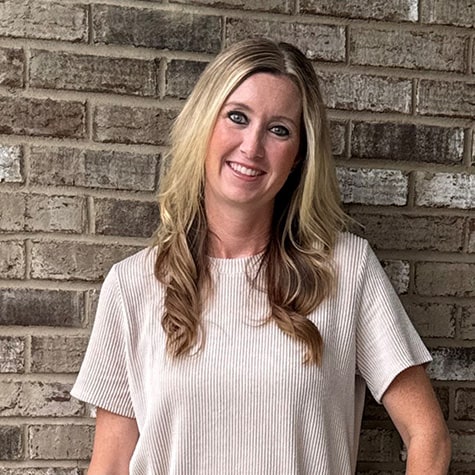
Brittny Galentine, mom to 8-year-old Holden and 3-year-old Shelby
Brittny never expected what she considered “typical childhood” health challenges to lead her family into the operating room four times for three sets of ear tubes and a tonsillectomy and adenoidectomy. With both of her children, that’s exactly what happened. Initially, she worried, especially about anesthesia at such young ages, but found reassurance in the pediatric expertise guiding their care. Each experience proved smoother than she imagined, from compassionate staff who engaged her children through play to easy recoveries filled with popsicles, cartoons and a quick return to normal life. Brittny is candid about her pre-surgery fears and what each day of surgery looked like for her family.
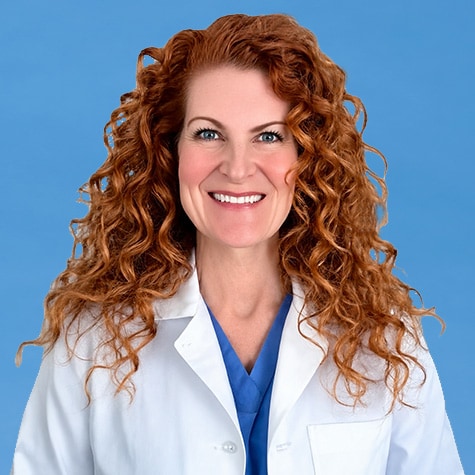
Jill Wilson, MD, pediatric anesthesiologist
Dr. Jill Wilson, Medical Director of Children’s Meridian Mark Surgery Center, has more than 25 years of pediatric anesthesia experience and has participated in more than 10,000 surgeries at Children’s. She offers a behind-the-scenes perspective on how surgical teams collaborate to keep parents informed throughout a child’s procedure. As both a physician and a parent, she also shares her personal experience navigating emergency surgery when her daughter was injured in a playground accident.