Season 3: Episode 7
Hope and Will: A Parenting Podcast from Children's Healthcare of Atlanta
Pediatric Healthcare Deserts in Rural Georgia
Rural towns across Georgia are home to special, tight-knit communities that fill vital roles in our state economy. Unfortunately, lack of access to high-quality medical care can make it challenging to raise a healthy family in those communities. Together, Children’s Healthcare of Atlanta and Mercer University School of Medicine are on a mission to change that.
Access to quality healthcare in rural areas affects everyone, whether it’s where a family calls home, where their loved ones reside or where they happen to be when an emergency unfolds.
Of the 159 counties in Georgia, 120 are considered rural and more than half of those rural counties do not have a pediatrician practicing within county lines. When a family needs to travel for healthcare needs, it can disrupt everything from the parents’ work to the child’s education. Important checkups and screenings can be missed, and quick access to quality care in the event of an emergency is another story.
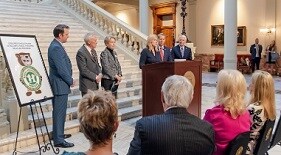
That’s why Children’s and Mercer University School of Medicine announced an initiative to improve access to pediatric medical care closer to home for families in rural Georgia. Two years later, programs are underway to increase the pipeline of pediatricians practicing in rural communities, improve the quality of care in rural hospitals, and expand local access to behavioral and mental health support.
In this episode of Hope and Will: A Parenting Podcast from Children’s Healthcare of Atlanta, we’re joined by three special guests—Dean Jean Sumner of Mercer University School of Medicine; Marc Welsh, Vice President of Child Advocacy at Children’s; and Lauren Brooker, a medical school scholarship recipient who plans to start practicing in 2028. Together, they share unique insight into what’s being done to change the trajectory of kids’ health in rural Georgia—and, more importantly, why such efforts are so important.
Lynn Smith: It's 2025. We have self-driving cars, search engines at our fingertips, and yet many families in Georgia still have to drive more than an hour to see a pediatrician. Having quality medical care close to home isn't just a nice to have. It's essential for kids health. Did you know: of the 159 counties in Georgia, 120 are considered rural, and more than half of the rural counties don't have a pediatrician practicing within county lines?
When a family has to travel for healthcare needs, it can disrupt everything from the parent's work to the child's education and family finances. Important checkups and screenings can't be missed, and quick access to quality care in the event of an emergency is another story. In 2023, Mercer University School of Medicine and Children's Healthcare of Atlantaannounced an initiative to improve access to pediatric medical care close to home. Just two years since the initiative launched, it's making quite the impact.
Today we're joined by three guests who each offer unique insight into healthcare in rural Georgia. Dean Jean Sumner of Mercer University School of Medicine, Mark Welsh, Vice President of Child Advocacy at Children's, and Lauren Brooker, a fresh graduate of the Mercer University School of Medicine who's set to begin her pediatric residency this fall. Access to quality health care in rural areas affects everyone, whether it's where you call home, where your loved one lives, or where you are when an emergency happens. It's my honor to welcome Dean Sumner, Mark Welsh and Lauren Brooker to the show.
Dean Sumner, I want to start with you. You have had an incredible career. You're a third generation Georgia physician, a graduate of Mercer University School of Medicine's first class in 1986, and the dean of Mercer University School of Medicine, also a practicing physician in Washington and Johnson counties for 28 years. Your leadership of the Georgia Rural Health Innovation center has made an incredible impact on rural health. In your spare time, you put together the Kids alliance for Better Care to strengthen the network of pediatric care throughout rural hospitals and doctor's practices. Wow. To say the least, it's incredible. As someone who deeply understands the needs of rural communities in Georgia, can you paint the picture of what healthcare for kids looks like in these communities today?
Jean Sumner: Well, thank you, Lynn. I'm honored to be here. Thank you for those kind words. Rural Georgia is a great place, and they have good people, resilient people, people who care about their children and communities. But they're desperately lacking in pediatric care. Of the 120 rural counties, 65 have no pediatrician. Even those that do may have one, families have to drive 50, 60 miles, sometimes further, to even access one pediatrician. Pediatrics is critically important to generational health. When you start with babies and families and children, mothers want to take care of their children. When they're trying to decide whether to feed their children or drive 50 miles to the doctor, sometimes they feed the children and delay care. They are good doctors there. They have a wide range of skills. They work hard. They're community responsive that the care of children is largely absent in many of these areas. And they're huge deserts where there are no pediatricians. And we have to address that, of course.
Lynn Smith: Can you give us an idea, maybe some examples of where these towns are in Georgia?
Jean Sumner: Clinch county, which is Homerville, has never, ever had a pediatrician. Brantley county has never had a pediatrician. There are counties without any physician, but there are many more counties that have never had pediatricians.
Lynn Smith: And these are vital communities to the state of Georgia. We’re talking from natural resources to outdoor recreation. These are tight knit communities, and they play such a vital role to Georgia's economy, right?
Jean Sumner: Absolutely. Farmers in southwest Georgia provide 80 percent of the food that the Atlanta Food Bank gives away and produce a huge amount of vegetables and other food that we need. Clay mining, all sorts of other minerals that are mined in parts of Georgia. It takes a healthy workforce. Children do better when there's a pediatrician in town because they're healthier to go to school. Industry won't come where there's not healthcare for families. There is a need, and we're trying to address that need. I think everybody's on board that we have got to improve and increase access to children's healthcare.
Lynn Smith: No doubt that all of the examples were part of the reason why you took on this leadership role. What were some of the other trends that you saw? You're pointing out the lack of access to pediatricians. What were some of the other disturbing trends that made you say we need to do something about this?
Jean Sumner: Poverty is number one. You won't change your poverty cycle until you bring jobs, and you won't bring jobs until you bring healthcare and better education. Healthy people are a better workforce. When people start to move, the two things they ask about, and this is an old line, but they ask about education and healthcare. Georgia needs rural Georgia. People come from all over the nation to hunt and fish and have recreation, but they also come for jobs. Healthcare plays an integral role in helping those communities grow.
Rural Georgians are resilient. They've been through a lot, and they're very tolerant of their situation because they care about their communities. They're very diverse, but they're also very close. I've always said it's hard to be a bad doctor in a small town because everybody knows everything about you. You need good doctors in small towns, and they are very loyal to the point that the trust you engender in your patients shapes their behavior. You have to be their advocate when you have to refer them out, because they often can't negotiate the system that we have today. I think it's a vital role. I think it's the most exciting role in healthcare is to be a community response physician.
Lynn Smith: I'd love to hear more about that because to your point, they're not just a pediatrician. If you live in Atlanta, you have access to every specialist. You have the greatest hospitals. You have Children's Healthcare of Atlanta, where the best specialists are right around the corner. When you're a pediatrician in these rural communities, you wear every hat, right?
Jean Sumner: You wear every hat, but I've been impressed by the pediatricians. I know they wear every hat that helps their patients. If it's the school system, if it's public health, if it's a home visit, if it's a family in trouble with mental health issues, they wear every one of those hats willingly. They're well trained to do it. I have lots of close friends in communities like Atlanta and urban areas, but when you go out and practice in a small town, you have to be a really good physician, because undifferentiated patients, patients that have not seen another doctor, walk through your door with incredible illness. You have to be able to identify diagnosis, start the evaluation, even if the treatment means they have to go to an urban environment. You have to work them up, and you have to get them to the right person. Those doctors need a broad range of skills and know how to handle most anything. Truthfully, when you're the only doctor in a county, the leadership of the county could care less. If you're a pediatrician or an internist, you're the only doctor. You may deliver a baby. You may sew up a laceration.
Lynn Smith: Tell me more about the Georgia Rural Health Innovation Center.
Jean Sumner: The state of Georgia, thanks to the legislature, has been very interested in rural health. They very much want to improve rural health. They've spent a lot of money on these communities trying to solve the problems of rural Georgia through financial support. There were no outcomes. There was no success. There was no improved health status. In talking with legislators, we presented the idea to do something based on sustainable outcomes, measure how it did, make adjustments, and then try again and then measure it again—really look at programs that are sustainable in rural Georgia. That's how the center came about. It came about as an effort to understand these communities.
The communities are complex. They're not simple. It's not Mayberry, but there are tremendous skills and things that are in that community. You have a comprehensive community needs assessment. You work with the community to change their own community. They often have the skills they need. They just need leadership to develop those skills and to bring things into that community. We do that for healthcare, and we look for researchers that understand how to really delve deep into the issues and suggest solutions to them.
Lynn Smith: Marc, how did the relationship between Children's, Mercer and the Georgia Rural Health Innovation Center start?
Marc Welsh: Children's, in any given year, will serve kids from all 159 counties from across the state, and those are kids coming into Atlanta seeking care. We are grateful that we can provide that much needed care to kids across the state. We believe in a thing that we say often in our halls, that we will do everything possible to make anything possible for kids. When we say that, that means that we have to understand the needs of kids. When we think about our 120 counties that are rural, we know that those communities face unique challenges and have unique needs. For us sitting in Atlanta, to think that we what is best for those communities is just not true. It required us to work with a partner who'd been doing this work, who'd been committed to rural communities, who understands rural communities. The Mercer School of Medicine and the Georgia Rural Health Innovation Center had already made this significant commitment. They were living this every single day. We could bring pediatric expertise and resources. They had the knowledge and know-how to say, “How do you best impact these communities?” That starts with listening and understanding those communities and not making assumptions about communities, not taking into the conversation your preconceived notions around what does a rural community look like and what do these individuals need.
It was important to have a partner who says, “No, we understand because we live here, because these are our neighbors, these are our family members.” To really listen and then say, “How do we make the biggest impact to ensure that kids in any of those 120 counties in rural Georgia have the same opportunities as a child born in Atlanta?” To really think about what that looks like. For us at Children's, it was important that we had Mercer to really move this work forward.
Lynn Smith: Dean Sumner did a great job. She set the stage for some of the challenges that families in rural Georgia face. What are some of the ways that you work to make it better? We heard about the need for more pediatricians in Georgia. How do we get there?
Marc Welsh: You talked about the investment that we've made in rural communities, and this was another example of an investment. When Children’s said, “We want to make a difference,” we did that by creating a quasi-endowment that was set aside to specifically impact rural communities. I use the word investment on purpose because this is an investment we are making in our future. These are children who are going to grow into, hopefully, healthy adults that will impact the economy in Georgia. That will set forward a cycle that can be transformational for our state. That is what we talk about when we talk about investment. It was important for us to really think that while we're doing this, to really think about sustainable initiatives, not things that often happen in rural communities and under-resourced communities where someone swoops in, and they do something. Then, they figure out it doesn't work and disappear.
That was not how we wanted to approach this work. Doing things like creating a program with scholarships for young people who wanted to commit to being in rural communities, that's transformational commitment. That's not saying, “I'm going to come in and just fix this thing and go.” That's saying, “We're going to make sustainable change that actually will move a whole community forward in a way that other projects don't. Creating a scholarship program that invests in young people, that invests in the future, those are types of sustainable solutions.
Lynn Smith: That's such a good point. There are some rural areas without pediatricians, but the resources are so slim for the ones that are there. What work is being done in that regard?
Marc Welsh: One of the things that stood out to me in one of our first meetings at Mercer, Dr. Sumner was very thoughtful in bringing forward a group who'd been pediatricians and folks from hospitals to come and really talk about the needs. One of the things that stood out to me was one of those amazing pediatricians saying, “I don't have the luxury of going down the hall and asking for a second opinion. I don't have a colleague who is in the next exam room over.” We wanted to really think about how to break that down. How do you ensure that there are these ongoing educational opportunities that are being brought forward by Children's and others to really build out that capacity of our pediatricians, but also building this network of connections between rural pediatricians? It's so important that we are creating this community. When we think about what has been created in the Kids Alliance for Better Care, it really is an opportunity for connection in a very different way amongst pediatricians. And then, of course, it's supported by the expertise of folks at Children's. It is also making connections that just didn't exist before so that you can pick up the phone and call a colleague, that you can utilize telehealth to get a consult. Those are the types of connections that are important and the connections that really begin to build community.
Lynn Smith: What about some of the other challenges that are being faced? How are you addressing mental and behavioral health?
Marc Welsh: We all know the challenge that we faced around mental health and in particular, youth mental health. It's a massive challenge for us nationally, certainly a challenge for us within metro Atlanta and a challenge within our rural communities. It becomes an even more unique challenge in our rural communities when we begin to think about the access that kids have to the care that is needed. How do you screen for those needs in a way that allows you to identify the concerns that may exist amongst kids? Screening is only as good as your ability to connect a family to resources. Those two things have to happen in conjunction. We've started an initiative to work with counties to think about how we screen the kids in your school and then connect them to either local resources or telehealth resources to ensure that those kids are getting the therapeutic services that they need. This is focused in schools because schools are the trusted partners in these communities. Kids go to school. If you can work within that environment, that's how you ensure that you catch the kids.
Another important component of that is the relationships that exist on the ground in the community. This is where Mercer and the work that they've done is so important. It is ensuring that you can talk to a parent as a neighbor and not as a provider 100 miles away—to really engage and help them understand the needs that their child may have. A mental health concern can be extremely frightening for a family. Making sure that it's not just some clinician 100 miles away saying this, that it's someone that you know who's going to help and guide you through this, is vitally important for us to be able to move the needle.
Lynn Smith: What about local hospitals? How do they fit into the equation here?
Marc Welsh: I've had this amazing opportunity and education through this process around our rural hospitals across our state. These are amazing facilities run by amazing people. They are making such an impact in their community, often with very little resources. Through our project, we wanted to ensure that if a child was in need of care, they could go to the closest facility available and get the care needed to stabilize and ensure that that child has the best opportunity for recovery. How do we work with these hospitals to get their skills built up to be ready to really serve kids? That meant ensuring that they have the right training and the ability to reach experts when needed to guide them through some of those difficult cases. We've always said at Children's, “We'll still be here when you need us.” If a child needs to be transported to us because they need that higher level of care, we're there. We want to know that that child can first get that in their own community and at the closest available healthcare setting. We've focused on how to build that capacity.
Lynn Smith: I can hear your passion behind why you do what you do, and it's such incredible work. Dean Sumner, tell me about the Kids Alliance for Better Care, also known as Kids ABC.
Jean Sumner: Mark just covered the tenets of that program and very effectively. I think I'm supposed to say, “Amen,” after that.
Lynn Smith: Tell me from your perspective.
Jean Sumner: It does have three parts. One, we work with the local pediatricians. We figure out what they need in terms of education. We have monthly education sessions that are incredible. We also integrate the opportunity for those pediatricians to present a case to the doctors at Children's. The pediatricians have interesting cases that come in and need guidance. They present the case and discuss it as colleagues, which has been very beneficial. We have a variety of topics every month. We invite family medicine and pediatricians across the state that care for children and nurse practitioners and PAs. We give them training. We have conferences. We bring in top-notch speakers, many from Children's. They interact with these specialists to talk about their needs in rural communities.
We've built an alliance between counties. You may be the only pediatrician in a county. There may be a pediatrician two counties over, but you probably don't know each other. One of the most impressive things to me is the alliance that is building between these rural pediatricians where they share best practices. As Marc alluded to, it's lonely if you're the only doctor in town. If you're the only pediatrician in a county, you want somebody to run a case by. You want somebody to look at a rash. You want somebody to think about the symptoms and the signs that you found. It does two things. It enlightens the consultant to what life is like in rural Georgia and the cases they see. More importantly, it builds the skill set of the pediatrician on the ground. It gives them confidence to learn more about that process. It may prevent having to take your child out of school, take two days off from work, and drive 180 miles one way to see a specialist because it's something that the local pediatrician can handle with a little guidance. We work with pediatricians and try to support them in any way we can.
We also go into those Emergency rooms and spend a lot of time getting to know the staff. What do they need? What is their level of understanding? What kind of training do they need? What equipment do they need? They may not even have one baby warmer. They may not have a pediatric endotracheal tube. They may not have a scale. When we are able to bring that equipment in and train them how to use it, we set a level of standards. When they meet those standards based on their need, we celebrate them. We have a community-wide event where we help that community rebuild trust in their hospital. They've worked hard to improve their skill set, and they'll continue to work hard. It's encouraging to see the pride and the ownership that these hospitals take of this initiative. They want to be the best they can be and working with Emergency rooms in rural hospitals is an important part of that.
The third initiative is the mental health screening in the schools across Georgia and being able to provide immediate care aside from the treatment that can be available and the identification of children at risk. It normalizes the fact that mental health is part of health. Mental health shouldn't be something that you're afraid of—it's a scientific basis to care. You don’t have to be ashamed that you have depression or anxiety. That enhances the skill set of physicians and staff. Surprisingly, Children's allows these ER nurses and the pediatric staff to come to Children's and be trained by incredibly capable people.
We also have scholarships as part of this initiative. Those students get to go to Children's and talk with the doctors there. They inspire them to not give up, to keep going toward that mission of returning home or returning to a rural county. When they hear those guys talk about the need for a general pediatrician in a small town, it's inspirational. Through this initiative, we can alleviate their debt, which is a huge incentive.
Lynn Smith: It's important to point out that there's nothing like this out there in any state. In fact, many states are going to model your initiative in their areas. Tell me a little bit more about that.
Jean Sumner: We're collecting data. We're tracking what we do. We're looking at health status. We're looking at miles saved and the child may have to go to Atlanta for chemotherapy, but he can be followed up in a small town and not have to make that drive. We have a rough estimate. Even though this is in its infant stage, we've saved between the Chirp Line and the telehealth units, more than 30,000 miles of travel for these parents, which is an incredible amount when you consider this initiative has not been going on that long. Imagine what will happen over 10 years. It prevents unnecessary travel. It gets kids at home, which helps the family, and it builds skill sets for the local pediatricians. Most people on this globe are in rural spaces, even in foreign countries. We develop a model that may need a little tweaking for another state or another country, but it works in Georgia. We have some of the most dire statistics in rural health of any place in this country. We're finding a model that works for kids, and maybe we can share that model with other specialties or other areas of need. We're proud of that work, and we think we are doing something that's unique, meaningful and truly transformational.
Lynn Smith: You certainly are. You're talking to us from Macon, Georgia, after an exciting ceremony. There are seven future pediatricians that received full scholarships for medical school and residency, which is incredible. These are the scholars who commit in serving the rural areas of Georgia for at least four years after residency. Tell us how you selected these recipients.
Jean Sumner: Mercer is different in that we only accept Georgians and preferentially accept Georgians from rural communities. The American Association of Medical Colleges reports that there are about 5 percent of students in MD programs that grew up in a rural community. If you didn't grow up and appreciate that lifestyle, there’s less chance that you will practice there. If the average is 5.5 percent of students that are rural at MRSA, it's between 40 and 50 percent, and it's 70 percent outside of metropolitan Atlanta. First and foremost, we select the right students. We've been given this wonderful opportunity by Children’s to provide these young people with 100 percent of their tuition for medical school and then enhanced training as well.
We're not trying to entice somebody to take a scholarship. We want them to commit to being a rural pediatrician because they love that work. They want to do that work. They're called to do that work. We screen the applicants. We pick the ones we think have deep roots in rural communities. We interview every one of them personally and then really give it consideration. We've done a really good job of picking those young people. They don't realize it, but they have very similar personality traits. They are committed to children. They love children. They've wanted to work with children forever, and they'll be outstanding pediatricians.
Lynn Smith: We're going to meet one of them right now. So far, there have been 27 recipients, 20 who received scholarships in previous years and seven who were recognized today. Lauren, you were part of that inaugural class, so we'd love to hear a little bit about you and what was your journey into medical school like?
Lauren Booker: I grew up in rural Sandersville, Georgia. I knew firsthand from my experience what it was like growing up in a community with lack of access to healthcare. Growing up, I had six different pediatricians that I counted. I was very blessed to be healthy, and that wasn't a huge deal for my family. Throughout life and seeing my niece who has epilepsy grow up in a rural community and not have easy access to healthcare opened my eyes to my want and need to do this.
Lynn Smith: I can imagine you always knew you also wanted to be a doctor. Is that true?
Lauren Booker: Being in a rural community, it's so much more for a physician than just providing healthcare. It's really being a leader in the community. Everyone in the community looks to you for public health, things like immunizations and all that. Your community relies on you and your opinion. That's something I wanted to be able to provide for my community and my career.
Lynn Smith: Mark and Jean, you've heard from a lot of recipients that they didn't imagine that they were going to be able to return to their rural community because of the financial burden with school loans. Was that the case for you as well, Lauren?
Lauren Brooker: Several times throughout my medical training, I've heard attendings or residents joke that if you want to make money don't do pediatrics. A lot of my classmates didn't even consider that because they didn't feel like they'd be able to pay back their student loans with a career in pediatrics. To be awarded the rural pediatric scholarship was a huge blessing for me.
Lynn Smith: How did you first hear about the scholarship?
Lauren Brooker: The school made an announcement during my second year of medical school, and I had decided I was going to do pediatrics. At that point, I knew I wanted to return to a rural community like my small town. I applied as soon as applications opened up. I was able to do an interview with the committee, talked a lot about my experience growing up in rural communities, my desire to practice medicine, desire to be a pediatrician, and my desire to return home.
Lynn Smith: All of which is now going to come to fruition. When you first heard that you got the scholarship, what was your reaction?
Lauren Brooker: I felt very honored to receive the scholarship. We talked a lot about how physicians in rural communities are not just healthcare providers. They do so much more within their community. The fact that the selection committee saw that in me—I felt honored that they felt I was capable of doing that. It also gave me peace of mind, knowing that I was going into my career with the support of Children's, the support of Mercer University, and the support of the Georgia Rural Health Innovation Center—that I would have their support throughout every step of my career.
Lynn Smith: You have to have the desire because it's not about going in it for the money. You're going in it for the lives that you can change. Dean Sumner, these future pediatricians, they're not the only ones that are receiving the scholarships. They're marriage and family counselors that also are involved. Tell me a little bit more about that.
Jean Sumner: The School of Medicine has a marriage and family therapy program that is extremely strong. We had not focused that work on rural [areas], but there were always students in the group that wanted to go back home. Family therapists go to school. They get a master's. They finish college. They do two years in this rigorous program, or more than two years in a rigorous program, and they get an associate license. When we opened this scholarship up, there were so many questions and so many concerns. Could they survive? They really started looking at it, and it's taken off like lightning. Now there's more interest in rural mental health in that group.
They have to commit to living and working in that community because we don't think that transient providers impact the community. They agree to do that. Sign a contract, and so far, have been right on task. They are very committed to this work, and we're proud of them. They get extra training in autism. They get to go to Marcus Autism [Center] and have some other experiences, which are additive to their skill set. We do special training in the program on the issues of rural health and some of the challenges that families have. They come out ready to go.
Lynn Smith: It's been two years since this initiative was announced. What kind of progress have you seen so far?
Jean Sumner: You've seen confidence grow. You've seen hope grow. Those are not measurable, but you see them every day. You see pride. In these hospitals, we have measurable data, but it's early. We continue to gather that we're seeing trends of improved care. We already have reports of lives saved. We've had reports of prevention of an unnecessary transfer, which would have been horribly expensive and difficult for the family. We have lots of those reports with this effort.
It takes time to get that data, refine it and look at trends. One thing for sure, we increased the awareness of the need for good pediatricians in rural Georgia. If you travel to these hospitals, it's humbling to see how grateful they are for the smallest opportunity. It may be a piece of equipment that they're proud of. When we were visiting earlier this summer, one hospital was treating their baby warmer like it was a diamond ring. It was carefully placed, carefully covered, and it was their only baby warmer. The news spreads very fast in a small town, and they know that this equipment is going to be used, and the nurses know how to use it. Young physicians are willing to go to these communities when they know the hospital can help them take care of their patients. We see many positive trends. In the next year or so, you'll see more data that shows a change in health status and less travel. We continue to grow that mileage saved or travel saved for these families.
Lynn Smith: Y>ou have six new rural pediatrician and family medicine practices across Georgia. It's an incredible accomplishment. Marc, what do you see for Kids ABC in the future?
Marc Welsh: For me, it is building on the work and continuing to advance the efforts that we've put in place—continuing to listen, learn and find new and innovative ways to make impact in these communities. That's what this story is about. It's about listening, learning, innovating and trying to see what makes the biggest impact. We know that we'll grow in the work that we're doing. I'm looking forward to those new ideas and new things that will further advance this work and make a bigger impact on the community. When we started our program, we knew we wanted to do pediatricians. We knew that was key. Soon after, we said, “What about mental health?” It's those moments of growing the program and responding to the needs of the community that I think will be important for us going forward as we continue to build this work.
That is the commitment that Children's has made in this collaboration—we're here for the long haul.
Lynn Smith: Lauren, tell us about how this scholarship has impacted you and your family
Lauren Brooker: It's been just a huge blessing for us. I've always been interested in being a pediatrician. I've always looked up to the rural pediatricians in my hometown, and the fact that the scholarship makes it possible without having to worry about the financial burden of medical school loans is just indescribable. I feel very fortunate.
I just graduated medical school a couple weeks ago. I will start my pediatric residency at the University of Alabama at Birmingham this summer. I'll do three years there, and then after that, I'll be coming back to Georgia to practice.
Lynn Smith: That's amazing. Dean Sumner, in closing, what do you want families in rural areas who might be listening to know?
Jean Sumner: We're coming. Get ready. We are unwaveringly committed to improving pediatric care across rural Georgia. We're not going to stop. We're committed to our mission, but we're committed to the people of this state. We work hard to be true to our word—to improve things and to learn and to continue to advocate for pediatrics, because I truly believe that you start with the children. If you're going to change the status, you start with the children. You bring good care, which changes the family. The family gets healthier when children get good health care. We're not stopping.
We are deeply grateful to Children's for giving us the opportunity to do amazing things in rural Georgia with these communities. It's really them doing the amazing things. We're just there to help and guide and provide the resources and stick with them. I always tell the communities, “The only way we're leaving is if you run us off.” So far, we have not been run off. We’re building trust. We answer our phones. We call them back. We jump in the car and drive down there if we need to help. We show up for any issue that we can make a difference. We have an approach in the same way that Children's says they'll do anything possible to help children achieve what they need to. This initiative has built trust in communities that have not had trust in their health system for years. It's brought hope to the communities, and we're going to bring pediatricians who will be the transformative force that starts that culture of health for all Georgians. I believe in the program, and I'm deeply grateful to Children's, as we all are.
Lynn Smith: We are deeply grateful that you took the time to share with our audience what you're doing, because it's incredible work. Dean Sumner, Marc, Lauren, thank you for being here. Keep up the good work, because as you've been describing, rural Georgians need this, and you are delivering. Thank you.
To learn more about children's supportive communities in rural Georgia, head to choa.org podcasts. I'm Lynn Smith and this has been Hope and Will, a parenting podcast from Children's Healthcare of Atlanta.
This podcast is for general informational and educational purposes only. It is not to be considered medical advice for any particular patient. Clinicians must rely on their own informed clinical judgments when making recommendations for their patients. Patients in need of medical or behavioral advice should consult their family healthcare providers.
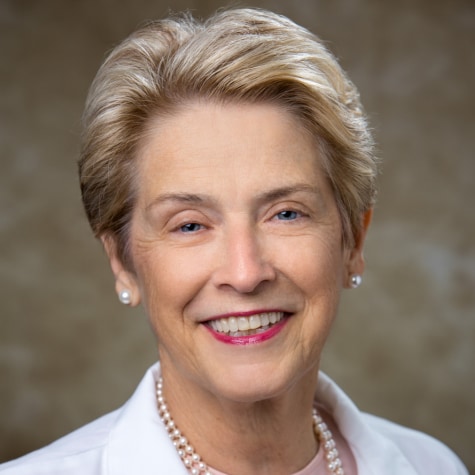
Jean Sumner, M.D., Dean, Mercer University School of Medicine
Jean Sumner, M.D., is a third-generation Georgia physician, a graduate of Mercer University School of Medicine’s first class in 1986 and the Dean of Mercer University School of Medicine.
She has spoken about the importance of rural health to legislators and was instrumental in the creation of a center for rural health which Mercer University has now embedded into the School of Medicine. Her creation of and leadership in the Georgia Rural Health Innovation Center has started a renaissance of innovation for rural health.
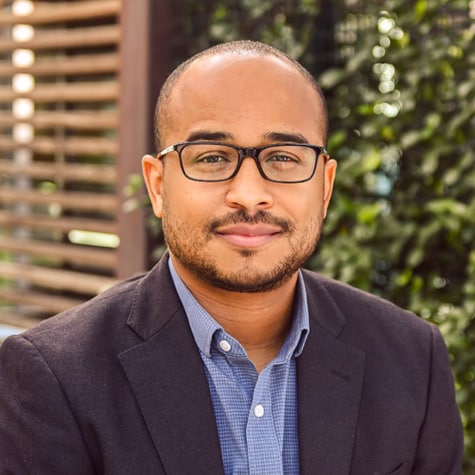
Marc Welsh, Vice President, Child Advocacy, Children’s Healthcare of Atlanta
In his role as Vice President of Child Advocacy, Marc leads Children’s state-wide community efforts focused on obesity prevention, behavioral and mental health, injury and illness prevention, and child protection. Marc’s multi-disciplinary team implements evidence-based programs focused on helping families raise healthy, safe, resilient kids. Marc is also responsible for Children’s employee and physician wellness programs.
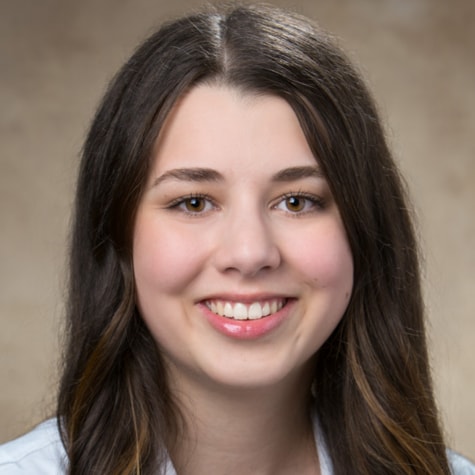
Lauren Brooker, pediatric resident and scholarship recipient
Lauren was named among the first class of medical students to receive a Children’s Healthcare of Atlanta Rural Health Scholarship, which she received before the start of her third year at Mercer University School of Medicine. Growing up, pediatricians rarely stayed in her hometown of Sandersville, and she rotated through 6 different pediatricians as a child. Today, Lauren is the proud aunt of a 2-year-old niece with epilepsy and a newborn nephew. Her niece and nephew live in the rural town of Hartwell, Ga., where the closest pediatrician is an hour away. Lauren graduated from Mercer University School of Medicine in May 2024 and will begin her pediatric residency at the University of Alabama at Birmingham in Fall 2025. She plans to return to Georgia to practice in Washington County, where she grew up, or Hart County, where her niece and nephew live, upon graduation in 2028.