
COVID-19 is caused by a novel coronavirus (SARS-CoV-2) that emerged in 2019 and quickly spread worldwide.
Coronaviruses are a family of viruses that commonly infect animals and humans. They usually attack the upper respiratory tract—nose, sinuses and throat. The coronaviruses get their name from the crown-like spikes on their surface, visible under a microscope (“corona” means crown in Latin). These spikes have a high rate of mutation (change) which leads to different viral variants that circulate the community. Some types of coronaviruses cause mild, cold-like symptoms, while some infections from coronaviruses like SARS or MERS can be associated with more severe symptoms.
Symptoms of COVID-19 range from very mild to more severe and in some situations, fatal. In most healthy children, COVID-19 causes mild symptoms and does not require hospital care.
Symptoms of COVID-19 may include:
- Fever
- Cough
- Sore throat
- Congestion or runny nose
- Shortness of breath or difficulty breathing
- New loss of taste or smell
- Refusal to drink
- Fatigue
- Muscle or body aches
- Headache
Symptoms may appear two to 14 days after infection. In children, the most common symptoms are fever, congestion and cough.
When should my child see a doctor for COVID-19 symptoms?
Most children with COVID have mild symptoms and can safely recover at home without seeking medical care. If your child is refusing to eat or drink, has a fever that is not responding to medication, or is not acting as they usually do, discuss your child’s symptoms with their pediatrician.
If your child is having difficulty breathing, call 911 or go to the nearest emergency department.
What are the different types of COVID-19 testing?
The two most common COVID-19 diagnostic tests from a swab inserted into the nose or throat are:
- Polymerase chain reaction (PCR) test: This is a molecular test that looks for the genetic material of the SARS-CoV-2 virus and is often referred to as the most sensitive test available.
- Antigen tests: Also called a rapid test, this test is less sensitive, but results are available in a few minutes.
Another kind of testing may help determine whether you have had a past infection from SARS-CoV-2:
- Antibody tests: Antibodies are proteins that are made by the body after having an infection or receiving a vaccination. Antibody tests look for proteins in the blood that are made against SARS-CoV-2, after having COVID-19 or after receiving a COVID-19 vaccination. Some antibody tests can tell the difference between protection after infection and protection after COVID-19 vaccination.
What are antibodies?
Antibodies are proteins that help fight off infections and usually provide protection against infection and/or having symptoms from the infection (immunity).
Where can I get my child tested for COVID-19?
COVID-19 testing in Georgia is widely available through local urgent care clinics, primary care clinicians and retail pharmacies. Some local public health departments offer rapid antigen and PCR testing options.
What if my child's COVID-19 test is positive?
- A positive COVID-19 test means the virus was detected and your child has or recently had an infection.
- Provide supportive care (fluids, rest) at home as long as your child’s symptoms are mild.
- Seek health care if your child has risk factors for severe illness.
- Antiviral medication and treatment may be an option to make your child’s symptoms less severe and shorten the time they are sick. Treatment is most effective when started early in your child’s illness. Speak with your child's pediatrician to discuss your treatment options.
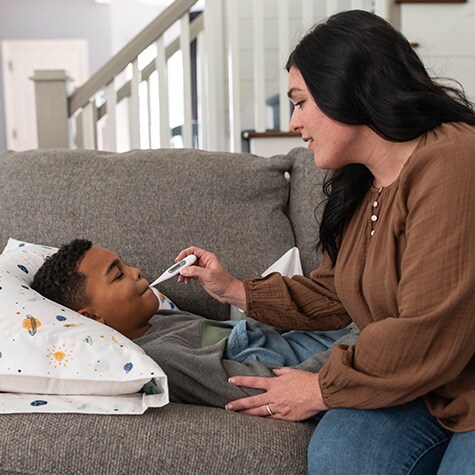
Where to go when your child is sick
If your child is sick or injured, it is important to know where to take them for care. Learn what can be treated at a pediatric urgent care center and a pediatrician's office.
Learn MoreAt Children’s, we are committed to the health and safety of our patients, families and staff. We encourage you to speak with your child's pediatrician about COVID-19 vaccine recommendations and availability for your child and your family.
The Centers for Disease Control and Prevention (CDC) offers an interactive COVID Data Tracker to help users follow trends and rates of COVID-19 hospitalizations. The dashboard is updated periodically.




Contact Us 404-785-KIDS (5437)