Pediatric neuropsychology is a subspecialty of clinical psychology that focuses on brain-behavior relationships and understanding how an injury or disruption in brain development or functioning may impact various aspects of development, learning and/or behavior. Our pediatric neuropsychologists are clinical psychologists who have additional, specialized training and expertise in brain-behavior relationships and development, and experience working with children and teens who have complex neurologic conditions. Skilled in evaluating cognitive strengths and weaknesses to determine the impact of brain injury, our neuropsychologists help assess the need for intervention and the type of support required, including educational, psychological and/or pharmacological.
What is a Psychometrist?
A psychometrist is a person who has received training in psychology or a related field with an emphasis on testing and measurement. The basic function of a psychometrist is to administer and score psychological tests under the direct supervision of a clinical psychologist.
What is a Neuropsychological Evaluation?
Children and adolescents may be referred for a comprehensive or targeted neuropsychological evaluation if they are experiencing cognitive difficulties associated with their neurological diagnosis. Neuropsychological testing refers to a number of tests that psychologists use to get information about how people’s brain works. Areas of assessment include processing speed, attention and regulation, executive functioning skills, memory, language processing, visual-spatial processing, visuo-motor and motor functioning, behavioral and emotional functioning, and adaptive skills.
In the Department of Neuropsychology at Children’s Healthcare of Atlanta, our team of specialists collaborates to provide care for pediatric patients with various neurological and complex medical conditions, including but not limited to:
- Acquired brain injury
- Anti-NMDA receptor encephalitis
- Brain tumors and other childhood cancers
- Cerebral palsy
- Concussion
- Congenital heart disease, heart failure or heart transplant
- Duchenne muscular dystrophy
- Encephalitis
- Epilepsy and seizures
- Genetic or metabolic disorders
- Hydrocephalus
- Neurofibromatosis
- Spina bifida
- Stroke
- Traumatic brain injury
Our team works with other specialists throughout Children’s to provide comprehensive care for each patient. Assessment and interventions are tailored to your child, and we work with you at every stage so you will know what to expect. Our providers see patients in the outpatient and inpatient settings, as well as various multispecialty clinics.
Our multispecialty programs and clinics, which provide easy access to the specialized, coordinated, multidisciplinary care your child needs, include:
Research shows that children with heart conditions are at risk for motor and language delays, as well as learning differences. We provide outpatient assessments through the Cardiac Neurodevelopmental Program to monitor development and support school planning. Inpatient assessments/consults are completed for patients with increased risk for brain injury, developmental delays, and/or challenges with coping and adjustment to chronic illness and complex medical regimens.
The Cognitive Remediation program helps preadolescent and young adolescent patients and their parents learn the skills needed for increased independence in important areas of executive and adaptive functioning.
Patients with acquired and/or traumatic brain injuries are serially monitored and assessed across the rehabilitation continuum of care. Providers assist with cognitive monitoring, brain injury education and promoting positive coping/adjustment.
Our goal is to educate the public about the dangers of concussions, but if your child gets one, our multidisciplinary team is dedicated to diagnosing and treating it. We work closely with community providers to help ensure complete, coordinated care is delivered seamlessly.
Our Comprehensive Epilepsy Center is a Level 4 pediatric epilepsy center, which is the highest designation from the National Association of Epilepsy Centers (NAEC). We provide neurodiagnostic monitoring, clinical trials, and both surgical and nonsurgical treatment options.
Our team assesses patients with various genetic conditions in the outpatient and clinic settings. This includes children with neurofibromatosis, tuberous sclerosis, 22q deletion syndrome and Turner syndrome, as well as mitochondrial disorders and other metabolic conditions.
Our team provides inpatient consultation and assessment services across the hospital system.
We provide neurocognitive evaluations of early school-age children as they transition from early intervention services to school-based programs. Services include exposure to neonatal course and intervention, interdisciplinary consultation, parent education and support, cognitive and developmental screening, and exposure to the implementation of special education services.
- Cardiac Neurodevelopmental Program (CNP): Assessment of young children with a history of acquired and congenital heart disease, heart failure and heart transplant to support school planning and monitor developmental concerns.
- Early Childhood Clinic (ECC): Early childhood assessment for infants and toddlers with a wide variety of acquired brain injuries or complex congenital disorders. Our team helps guide caregivers about evidence-based interventions and accessing early intervention, as well as preschool special education services.
- Perinatal Events and Extreme Prematurity (PEEPs): We provide neurocognitive evaluations of early school-age children as they transition from early intervention services to school-based programs. Families receive education and support, as well as recommendations related to long-term and neurodiagnostic monitoring, intervention, and special education services.
Children’s Physician Group is home to one of the leading neuropsychology practices in the Southeast. Combining the latest proven technology and research with a caring, child-friendly approach makes Children’s a top choice for the treatment of common, rare and complex neurological conditions. Our Neuropsychology Program is led by Laura Blackwell, PhD, ABPP/CN, Interim Division Chief, Neuropsychology.
Neuropsychologists
- Phebe Albert, PhD
- Demy Alfonso, PhD
- Carla Ammons, PhD
- Laura Sheldon Blackwell, PhD, ABPP/CN
- Cortney Fritz, PhD
- Elyssa Gerst, PhD
- Robyn A. Howarth, PhD, ABPP/CN
- Jacqueline M. Kiefel, PhD
- Susan McManus Lee, PhD, ABPP/CN
- David J. Marcus, PhD, ABPP/CN
- Emily Riggall, PhD
- Yuri Shishido, PhD, ABPP/CN
- Molly Winston, PhD
Psychometrists
- Alexus Curry
- Brittany Hawkshead
- Ilissa McIntosh-Williams
- Stephanie P. Sweeney, EdS, CSP
The Department of Neuropsychology is deeply involved in research focused on how medical conditions and their treatments influence children’s thinking, learning, behavior, and emotions. Our team examines a broad range of pediatric conditions, such as brain injury, epilepsy, genetic and developmental disorders, and chronic medical illnesses, to understand their impact on memory, attention, problem-solving, and school performance over time. In addition, our team leads innovative research in cutting-edge AI and bioinformatics and is committed to creating and testing new models of care to provide the best neuropsychological assessments to patients and families.
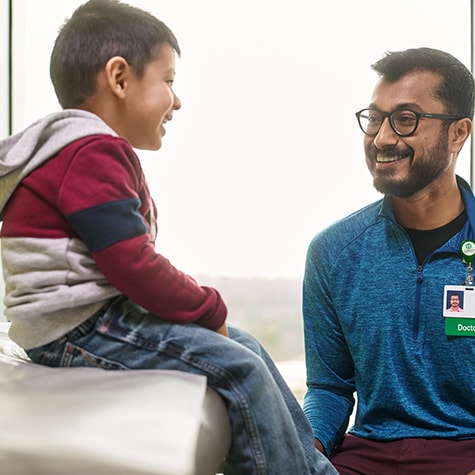
Neurosciences Research
Children's Neurosciences research program draws expertise from more than 50 pediatric-trained neuroscientists and neurosurgeons operating across 13 programs. It includes one of the few Level 4 National Association of Epilepsy Centers and ABRET EEG laboratory-certified programs in the U.S.
Learn About Our Research- Pediatric Neuropsychology Externship: Our clinical neuropsychology externships are designed for students who are interested in developing advanced skills in neuropsychology assessment. We work closely with local universities in the Atlanta metro area to provide a comprehensive practice rotation and educational programming for trainees.
- Clinical Psychology Internship: Children’s clinical psychology internship program accepts two predoctoral interns per year into an APA-approved internship program that is supported by Emory University and combines breadth and depth of training in pediatric neuropsychology and prepares trainees for a concentration in neuropsychology for post-doctoral fellowship.
- Pediatric Neuropsychology Post-Doctoral Fellowship: Children’s offers two-year, full-time postdoctoral fellowships in pediatric neuropsychology. The postdoctoral training program belongs to the Association for Postdoctoral Programs in Clinical Neuropsychology (APPCN) and is designed to meet the criteria of the Houston Conference on Specialty Education and Training in Clinical Neuropsychology.
You are a vital member of your child’s healthcare team. You are a source of security and comfort. But having a child diagnosed with a neurological condition can be an emotional and overwhelming experience. At Children’s, you can count on us to support you and your family through every phase of treatment and beyond. We make it our mission to provide the best care to every child—and the best experience for every family.
We work to support your whole family while your child is in our care—and after they go home.
Center for Advanced Pediatrics
2174 North Druid Hills Road NE
Atlanta, GA 30329
Office Building at Children's Scottish Rite Hospital
5461 Meridian Mark Road NE
Atlanta, GA 30342