Diarrhea in Kids
Diarrhea can be unpleasant for both you and your child. Find out how to comfort and care for your child—and when it’s time to be more concerned.
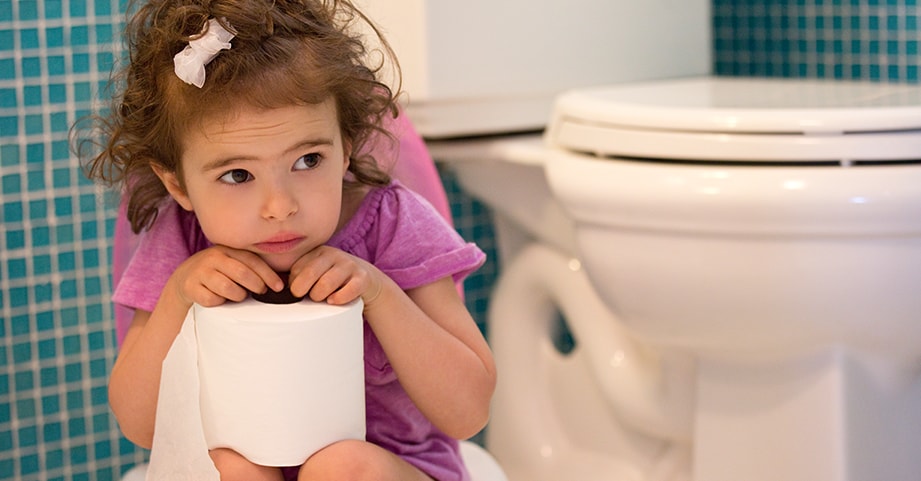
Diarrhea, an increase in looseness and frequency of bowel movements, commonly affects kids and is often contagious. It can be mild (a few loose or mushy stools) to severe (constant watery stools).
What causes diarrhea in kids?
The most common causes of diarrhea in kids include:- Virus or stomach bug: The most common viruses that can cause diarrhea include norovirus, rotavirus and adenovirus.
- Medicine: Diarrhea can be a side effect of some antibiotics.
- Diet: Some kids may have diarrhea after eating certain foods or drinking too much fruit juice.
- Food poisoning: This is caused by eating food that contains bacteria, toxins or germs. Along with diarrhea, food poisoning can cause stomach pain, nausea, vomiting, fever or headache. Symptoms most often show within 2 to 6 hours after eating contaminated food and can last 12 to 48 hours.
- Medical conditions: Diarrhea that happens often could be a sign of a medical condition, including inflammatory bowel disease (IBD), food intolerance or food allergies. Talk with your child's pediatrician if you child's diarrhea keeps coming back.
How is diarrhea treated?
Since diarrhea goes away on its own most of the time, the treatment goal is to keep your child from becoming dehydrated. Your child's doctor may also recommend:
- Dietary changes: Avoid sugary foods and drinks, like fruit juices.
- Medicine: While there are no medicines that can “cure” most cases of diarrhea in kids, some medicines may decrease symptoms or shorten how long they last. Only give medicine if advised by your child’s doctor.
- Probiotic: This can help maintain a normal level of good bacteria in the stomach and intestines.
Treating dehydration in children with diarrhea
"The real danger of diarrhea is that it can cause your child to become dehydrated,” explains Renee Alli, MD, Pediatrician at Children's Healthcare of Atlanta. “Dehydration happens when a child’s body loses too much water. If your child is also experiencing a fever or vomiting, they can become dehydrated more quickly.”
Signs of dehydration include:
- No urine in six hours for babies 12 months and younger
- No urine in more than eight hours in children older than 12 months
- No tears when crying
- Sunken eyes
- Dry lips and mouth
- Fatigue or feeling unusually tired or weak
Tips for keeping your child hydrated when they have diarrhea:
Hydration tips for babies and toddlers who have diarrhea:
- Breast milk: If your baby is breastfed, do smaller, more frequent feedings.
- If your baby seems less interested in feeding, try to increase the frequency of feedings.
- If feeding makes diarrhea worse, call your child’s pediatrician.
- Milk or formula: If your baby or toddler drinks formula or milk, give smaller amounts more often.
- Solids: If your baby or toddler eats solids, continue eating as normal unless they are also vomiting. If they are vomiting, do not give solids. Instead, give them small amounts of liquid often.
- Water: Do not give just water to babies younger than 12 months old unless your pediatrician tells you it is ok.
To help replace salt and sugar in the right amounts:
- For toddlers older than 12 months old, give Pedialyte, Liquilyte, Enfalyte or a less costly store brand. These solutions are NOT recommended for babies younger than 12 months unless advised by your child’s doctor.
Hydration tips for kids and teens who have diarrhea:
- Give extra fluids. Do not provide just clear liquids for longer than four to six hours.
- Do not give diet drinks or sugary drinks like fruit juices, frozen slushy drinks or sodas. Low sugar popsicles or gelatin are okay to give.
- Do not give drinks with caffeine like sodas or teas.
- Avoid red-colored drinks that may look like blood in the stool.
- Offer extra fluids with each loose or liquid stool. Diarrhea can make children very thirsty.
- Give food in smaller and more frequent amounts.
- Avoid fatty, fried or spicy foods, such as ice cream, French fries and pizza.
- Avoid high-sugar foods and drinks, such as candy and Kool-Aid.
- Add other foods as the diarrhea gets better.
- Give a probiotic if recommended by your child’s doctor.
To help replace salt and sugar in the right amounts, give Pedialyte, Liquilyte, Enfalyte or a less costly store brand.
How can I keep my child’s bottom clean?
- Avoid using diaper wipes as they can irritate your baby’s already sensitive skin. Clean your child’s bottom gently and well with soap and water. Pat the skin dry with a clean towel.
- Apply a thick coat of a barrier cream (zinc-based ointment or petroleum jelly) after cleaning. This can help keep the stool away from the skin.
When should I call my child’s doctor?
Contact your child’s pediatrician right away if your child has one or more of these symptoms:
- Does not smile or play for even a few minutes every four hours
- Has blood or mucus in the stool
- Has signs of dehydration (see above)
- Becomes weak or sluggish, or looks or acts sick
- Seems to be breathing hard or fast even after a fever has been treated with medicine
- Has stomach pain that continues between each loose or liquid stool
- Has pain on the right side of their belly
- Is not eating their normal diet (no fatty or spicy foods) in 48 hours
- Has been on antibiotics recently
- Has a yellow color of the skin (jaundice)
- Has a rash
“Diarrhea can be very contagious,” says Dr. Alli. “To help keep germs from spreading to others, wash your hands well after changing your baby’s diaper or wiping your child’s bottom.”
Some viral stomach bugs, such as norovirus, can be very resistant to standard alcohol-based hand sanitizers, so it is very important to wash hands thoroughly with soap and water often.
Renee A. Alli, MD, is a board-certified pediatrician at Children's Healthcare of Atlanta. Dr. Alli earned her medical degree from the University of South Florida College of Medicine in Tampa, Fla. Following medical school, she completed her residency training at Tulane University Medical Center in New Orleans. Dr. Alli has been a Children’s Healthcare of Atlanta physician since 2016 and joined Snapfinger Woods Pediatrics in 2025.
This content is general information and is not specific medical advice. Always consult with a doctor or healthcare provider if you have any questions or concerns about the health of a child. In case of an urgent concern or emergency, call 911 or go to the nearest emergency department right away. Some physicians and affiliated healthcare professionals on the Children’s Healthcare of Atlanta team are independent providers and are not our employees.