Does My Child Have a Developmental Delay?
As a parent, it’s exciting to watch your child grow and reach new milestones. But when those milestones don’t come as expected, it’s natural to have questions and concerns. Developmental delays can affect a child’s ability to learn, communicate and interact with others, so it’s important to know what to look for and when it may be time to contact your child’s doctor.
A developmental delay occurs when a child is consistently slower to develop or has not met their physical (fine and gross motor skills), cognitive (thinking and learning), communication (speech and language), or social and emotional skills.
While all kids grow and develop at their own pace, most reach certain milestones—like rolling over, saying “mama” or taking their first step—around the same age. If your child is behind or has not met one or more milestones, it could be a sign of a developmental delay.
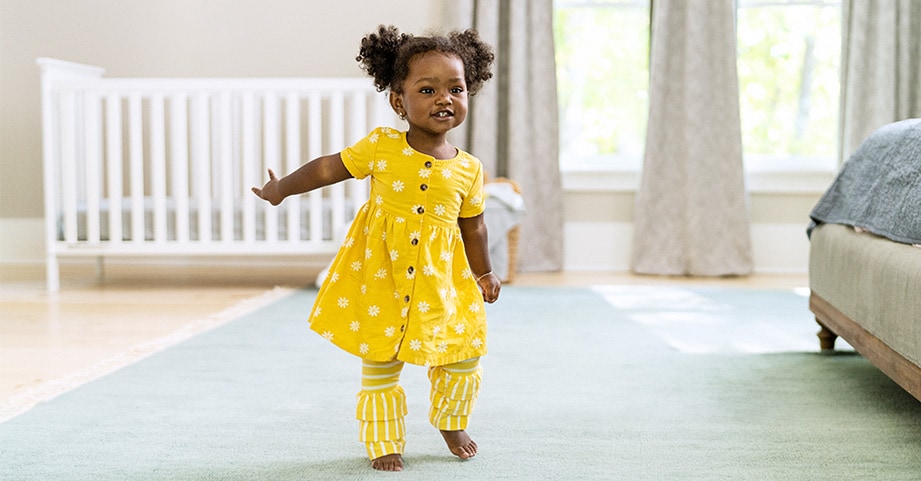
Developmental delay examples
Developmental delays are most common in infants, toddlers and preschoolers. Symptoms vary by child and may include:- Delayed speech: Most babies babble and say simple words, like “mama” or “dada” by 12 months. By age 2, many are combining two words into short phrases. If your child isn’t making sounds, responding to their name or showing interest in communication, talk to your pediatrician.
- Difficulty with motor skills: Most babies roll over by 6 months, sit up by 9 months and start walking around 12 months. If your child seems stiff, floppy or isn’t meeting these milestones, it may suggest a motor delay.
- Trouble interacting with others: Making eye contact, smiling and engaging with others are important milestones. If your child doesn’t respond to your voice, shows repetitive behaviors or avoids interactive play, talk to your pediatrician.
How do I know if my child has a developmental delay or learning disability?
Learning disabilities are neurological disorders that affect a child’s ability to process, understand and use information. Kids with learning disabilities often have average or above-average intelligence but may struggle with specific academic tasks.
Learning disabilities may be less obvious in early childhood, but they can become more apparent as academic demands increase. Learning disabilities can affect how a child processes information, making it difficult to develop skills in reading, writing, math or other areas of learning. Learning disabilities may also impact a child’s ability to communicate or interact with peers, leading to social isolation or difficulty making friends.
Common learning disabilities include:
- Dyslexia: A child with dyslexia may struggle with reading fluency, mispronounce words, skip words or have difficulty recognizing sight words. They may also reverse letters or have trouble spelling words correctly.
- Dysgraphia: A child with dysgraphia often finds writing physically difficult. They may have illegible handwriting, trouble spacing words or difficulty organizing their thoughts on paper.
- Dyscalculia: A child with dyscalculia may have trouble with numbers. They may find it difficult to recognize numbers and solve math problems.
- Auditory and visual processing disorders: A child with these brain-based conditions may have trouble making sense of sight and sounds despite having normal hearing and eyesight. They may find it difficult to read, learn or talk.
Global developmental delay
A global developmental delay is when a child has a significant delay in two or more of the developmental categories (physical, cognitive, communication, social and emotional).
How do I know if my child has a global developmental delay or autism?
While a child diagnosed with autism may experience developmental delays, autism and developmental delays are different conditions.
- Developmental delays occur when a child is slower to meet developmental milestones. With early intervention and support, most children with developmental delays will eventually catch up to their peers.
- Autism spectrum disorder (ASD) is a neurodevelopmental disorder that affects a child’s social skills, communication and behavior. The brain of a child with autism develops and works a little differently, which can affect how a child understands and relates to others.
Your child’s doctor can help determine if your child has a development delay or an underlying condition, like autism, ADHD or dyslexia.
Developmental delays may be caused by a variety of different factors, including:
- Underlying conditions, like autism, ADHD or dyslexia.
- Genetics.
- Premature birth.
- Lack of oxygen or injury during pregnancy or birth.
- Trauma or abuse, such as shaken baby syndrome.
- Exposure to toxins.
When should I contact my child’s doctor for a developmental delay?
“If you notice your child is experiencing challenges in reaching certain milestones or you have concerns about their overall development, contact your child’s pediatrician,” says Karen Dewling, MD, Pediatrician at Children's Johns Creek Pediatrics. “They can perform a developmental screening to help diagnose and manage developmental concerns.” Early intervention helps identify and address delays giving your child the best chance to thrive—physically, academically, socially and emotionally.
What happens during a developmental screening?
Pediatricians often rely on a combination of observational assessments, developmental screening tools and parent-reported information to evaluate a child’s developmental progress. These tools help determine whether a delay is present and the degree to which it may affect a child’s daily life.
During a developmental screening, your child’s pediatrician may:
- Ask questions or give you a questionnaire to gather relevant information about your child’s development.
- Observe your child’s behavior, communication skills, motor abilities, cognitive functions and social interaction.
- Obtain information about your family history.
- Perform testing to identify a diagnosis.
If there are concerns, your pediatrician may refer your child to a pediatric specialist to help make sure they receive the support they need.
Depending on your child’s signs and symptoms, your pediatrician will work with you to develop a comprehensive plan tailored to support your child’s developmental needs. The plan may include:
- Occupational or physical therapy.
- Speech therapy to help develop effective communication skills.
- Interventions focused on enhancing social skills and fostering meaningful connections with peers and caregivers.
- Further evaluations as needed.
Timely assessment and treatment provide invaluable opportunities to address underlying issues that facilitate optimal growth and learning.



Karen Dewling, MD, is a board-certified Pediatrician at Children’s Healthcare of Atlanta. She provides pediatric primary care services at Children’s Johns Creek Pediatrics and Children’s Forsyth-Cumming Pediatrics. Dr. Dewling earned her medical degree and completed her internship and residency training at Johns Hopkins School of Medicine.
This content is general information and is not specific medical advice. Always consult with a doctor or healthcare provider if you have any questions or concerns about the health of a child. In case of an urgent concern or emergency, call 911 or go to the nearest emergency department right away. Some physicians and affiliated healthcare professionals on the Children’s Healthcare of Atlanta team are independent providers and are not our employees.