How To Identify, Treat and Prevent Skin Rashes in Kids
While most rashes in babies and children are harmless, a few can signal more serious issues. Knowing the triggers and recognizing symptoms can help make all the difference.
Rashes are common in children and are most often caused by heat, viruses or mild irritations. However, some rashes can be a sign of an underlying infection, allergic reaction or a more serious medical condition.
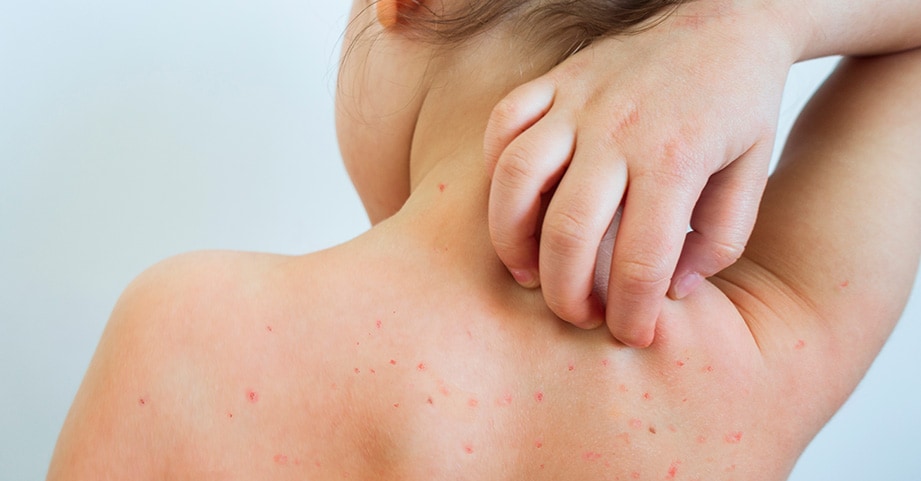
Common causes and symptoms of childhood rashes
- Chickenpox: This contagious viral infection causes an itchy, red, bumpy rash that develops into fluid-filled blisters that break open and scab over. It is usually accompanied by flu-like symptoms. Chickenpox can be prevented with a vaccine.
- Contact dermatitis: This itchy skin rash develops when a child comes into contact with an allergen (ex. poison ivy) or irritant (ex. laundry soap). Red, itchy bumps will appear where the skin came into contact with the allergen or irritant. The rash may last for a few days to a couple of weeks.
- Cradle cap: This harmless skin condition is most often seen in newborns. It can cause white or yellow scaly patches on a baby’s scalp. The scales may be flaky or greasy and may be surrounded by a rash. It usually goes away on its own within a few weeks or months.
- Diaper rash: This rash can be caused by prolonged wetness or moisture exposure, diaper irritation, or fungal infections. A baby’s skin may appear red and inflamed where the diaper touches their body. Most diaper rashes will clear up in a few days with home treatment.
- Eczema (atopic dermatitis): This is a chronic skin condition that causes dry, itchy patches typically on the knees, elbows or face. It may be triggered by allergens, irritants or changes in weather. Many children outgrow eczema over time.
- Fifth disease: This contagious viral illness, also known as “slapped cheek disease,” causes a temporary red skin rash on a child’s face. Other symptoms may include fever, runny nose, muscle aches and joint pain. It usually goes away on its own after several days.
- Hand, foot and mouth disease: This contagious viral illness can cause small blisters on the hands, feet and inside the mouth. A child may also have a mild fever and sore throat. It typically gets better on its own after several days.
- Heat rash: This develops when sweat glands are blocked, leading to small, red or clear bumps. This most often happens in hot and humid conditions. To get rid of the rash, cool and dry out the affected skin area.
- Hives: These are itchy, red, swollen bumps or welts that can show up on any part of the body. Hives may appear in response to an allergic reaction, infection, temperature (hot or cold) or stress. They typically heal on their own.
- Measles: This highly contagious disease is caused by a virus and can lead to serious health problems. Measles starts with a fever, followed by a cough, runny nose and watery eyes. A rash then breaks out, with red spots appearing first on the head and then spreading to the rest of the body. Measles can be prevented with a vaccine.
- Roseola: This contagious viral illness is commonly seen in children younger than age 2. Symptoms include a sudden, high fever that lasts three to five days followed by a splotchy pink or red rash that spreads all over the body. The rash starts on the chest, back and stomach before spreading to the neck, arms and legs. The rash typically goes away on its own in one to four days.
Most childhood rashes are mild and go away with time, gentle skin care and medicines (as recommended by your child’s doctor).
- Keep the skin clean and dry. Take short, daily baths or showers in warm (not hot) water. Pat the skin dry after bathing and apply moisturizer. If your child has eczema, apply a thick cream or ointment twice a day and after bathing or washing hands.
- Use gentle, fragrance-free skincare products that can help soothe irritated skin.
- Use unscented, dye-free, hypoallergenic detergents and soaps. Avoid fabric softeners and drier sheets.
- Use over-the-counter creams, like hydrocortisone for eczema or antifungal treatments for diaper rash to help provide relief. Barrier creams (zinc-based ointment or petroleum jelly) may also be used for diaper rashes.
- Avoid known allergens or irritants. Your child may be referred to a pediatric allergist for allergy testing if allergens have not been identified.
- Medications like antihistamines may be prescribed if your child has severe itching (ex. hives). Acetaminophen or ibuprofen may be used for pain and fever.
- Eat a healthy diet. Stay hydrated to avoid dehydration and avoid foods that may be triggers.
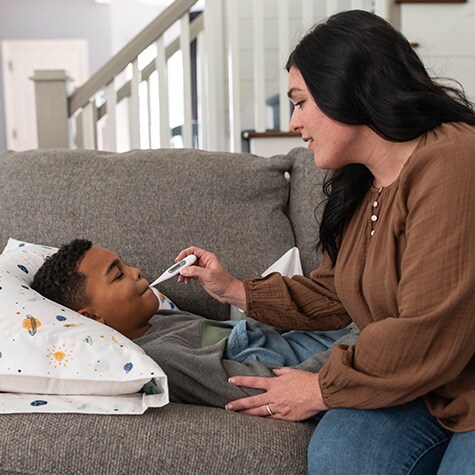
Where to go when your child is sick
If your child is sick or injured, it is important to know where to take them for care. Learn what can be treated at a pediatric urgent care center and a pediatrician's office.
Learn MoreWhile many rashes improve and go away on their own, contact your pediatrician if your child’s rash:
- Spreads quickly.
- Gets worse despite treatment.
- Has blistering, open or oozing sores that may become infected.
- Appears to be infected. You may notice pus, crusting or increased redness.
- Does not fade or go away after a few days of home care.
- Is accompanied by other symptoms, such as fever, drowsiness (more tired), trouble breathing, swelling or joint pain, purple spots or bruises not due to injury, or discomfort.
Seek immediate medical attention if your child’s rash:
- Appears suddenly after eating, taking a new medicine or being stung by an insect. This may be a sign of an allergic reaction.
- Is accompanied by other symptoms like vomiting, stiff neck or confusion. These may be symptoms of a more severe illness like a bacterial infection or meningitis.
“As a parent, you know your child best,” says Karen Dewling, MD, Pediatrician at Children’s Healthcare of Atlanta. “If you are unsure about the cause of your child’s rash or it isn’t getting better, it’s always worth checking in.” Your child’s doctor can help diagnose the rash, rule out infections and begin treatment if necessary. Early intervention can help prevent complications and make your child feel better sooner.
To help minimize the risk of rashes, keep your child’s skin clean, moisturized and protected from harsh irritants. Using gentle, fragrance-free skin care products and dressing your child in breathable fabrics can also help prevent common skin issues.
Other tips to help avoid rashes:
- Contact dermatitis: Avoid known allergens or irritants.
- Diaper rash: Change your baby’s wet and dirty diapers right away to avoid prolonged wetness.
- Eczema: To help alleviate flare-ups, keep the skin damp, avoid triggers and follow treatment regimens.
- Heat rash: Try to avoid being outdoors when it is hot and humid, dress in breathable, light-colored clothing, and maintain good ventilation.
- Viral illnesses: Practice good hand hygiene, cover coughs and sneezes, avoid sharing items like cups or utensils, and sanitize items and surfaces.

Karen Dewling, MD, is a board-certified Pediatrician at Children’s Healthcare of Atlanta. She provides pediatric primary care services at Children’s Johns Creek Pediatrics and Children’s Forsyth-Cumming Pediatrics. Dr. Dewling earned her medical degree and completed her internship and residency training at Johns Hopkins School of Medicine.
This content is general information and is not specific medical advice. Always consult with a doctor or healthcare provider if you have any questions or concerns about the health of a child. In case of an urgent concern or emergency, call 911 or go to the nearest emergency department right away. Some physicians and affiliated healthcare professionals on the Children’s Healthcare of Atlanta team are independent providers and are not our employees.