Pink Eye in Kids: What Parents Need To Know
Are you worried your child may have pink eye? Don’t panic. While pink eye can be contagious, it is very common in childhood. Here’s how to spot it, soothe it and help keep it from spreading.
Pink eye, or conjunctivitis, is an inflammation or infection of the conjunctiva, the clear tissue covering the white part of the eye and the inside of the eyelids.

What causes pink eye in kids?
Pink eye is often caused by:
- Viruses.
- Bacteria.
- Allergens, like pollen or pet dander.
Kids are especially prone to pink eye, because they touch their eyes and share items with others more often than adults. This is why pink eye can spread quickly in day care centers and schools.
Are there different types of pink eye?
The different kinds of pink eye include:
- Viral conjunctivitis: This is the most common type of pink eye found in children. It is a highly contagious form that is caused by a virus. It usually starts in one eye and spreads to the other. A child with viral conjunctivitis may have clear, watery tears along with a runny nose, cough or sore throat.
- Bacterial conjunctivitis: A highly contagious form of pink eye that is caused by bacteria. It may only affect one eye or start in both eyes at the same time. A child with bacterial conjunctivitis may have thick, gooey, pus-like discharge from their eye(s). Their eyes may also crust over, especially after sleep.
- Allergic conjunctivitis: This form of pink eye is not contagious. It is caused by exposure to allergens like pollen, pet dander, dust mites or mold. A child with allergic conjunctivitis may have itchy, watery and puffy eyes in addition to sneezing or a runny nose.
- Chemical conjunctivitis: This form of pink eye is not contagious. It is caused by exposure to an irritating substance like smoke, chlorine, air pollution, dust or chemicals. A child with chemical conjunctivitis may have red, irritated eyes that burn or sting.
What are some common pink eye symptoms in kids?
Pink eye in kids can cause:
- Redness in one or both eyes.
- Itching or burning of the eyes.
- Swelling of the eyes.
- Increased tearing or a yellow or green discharge from the eyes that can crust over (especially after sleep).
If a child has a fever, swollen lymph nodes or has had recent contact with someone with pink eye, they may have a contagious form. On the other hand, if a child is sneezing or has a runny nose, it may be allergy related.
“While pink eye often resolves on its own, it can be contagious and uncomfortable,” says Karen Dewling, MD, Pediatrician at Children's Healthcare of Atlanta. “Prompt care from your child’s pediatrician can help your child recover more quickly and prevent infection from spreading.”
We recommend seeking care from your child’s pediatrician if your child has:
- Been around someone with pink eye, and now they have symptoms.
- A yellow or green discharge from their eyes.
- Symptoms that worsen and last beyond a few days.
- Eye pain.
- Blurred vision.
- Sensitivity to light.
- Visual changes.
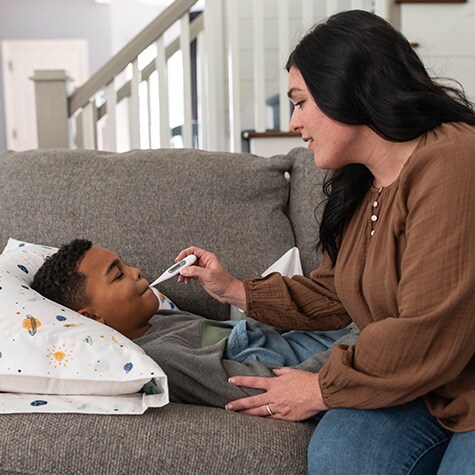
Where to go when your child is sick
If your child is sick or injured, it is important to know where to take them for care. Learn what can be treated at a pediatric urgent care center and a pediatrician's office.
Learn MoreHow is pink eye treated in kids?
Treatment for pink eye depends on the type of pink eye. Talk to your child’s doctor about possible treatment options.
- Viral conjunctivitis: Viral pink eye will usually clear up on its own within one to two weeks without treatment. Antiviral medicines may be prescribed for more severe cases. To help relieve symptoms, use a cool compress or artificial tear drops.
- Bacterial conjunctivitis: Bacterial pink eye will usually clear up on its own within two to five days without treatment. An antibiotic may be prescribed to help prevent the spread to others and to shorten the duration of the infection.
- Allergic conjunctivitis: Allergic pink eye usually improves when the allergen is removed from the environment. Allergy medicines and prescription eye drops can help relieve symptoms.
- Chemical conjunctivitis: Flush the eye immediately with clean water or saline and seek medical attention.
How can I stop the spread of pink eye?
The best way to prevent the spread of pink eye is through good hand hygiene. Wash your hands before and after touching your eyes, nose and mouth. Be sure to sanitize objects and toys that are commonly touched.




Karen Dewling, MD, is a board-certified Pediatrician at Children’s Healthcare of Atlanta. She provides pediatric primary care services at Children’s Johns Creek Pediatrics and Children’s Forsyth-Cumming Pediatrics. Dr. Dewling earned her medical degree and completed her internship and residency training at Johns Hopkins School of Medicine.
This content is general information and is not specific medical advice. Always consult with a doctor or healthcare provider if you have any questions or concerns about the health of a child. In case of an urgent concern or emergency, call 911 or go to the nearest emergency department right away. Some physicians and affiliated healthcare professionals on the Children’s Healthcare of Atlanta team are independent providers and are not our employees.