Is My Child's Behavior Normal?
As a parent, it’s natural to be curious about your child or teen’s behavior. Is your child’s behavior normal or a sign that they need additional help and support?
Children reach different milestones, including behavioral milestones, as they grow.
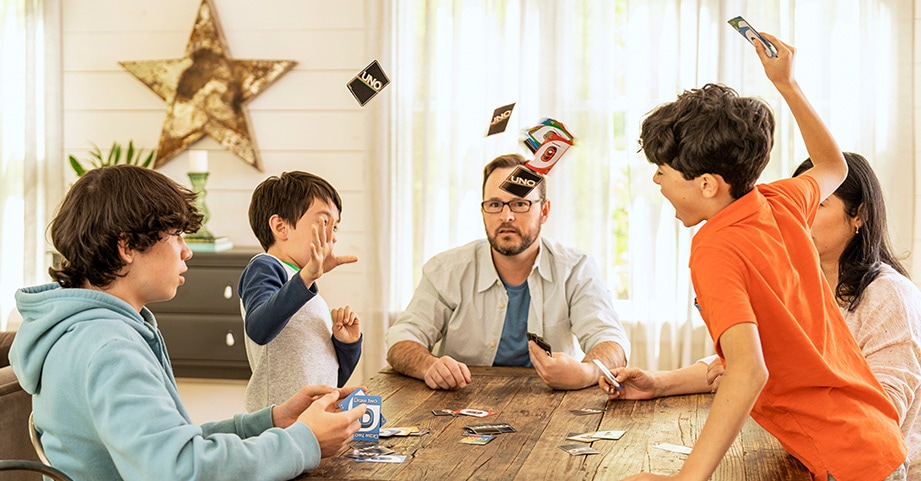
These are a few normal behaviors you may see:
- Toddlers may be defiant and test limits as they gain independence.
- School-age children may show frustration during academic transitions.
- Teenagers often display mood swings as hormones and social pressures increase. They may also start with withdrawal, which is a sign of wanting autonomy and independence.
- All children may act out as a reaction to a major life change, like moving, divorce or issues at school.
These behaviors usually improve with consistent routines, clear expectations and supportive communication.
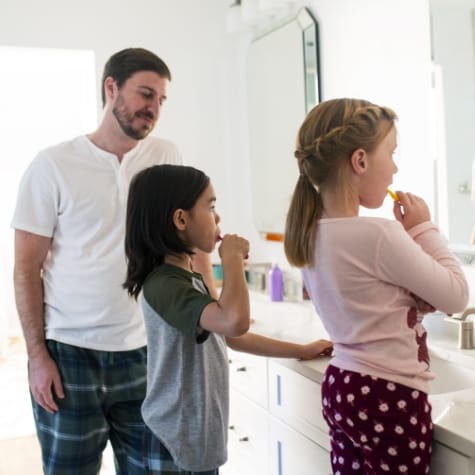
Creating and sticking to an effective family routine
Routines are important for everyone. When we establish routines, everyone knows what to expect, which can create a sense of comfort and safety.
CREATE A ROUTINE“Parenting a child with behavioral issues is one of the most common and demanding aspects of parenthood,” says Karen Dewling, MD, Pediatrician at Children’s Healthcare of Atlanta. “Understanding the root cause and using effective strategies for management can make a significant difference in day-to-day life.”
How can I help my child with behavioral issues?
- Identify triggers. Observe your child to identify specific triggers that lead to their behavioral issues. Triggers may include tiredness, hunger, changes in routine or environmental factors.
- Talk about feelings. Children often act out because they can’t express their emotions effectively. Encourage your child to talk about their feelings. This can help them understand and manage their emotions better.
- Stay calm. When addressing behavioral issues, speak calmly and clearly. Avoid yelling or using harsh language as this can escalate the situation.
- Keep a routine. Maintaining a consistent daily routine provides kids with a sense of security and predictability, which can help reduce behavioral issues. Schedule times for meals, homework, play and sleep.
- Set clear rules. Make sure your child understands what is expected and the consequences of not following the rules.
- Provide encouragement. Acknowledge your child’s efforts, even if they don’t succeed. This helps build self-esteem and motivates them to keep trying.
- Reward good behavior. Praise your child when they exhibit good behavior. Consider using a reward system, such as stickers or extra playtime to reinforce these actions.
Resources and tips to help support your child and encourage positive behavior at home.
Temporary changes linked to stress, fatigue or schedule disruptions typically resolve without medical intervention. A child may benefit from a behavioral health evaluation if you notice your child is:
- Showing persistent aggression, frequent emotional outbursts, or extreme defiance that often disrupts home or school life.
- Withdrawing from friends or family, experiencing significant changes in sleep or appetite and losing interest in previously enjoyed activities.
- Having repeated difficulty focusing, impulsive actions that cause harm, or intense anxiety that interferes with daily functioning.
- Showing hostile feelings towards others or purposefully damaging or destroying items that belong to others.
- Threatening to harm themselves, other children, pets or adults.
- Skipping school or seeing a decline in grades.
- Stealing, smoking, vaping, using drugs or participating in unlawful behavior.
These patterns may suggest underlying behavioral health issues that benefit from early intervention and support.
What is a behavioral health evaluation?
A behavioral health evaluation is a comprehensive process that allows your child’s doctor to distinguish between situational challenges and medical conditions that may require targeted care, such as anxiety, depression and ADHD.
During a behavioral health evaluation, your child’s pediatrician may:
- Perform a complete medical exam to ensure there are no underlying medical conditions contributing to the behaviors.
- Review developmental history, school performance and family dynamics.
- Conduct a detailed discussion about the child’s behavior, environment and recent changes.
- Observe your child’s behavior and record any signs you or others have observed.
To treat more serious behavioral issues, your child’s doctor may recommend a combination of treatments, including:
- Individual, group or family counseling.
- Lifestyle modifications, including diet and exercise.
- Medication (if necessary).
- Specialty care with a child psychologist or other specialist (if necessary).
“Early evaluation and prompt attention to concerning behaviors can help build coping skills to support healthier outcomes and reduce long-term challenges,” says Dr. Dewling. “Your child’s pediatrician can help coordinate referrals for therapy or additional services if needed.”
Will my child require follow-up care?
Parents often feel relieved when they finally have a plan, but lasting progress comes with regular monitoring with your child’s doctor as symptoms can change quickly as school and life demands shift, sleep patterns change and family routines evolve. Follow-up care allows your child's doctor to track trends over time and identify what is working and what needs to be adjusted.
Regular check-ins are used to:
- Measure progress.
- Identify barriers.
- Keep care coordinated across home, school and counseling (if needed).
- Monitor medication (if needed).
Over time, regular monitoring can help reduce crises and build healthier daily patterns.



Karen Dewling, MD, is a board-certified Pediatrician at Children’s Healthcare of Atlanta. She provides pediatric primary care services at Children’s Johns Creek Pediatrics and Children’s Forsyth-Cumming Pediatrics. Dr. Dewling earned her medical degree and completed her internship and residency training at Johns Hopkins School of Medicine.
This content is general information and is not specific medical advice. Always consult with a doctor or healthcare provider if you have any questions or concerns about the health of a child. In case of an urgent concern or emergency, call 911 or go to the nearest emergency department right away. Some physicians and affiliated healthcare professionals on the Children’s Healthcare of Atlanta team are independent providers and are not our employees.