Well-Child Visits
Well-child visits are important for children of all ages to track growth and development, make sure they’re meeting appropriate milestones, and to stay up to date on health screenings and vaccines. Learn what to expect and how you can prepare for your child's visit.
Well-child visits are regularly scheduled checkups with your pediatrician that help support your child’s overall health and well-being. They are recommended for all babies, kids and teens.
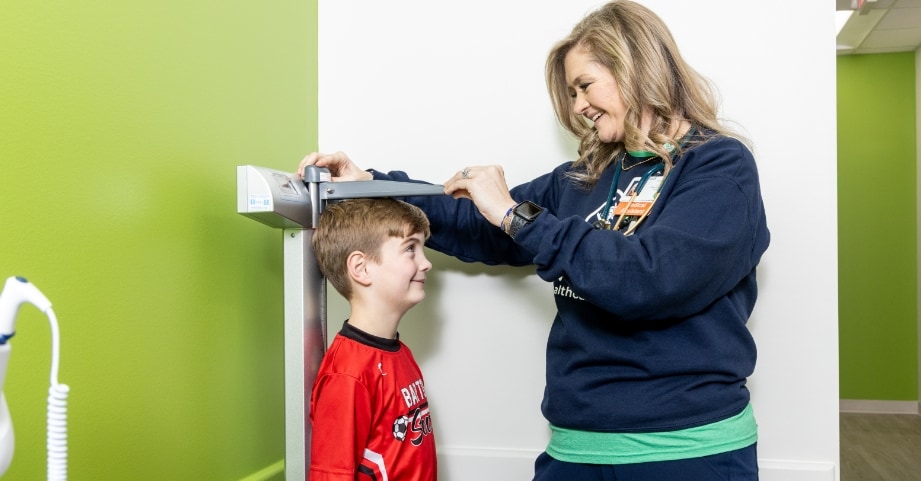
Why are well-child visits important?
Even if your child seems happy and healthy, well-child visits are crucial to their health and well-being. Well-child visits provide an opportunity to:
- Monitor and track your child’s growth and development to make sure they are meeting appropriate developmental and behavioral milestones.
- Provide preventative care through health screenings and vaccinations.
- Identify any potential health issues before they may become serious.
- Monitor chronic conditions, like asthma, diabetes and allergies to help prevent complications and reduce the severity of symptoms.
- Educate you on important topics such as safety, health and nutrition, and physical activity.
- Build a trusted relationship with your pediatrician.
- Ask questions or address any concerns about your child’s physical, emotional, mental or developmental well-being.
We recommend scheduling your well-child visits according to the schedule below:
- 3 to 5 days after being born
- 1 month old
- 2 months old
- 4 months old
- 6 months old
- 9 months old
- 12 months old (1 year)
- 15 months old
- 18 months old
- 24 months old (2 years)
- 30 months old (2 ½ years)
- Annually from 3 to 20 years old
“During a well-child visit, your child will receive a physical exam, as well as any immunizations needed,” says Elizabeth LeDuc, MD, Pediatrician at Center for Pediatric Wellness. “You will also have a chance to discuss any development or behavioral concerns with your child's pediatrician.”
Well-child visits by age
Here’s a look at what you can expect during a well-child visit for each stage of childhood:
Well-child visits for newborns should be scheduled 3 to 5 days after birth, 1 month and 2 months. Your baby is growing rapidly during this time, so regular checkups are essential. During these visits, your pediatrician may:
- Perform exams and screenings. This includes a physical exam and measurement of your baby’s length, weight and head circumference.
- Assess developmental milestones. You may be asked questions about your newborn’s development including physical, language and behavioral milestones.
- Ask about your baby’s eating and sleeping patterns. You may be asked to discuss your newborn’s eating and sleeping habits. The doctor may ask questions like “How many wet diapers does your baby have every day?” and “Where does your baby sleep?”
- Talk about important safety measures. Topics may include home safety (ex. baby proofing, medication, fire, pet safety) as well as safe sleep, car seat and water safety.
- Give any scheduled vaccines. View a childhood vaccine schedule.
Well-child visits for infants should be scheduled at 4 months, 6 months and 9 months. Your baby is growing rapidly during this time, so regular checkups are essential. During these visits, your pediatrician may:
- Perform exams and screenings. This includes a physical exam and measurement of your baby’s length and weight. The doctor may also check to see if your baby has any new teeth.
- Assess developmental milestones. You may be asked about your baby’s development including physical, language and behavioral milestones. Your pediatrician may ask questions like “Is your baby rolling over?” and “Do you do tummy time?”
- Ask about your baby’s eating and sleeping patterns. Topics may include sleep habits, feeding tips and when to introduce solids.
- Talk about important safety measures. Topics may include home safety (ex. baby proofing, medication, fire, pet safety) as well as safe sleep, car seat and water safety.
- Give any scheduled vaccines. View a childhood vaccine schedule.
Well-child visits for toddlers should be scheduled at 12 months, 15 months, 18 months, 24 months (2 years) and 30 months (2 ½ years). During these visits, your pediatrician may:
- Perform exams and screenings. This includes a physical exam, hearing exam, vision screening and oral exam. Your pediatrician may recommend that your toddler start seeing a dentist. Your pediatrician will assess your child’s developmental milestones including speech and gross motor skills as well as height and weight. Your child may also be screened for autism spectrum disorder.
- Ask about nutrition and sleep. You may be asked about your child’s eating and sleeping habits. Your pediatrician may ask questions like “How many hours does your toddler sleep at night?” and “Does your child eat fruits and vegetables?”
- Assess developmental milestones. You may be asked about your child’s language development as well as physical and developmental milestones. Your pediatrician may ask questions like “Can your toddler drink from a cup?’ and “Have you started potty training?”
- Discuss your child’s social and emotional development. Topics may include big feelings, behavior, playing with others, favorite things, screen time, etc.
- Talk about important safety measures. Topics may include home safety (ex. baby proofing, medication, fire, pet safety) as well as car seat, internet, playground and water safety.
- Give any scheduled vaccines. View a childhood vaccine schedule.
Well-child visits should be scheduled every year for children aged 3 and 4. During these visits, your pediatrician may:
- Perform exams and screenings. This includes a physical exam, hearing exam and vision screening. The doctor will also assess your child’s speech and gross motor skills as well as measure and track their height and weight.
- Ask about nutrition and sleep. You may be asked about your child’s eating and sleeping habits. Your pediatrician may also ask questions like “How many hours does your child sleep at night?” and “What are your child’s favorite fruits and vegetables?”
- Ask about developmental milestones. You may be asked about your child’s language development as well as physical and developmental milestones. Your pediatrician may ask questions like “Can your child can dress themselves?” or “Is your child potty trained?”
- Discuss your child’s social and emotional wellness. Topics may include big feelings, preschool, friendships, screen time, etc.
- Talk about important safety measures. Topics may include car seat, internet, playground, medication, firearm and swim safety.
- Give any scheduled vaccines. View a childhood vaccine schedule.
Well-child visits should be scheduled every year for children aged 5 to 11. During these visits, your pediatrician may:
- Perform exams and screenings. This includes a physical exam, hearing exam and vision screening. The doctor will also measure and track your child’s height, weight, pulse, temperature and blood pressure.
- Ask about nutrition, sleep and physical activity. You may be asked about your child’s eating and sleeping habits. They may also ask about your child’s physical activity and if they participate in any sports.
- Discuss your child’s social and emotional wellness. You may be asked questions about your child's school, friendships, bullying, peer pressure, social skills, screen time, etc.
- Talk about important safety measures. Topics may include internet, playground, medication, firearm and swim safety.
- Give any scheduled vaccines. View a childhood vaccine schedule.
Well-child visits should be scheduled every year for tweens and teens ages 12 to 14. Your teen may meet with their pediatrician privately during a portion of the visit. During these visits, your pediatrician may:
- Perform exams and screenings. This includes a physical exam, hearing exam and vision screening. The doctor will also measure and track your child’s height, weight, pulse, temperature and blood pressure. Your child may also be screened for high cholesterol.
- Ask about nutrition, sleep and physical activity. Your child may be asked questions about their eating and sleeping habits. They may also be asked about their physical activity and if they participate in any sports.
- Discuss your tween or teen’s social and emotional wellness. Your child may be asked questions about school, friendships, bullying, peer pressure, social skills, stress, depression, screen time, etc.
- Talk about important safety measures. Topics may include internet, swim, medication and firearm safety, as well as risky behaviors like smoking, vaping, drinking and sex.
- Give any scheduled vaccines. View a childhood vaccine schedule.
Well-child visits should be scheduled every year for teens. Your teen may meet with their pediatrician privately during some or all of the visit. During these visits, your pediatrician may:
- Perform exams and screenings. This includes a physical exam, hearing exam and vision screening. The doctor will also measure and track your teen’s height, weight, pulse, temperature and blood pressure. Your teen may also be screened for high cholesterol, high sugar levels, hormonal imbalances or thyroid dysfunction.
- Ask about nutrition, sleep and physical activity. Your teen may be asked questions about their eating and sleeping habits. They may also be asked about their physical activity and if they participate in any sports.
- Discuss your teen’s social and emotional wellness. Your teen may asked questions about school, plans for the future, friendships, bullying, peer pressure, stress, depression, screen time, etc.
- Talk about important safety measures. Topics may include internet, swim, medication, firearm and driver safety, as well as risky behaviors like smoking, vaping, drinking and sex.
- Give any scheduled vaccines. View a childhood vaccine schedule.
While well-child visits are an essential part of your child’s healthcare, we recognize appointments can sometimes be stressful, especially if your child is nervous or anxious about the visit. Here are a few tips to help you prepare.
Well-child visit checklist
Make sure you have the following before going to your child’s well-child checkup:
- Insurance card
- Photo ID of the child’s legal guardian
- A list of your child’s medicines and dosages (if applicable)
- Any required paperwork or vaccination records
- Questions or concerns you would like to discuss with your child’s pediatrician
- Snacks, books, toys and/or comfort items
Prepare your child for a well-child visit
- Explain what will happen: Depending on your child’s age, explain the basics of the visit. Keep it simple and positive. Be sure to answer any questions your child may have.
- Pretend play: For younger kids, you can play pretend before the visit. For example, pretend to listen to the heart of one of your child’s stuffed animals.
- Vaccines: If your child is scheduled for a vaccination, bring distraction and comfort items.
Helping Your Kids Stay Healthy and Safe




Elizabeth LeDuc, MD, is a board-certified Pediatrician at Children’s Healthcare of Atlanta. Dr. LeDuc has been practicing pediatrics in the metro Atlanta area for more than 20 years and currently leads Center for Pediatric Wellness, a pediatric primary care practice in Sandy Springs.
This content is general information and is not specific medical advice. Always consult with a doctor or healthcare provider if you have any questions or concerns about the health of a child. In case of an urgent concern or emergency, call 911 or go to the nearest emergency department right away. Some physicians and affiliated healthcare professionals on the Children’s Healthcare of Atlanta team are independent providers and are not our employees.