Season 1: Episode 4
Hope and Will: A Parenting Podcast from Children's Healthcare of Atlanta
Just One More Bite: How to Curb Picky Eating and Create Healthy Relationships with Food
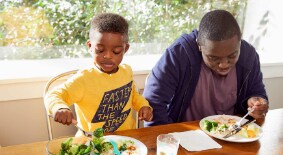
Find yourself saying, “Just one more bite?” Have a kid who’s stuck on plain pasta with parmesan? Fresh out of snack ideas? Katherine Shary, a registered and licensed dietitian from our Strong4Life team, joins us for an engaging conversation about how to make mealtimes less stressful for everyone at your table—without becoming a short-order cook. From meals to snacks, Katherine dishes out tips to help “picky eaters” develop a healthy relationship with food.
Listen to this episode on your preferred podcast platform: Apple Podcasts, Spotify or Amazon Music.




[VOICEOVER INTRO]
You're busy and you want the best for your kids. We're here to help. This is Hope and Will, a parenting podcast from Children's Healthcare of Atlanta.
[Host] Lynn Smith: From the earliest days of memes and social posts, parents have taken to humor to cope with a seemingly universal challenge associated with feeding time. Do you hear this from your kids? “It's too hot. It's too cold, too soft, too hard. I only liked that yesterday.” We can all relate from toddlers to high schoolers. Mealtime can be one of the most stressful times for a parent.
Hi, I'm Lynn Smith and welcome to Hope and Will, a parenting podcast from Children's Healthcare of Atlanta where we share real stories from real families and clinical insight from pediatric specialists, many of whom are parents just like you. On today's episode, we'll be speaking with pediatric dietician and mom of one with another on the way, Katherine Shary. Katherine is here to help us all navigate picky eating for kids of all ages, and make sure you stick around until the end of the interview because we'll also be asking Katherine, a lot of the questions we received from you on our social media channels.
Katherine, thanks so much for being here. What made you get into this? Why were you so passionate about healthy eating for kids?
Katherine: Thanks for having me. Lynn. I've been a dietician now for over 10 years. I've always loved nutrition, and I've worked with adults in multiple different disease states, but kids have always been a passion for me and really this is my dream job. If you told me 10 years ago that I would be working here and being able to help families, help kids, even help healthcare providers learn how to present a positive pressure-free mealtime for kids, I wouldn't believe it. I got here like most people get to their dream jobs—going through many jobs that weren't my dream job and learning that I really did like kids and honing in on that skill and perfecting that skill and learning more about it and how I could help families.
Lynn Smith: I think that it's so key that you said a pressure-free environment when you're eating. I know this as a mom, we feel like there's this intense pressure we need them to eat because then they're going be hungry when they go to bed. How do you just begin starting to set up that environment?
Katherine: A lot of times as parents, we do too much. We really need to take a step back and look at our own eating behaviors and where are we coming from and how did we grow up. Were we pressured to eat and finish our plate? You have to try a bite of your vegetables before you leave. A lot of that we take with us, and we instill it in our kids. It is a cycle that we are trying to break that we don't do that for our kids. Really taking inventory on your own food behaviors first and where you came from and where you grew up and what you are bringing to the table will help you understand this bias that you might have with food. Is it calories? Is it because they need to gain weight? And a little bit understanding yourself first and then being able to say, okay, here are the changes that I need to make so my child doesn't end up having these behaviors when they go into adulthood.
Lynn Smith: And we might not even be realizing that we're doing this right, like the trauma from sitting there for four hours because you won't eat your Brussels sprouts. You may be passing out to your kids. So, what do you consider a healthy meal?
Katherine: So, a healthy meal is anything that is balanced, and a lot of people think that there's good food and there's bad food. We don't want to go out to eat, and we don't want to eat French fries, but that's just not the case. It's all about balance. A healthy meal can be a peanut butter and jelly sandwich with some canned green beans, a fruit cup and some goldfish on the side. It does not have to be a five-course meal. It doesn't have to be asparagus and baked chicken every time. It can be simple things, as long as we're looking at balance.
Lynn Smith: And someone may say, “Wait, she said goldfish.” It's okay. And it's funny that you say that because we got a social media question of how many dinosaur nuggets are too many dinosaur nuggets, because I do this too. I have these dinosaur nuggets that have the vegetables blended into them, so we feel like we're doing something good. Is it okay to have that junk food?
Katherine: Yes, it's absolutely fine. We do not want to be labeling foods as bad or off limits. When we do that for kids, they start to overvalue those foods. They are going to overindulge when they are away from us, when they go to a friend's house, when they go out to eat somewhere. They're going to want to overeat those foods because we have set them on this pedestal that, you know, they're only for special occasions or we can only have a certain amount, so we limit them. When it comes to Dino nuggets, it's okay to have them sometimes. Once again, it's about balance. Are we going to have a whole plate of 10 Dino nuggets? Preferably not, and what we would have instead is maybe three or four. Then go ahead and have some fruit, some vegetable with it and balance it out a little bit.
Lynn Smith: Guilty is charged on that. The Doritos thing, my son goes to a friend's house, and he is like binging on them because I keep it away from him. How do you have that conversation with your kids so they understand the concept of balance?
Katherine: We want to role model for them. It's okay to have Doritos, but instead of eating from the bag, taking them to the couch and things like that, have some as a family together. Put some in a bowl for you. Put some in a bowl for your son, and so they're going to see how we react to that food, how it's okay to have some chocolate. Put it with a meal.
This is a big question I get a lot of times is junk food with dinner, right? Chocolate with dinner. Yes. The answer is yes. Making our child eat certain foods before they can have another food is going to set them up for some disordered eating. Later on, they're going to have this, that I have to eat these gross vegetables before I can go ahead and have this wonderful, awesome chocolate; whereas, if we just put them together, they start to equal out in that child's mind. Of course the nutrition is different, but we start to devalue it. We start to think it's just a cookie. It's just a piece of chocolate. It's just some chips, and I feel okay to eat the amount that I want to eat. I'm not going to overeat them because I may not have access to them later.
Lynn Smith: I really haven't thought of that, and it's one of those things where you don't know what you're setting your kids up for when you pressure them like that. Wat about this division of responsibility? You talk about how important this is.
Katherine: The division of responsibilities is really the framework for setting up that positive pressure-free mealtime, and it's understanding that parents have a role and your child has a role. At mealtime, a parent's role is to provide, it's to offer, and that's it. It's to provide the food, it's to provide the place and where we're going to eat the food, and it's also to provide the structure and the timing of when we're going to eat that. And then everything else is up to the child. And so you noticed, I didn't say it was the parent's job to get the child to eat, to determine how much they eat, to determine the order and which they eat those foods. If they have to eat the veggies first or the rice first, that is the child's job. So, the child's job is to decide. That's what we say. The child gets to decide if they want to eat dinner tonight, if they want to eat lunch today. They get to decide what foods they're going to eat from what is provided.
So as a parent, it's our job to provide a variety of foods, and if we provide pasta and meatballs and all that child wants to do is eat that pasta, we have to be okay with that. And that is a little bit tricky. And then lastly, it's a child's job to decide how much they eat. We don't get to dictate that they need to take one more bite of vegetables or two more bites of this type of food. We want to let that child honor and respect their internal hunger and fullness cues.
Lynn Smith: It's already stressing me out thinking about this because I'm thinking to myself, if they don't eat enough, they're going to go to bed saying, “I'm hungry.” So what do you do if your kid doesn't eat dinner? How do you balance and make sure they're getting the nutrition they need?
Katherine: So, I totally hear you because I have a child myself, and nobody wants to see their child go to bed hungry. But why do we think as adults, it's our job to determine our child's hunger level. So if our child says, “I'm not hungry and I don't want to eat dinner,” there's a couple things we can do as parents. Really that's setting the expectations, saying, “Okay, I hear you. You're not hungry, but I just want to let you know we're not going to eat again until breakfast.” If it's the afternoon, “Alright, you don't want to eat lunch, I understand. I just want to let you know we're not going to have food again until snack time.” Once we start to do this over and over, our child is going to start to realize, okay I either eat now or I'm simply not hungry, and I'm okay to wait until breakfast. It is okay if children do not eat every single meal. They are just like us as adults. Some days I'm hungry, some days I'm not. Some days I may not be feeling very well. Children are the same way. They're growing. Their body is going through so much, and sometimes they're focused on other things. They want to play. They want to have toys, and that is truly more important to them than eating. They will grow and develop if they miss a meal.
Lynn Smith: My mother would say, “He'll eat when he is hungry. He'll eat when he is hungry.” And you're right, they do. What about a picky eater though? I mean, I only ate pasta with butter and Parmesan until I was like 11 years old. So, what do you do? Are we hardwired that way? And is there anything we can do as parents?
Katherine: I like to say no. So, a child is not born a picky eater or an adventurous eater, right? A lot of times, it's a little bit self-fulfilling prophecy. If we label a child, as you know, this is Johnny, and he's a picky eater, right? He hears that over and over again. He hears that he doesn't like broccoli, that he doesn't like peaches because he's like, “I guess I don't like it. That's what my parent is telling cousins that I don't like that food. So, I probably don't like that food.”
The first thing I can recommend is do not label children as picky eaters. They might still be learning. They might still be exploring food. They might still be getting used to it, but the moment we put that label on them, they're probably going to fall right in line with being a picky eater. So that's the number one thing, is trying not to label it. But there definitely are kids who are going to be more cautious about food, who maybe don't want to try a new thing or try combination foods, and that is okay. We can help them work through that still in a positive way.
Lynn Smith: What about trying new foods? If we want to try and expand, I do something with my kids where I say, “Just try one bite. If you don't like it, you don't have to have any more of it.” But are there any other strategies that you have to get new foods into the mix?
Katherine: Yes. So the first one is don't even make them try one bite.
Lynn Smith: I'm doing it wrong again. No, this is why I asked.
Katherine: It’s not that you're doing it wrong. That's all well intended because we want them to expand their palette. We want our kids to try foods and grow and develop and so it comes from a well-intentioned place, but what we don't realize is that's really pressurizing to a child. It doesn't seem like much, but we do it over and over and they're like, “Every time I come sit down at the table, I know I'm going to have to try a bite, and I maybe don't want to.”
One of the things that we talk about is when we want to expand food preferences, we offer food that they like with a new food so it's not so overwhelming. A lot of times we call that a safe food. So you know that your child loves blueberries. Great. And today you're going to see if the new food's going to be broccoli. Offer blueberries and broccoli together and let it be because a child many times needs to see a food 10 to 15 times before they're even willing to try it. It seems like a lot, and it is a lot. It takes time and patience.
Lynn Smith: Patience. That's the key. What about this whole, it's a very big social media trend, cookbooks have it sneaking veggies into the food. That's what I do with my Dino nuggets. They come that way and it's awesome. But like in pasta sauces and things like that, is that a healthy relationship that kids have that they don't know that they're eating something healthy?
Katherine: It's not. So, Dino nuggets with veggies, mac and cheese made with butternut squash, right? All of your smoothies with spinach. We can eat those things. It's okay. I don't want to say don't ever eat them, but if we're eating them for the pure intention and underlying motive of getting this nutrition into our child, that's where we've kind of got it wrong. So go ahead, eat those foods. If you and your family enjoy them, fantastic, but a child is never going to expand their food preferences or learn to like vegetables if they don't see them. If they don't touch them, if they don't taste them and smell them—and just like I said, it can take 10 to 15 times for them to try it. We need to just continue to offer to put it on that plate and in small portions. I don't talk about portion sizes a lot because everybody is different, but when I say portions, I mean just a spoonful. Don't make it overwhelming. Put one broccoli spear on the plate or at the table, and eventually as that child sees you eat it, maybe their siblings eat it, other people eat it. One day they might be like, well, I might give it a try.
Lynn Smith: There's a theme in a lot of this that it's what you internalize that comes out to the children, and they model it. It's really in our hands to control this. We've been talking a lot about food. Let's talk about the drink side of this, because juice, soda, all of that sugar is leading to so much of the obesity in America that we're talking about. What can we do to have a healthy relationship with what they're drinking as well?
Katherine: So that starts young. Six months of age is when a child start to have sips of water. I've worked with child nutrition for so long, and I always think when it comes to veggies, we serve our child, those pure veggies, and they make funny faces, but we don't stop trying, right? We're like, “Oh no, they're going to eat some broccoli. They're going to eat some sweet potatoes.” We don't just give up, but for some reason we give up on water so quickly, right? They have that little taste of water. They make a funny face. They don't like water, so we automatically start switching to juice to these sugar sweetened beverages.
The first thing is don't give up on water. It's just like any other food. When we think water doesn't have a taste, it does have a taste. It can taste more mineral. It can taste just different to a child when they're starting out in life. So don't give up on the water. There are things that we can do to make it fun and include the child in it if we're already kind of stuck in that sugar sweetened beverage area, and we're drinking a lot. Start to cut it down slowly. We love to have kids pick out their own water bottles so they have ownership, just like lunches. Let them pick out their own lunchbox. Let them have that ownership. Putting fruits and veggies in it to give it a little bit of flavor is okay. And then my favorite, which my daughter loves, is we'll mash up raspberries. Put them in an ice cube tray. Freeze them, so then they start to melt and make that water flavorful when she drinks it.
Lynn Smith: Totally stealing that idea today. I love that. My kids are obsessed with ice cubes, so they're going to melt that as well. How do you feel about food or drink as a reward? Like, “Hey, if you go do this, I'll get you a Sprite or I'll get you a candy bar.”
Katherine: You're probably going to guess what I'm going to say, and that's a hard no. Food as reward can truly lead to a lot of disordered eating later on in adulthood to binge eating, to sneaking food. And the thing is, once again, it's so well intentioned. A parent is not thinking about the long-term benefits. A lot of times, food rewards, they work, right? They do. What type of reward doesn't work in the immediate, but what we're doing is setting that child up for a lifetime of an unhealthy relationship with food, so we want to use other things besides food as a reward. If they don't want to eat their broccoli, then that's fine. Don't eat your broccoli. If dessert was on the menu, they can actually have dessert without eating their broccoli, and it's okay. It is okay to do those things going to the grocery store. “If you behave, I'll get you a cookie. We're going to the grocery store. Let's pick out some food together.” Done. We don't bring an outside junk food into the equation, right? A lot of times it starts out very young, and we see it in commercials, we see it in movies, right? We go grab that tub of ice cream if we're feeling sad or if we had a breakup and we see those things out in the media and we think we should do them, but really, we need to be there for our kids. They have big emotions. When they fall down and scrape their knee, they're going to cry and they're going to want you. They don't need a candy. Of course, yeah, I will stop crying for candy in this moment because it's delicious, but what they really need is us as their parent to be by their side in these big emotions when they're going through adolescence and when they're going through breakups. When they're young kids, and they're just figuring out what is this feeling that I'm even feeling. And a lot of times we use food to soothe. We have to learn to break that cycle and just be there.
Lynn Smith: And I'm imagining the same with reward goes for punishment. Like if you do this, you're going to lose your ice pop or whatever it is. Right? And that's just that unhealthy relationship that you talk about, right? There's this idea of food jag. What is that?
Katherine: So, a food jag is when a child wants to eat the same food over and over, at every meal, all the time. That's developmentally appropriate, and that is normal. That doesn't typically mean that there's any issues going on with that child, but we can help break them of that. We want to recognize that it's normal. So, okay, they want to eat peanut butter and jelly all the time, but there's certain things we can do. We can change out the bread today. We can be like, “I have a bagel instead of wheat bread, or I'm going to put your peanut butter on a cracker.” We could change out the flavor of the jelly. There are so many different flavors knowing that it's normal, but we can help a child progress out of it by making slight changes.
Lynn Smith: It's funny because one of the questions we got on social media is, “Is it okay that my little one eats the same meal four to seven days a week?” So yes, it's approved.
Katherine: So typically, yes. I don't know that specific child, but they are probably based on the age. Food jags typically happen anywhere from 2 to 6, and so it is really normal for a child to really just get attached to a food and love it and want to eat that food. Keep in mind what we talked about earlier. If they want to eat that same food over and over, go ahead. That's their comfort food. That's their safe food. Try and add a new food with it. Right? Try and add one small thing with it and we'll help progress them out of it.
Lynn Smith: I have a lot of questions that we got on social media. I would imagine for you it's kind of like if you have a lawyer in the family, everyone's always asking you questions. Do you get that a lot?
Katherine: I get a lot of food questions, yes. Sometimes people always don't want to hear my answers because there's not an overnight fix a lot of times. I get a lot of food questions.
Lynn Smith: Let's get to some of these social questions. We had one person asking, “Can sensory play help open a window for a child to be willing to try new foods?”
Katherine: A hundred percent, yes. I kind of want to rearrange that question. Sensory play is, it's a big thing, right? You have your sensory boxes now, it's great. Let's just say, is it okay for my child to get messy while eating? Yes. That's what sensory play is when it comes to food. We need and want that child to be messy when they are eating. That is what is going to help them have that healthy relationship with food, getting that spaghetti all over their face, squishing those bananas in their hands, being able to touch and feel that food themselves and not being fed that food is what we can call sensory play, but it's simply eating.
Lynn Smith: Gosh, I'm so guilty of this where I'm just trying to get food and I'm just literally putting it in his mouth because he is little and he is running around and I'm just feeding him, but you want to make sure that they are fed. And that's another question we have. When should we offer an alternative versus just letting them go hungry?
Katherine: You don't want to become a short order cook and make four different meals. We want to go back to offering a new food with something that they like. We don't really ever resort to that. We don't say, “Okay, they're just not going to eat. Let me go make them a grilled cheese sandwich today.” We want to start taking that off the table, so they realize this is the meal that we're going to have—either I am hungry or I'm not hungry. If they want to go play and they don't want to eat, as a parent, it's much easier said than done, but we have to be okay with that. We have to say, “Okay, I totally hear you. Just want to let you that I'm not going to offer you food again until snack time, but if you're thirsty, I've got water.” We always can offer water in between.
Lynn Smith: I love this question because I'm looking for ideas on this too. She says, “I always run out of ideas for snacks. Can you share some go-to snacks you keep in your pantry for your daughter?”
Katherine: Snacks are great because we want kids to eat, and that's one thing I want to make sure that people realize is that we need to eat. Okay. Snacks are great. Snacks are good. Kids should be eating three meals, and the younger ones two to three snacks a day. Pantry snacks are easy. Throw in the purse. Throw in the diaper bag—things like fruit cups, freeze dried fruit. Raisins are great. We love cereal. Making your own homemade trail mix is fantastic. Let the kid help. Put some pretzels in a bowl. Put some Chex Mix in a bowl. Maybe put little chocolate chips in there, right, because it lets that child see the balance and see that it's okay to have a little bit of this and a little bit of that.
Lynn Smith: I gave my son trail mix and all he did was eat the M&Ms. We got one question saying, “Sometimes I'll rebrand food to get my son to try something I know he'll like. For example, I'll call a rotisserie chicken dinosaur meat, and he gobbles it up. Is there anything wrong with that?” I'm going to steal that idea.
Katherine: if you say it's okay, there's nothing wrong with that. As long as there's not pressure to eat it. So, a hundred percent, we can name foods fun names. We can call them, you know, superhero nuggets. We can do whatever we want, and that is completely fine.
Lynn Smith: How can you tell the difference between a common picky eater and one that really has an issue, one that you have to be concerned about?
Katherine: There are some signs for picky eating and then what we kind of call problematic eating, where we would want to encourage that parent to reach out to their pediatrician to possibly get a referral. Some of those things are having a difficult time transitioning. If your child is having a really difficult time transitioning for maybe purees to solid foods, and they're past a year and there's continual gagging, and things like. That's a sign that it's not that my child doesn't like this food, it's that there might be something more going on. Really needing to take inventory of what is my child eating and how many foods can I eat? I get it all the time as a dietician. “My child eats nothing.” And then I say, “Go ahead and tell me what yesterday was like.” Well, they did eat a lot, but it was things that the parents didn't deem as healthy, right? So, they're eating the chips and the cookies and they're drinking the juice and having multiple apple sauce pouches, and they're eating foods from all the food groups, but the parent wants them to eat what they think is healthy food. We need to take inventory of that. Are they truly skipping out on a whole food group? Are there really things that they are just not eating and cannot feel that they want to eat? So those types of behaviors are more of a red flag. Spitting out food. Making funny faces. Food jags, being stuck on certain foods. Those are all normal behaviors.
Lynn Smith: My kids love these fig bars, and they've got like 30 grams of sugar in them, but they're supposedly healthy—whole grain. It's got fruit in it. Should we really be micromanaging this sugar aspect of it and overstressing about it?
Katherine: Sugar is a big one. We want to look at it at that younger age, so we want to try to not offer added sugar younger than two years of age. There definitely is research out there that when we offer lots of sweet foods to kids, they develop a preference for it, and they develop a palette that they do want those foods. So, we want to try to not offer added sugar before the age of two.
Now, like I've been talking about, it's okay to have some junk food. We need that child to understand that there is a lot of food in this world and to help them learn the balance of it. So yes, we do have those fig bars and a lot of times the sugar is coming from the dried fruit in them because fruit does have sugar in it, so it's balancing it out. Instead of having two packs or maybe instead of having both the bars, have a bar with some fresh cut strawberries or have a bar with a cheese stick. We can help balance it out a little.
Lynn Smith: Such great advice. I know a lot of people struggle with what do the parents eat versus what the kids eat. So, they're making two meals. I love this question that we got on social media. It says, “We just started this. The parents set the menu, and you pick how much of it to eat. When he doesn't eat a lot, it stresses me out. Will he start eating more and increase his palette soon?
Katherine: That's fantastic. First of all, the first half where the parent is setting the menu, that's their job, right? I said it earlier. Their job is to provide that variety of food, and it is that child's job to decide what they're going to eat from that menu. So, everything that's happening in this family is great and wonderful, and the answer is typically yes. That child will expand their food preferences, but it doesn't happen overnight. Ten to 15 times a child needs to see a food to possibly even try it. They just need to keep on keeping on. Keep being the one to prepare that menu and letting that child be exposed to food so that they have the autonomy to decide when they're going to try it.
Lynn Smith: We love the idea of parents set the menu, but what do you think when it comes to having to all be at the table together Because let's be honest, we're all so busy. Maybe you want to have a nice quiet meal with your spouse after the kids go to bed. What's best advice on that?
Katherine: The best advice is to try and sit together as a family. I get that it can't happen every night, right? That's a lot, and maybe not every meal. If you think about it, there are 21 meals in a week, breakfast, lunch and dinner. Out of those 21 meals, can we pick a few? Are there some that we can sit down together as a family because they need role models? They need to see you drinking water or possibly milk. They need to see you eating your vegetables, your fruit and that everybody is eating the same food. We do want to sit down together as a family, but I get it in this world, it doesn't always work. And just like you said, yes, some nights I want to have a nice meal with my husband without it being five minutes and all the attention is on my child.
When we have those mealtimes, we want to make sure we're getting the most out of them and we want them to be distraction free. So no TV. No phone, no toys, and no homework. We really just want to sit down with our kids and enjoy that meal and not talk about the food. Talk about their friends. Talk about what we're going to do this weekend. Use that time to connect. Mealtimes should not be this, “Oh, we have to sit down together and eat because they're going to cry and scream.” It should be something that we all look forward to because it is a happy time because we're going to set plans for the weekend because we're going to get to talk about our day with each other. It is important to sit down together as a family, but making sure it's distraction free is a big deal.
Lynn Smith: And I love how you say, make sure there's laughter, make sure there's fun because mealtime can be fun. You gave us such good advice today, things that I'm really going to transform the way I handled mealtime because I'm realizing I'm doing a lot of this not wrong, as you say, just not in the most positive way for our kids. Katherine, thanks for being with me.
Katherine: so much for having me, Lynn, and I was happy to talk about it. Hopefully, this is helpful for you and everyone listening to provide positive pressure-free mealtimes for their kids and make mealtimes enjoyable for the whole family. So it can be fun. It can be fun, and we want to be able to remember those memories. A child isn't going to necessarily remember every food that was served, but they're going to remember mealtimes. We laughed at mealtimes. We joked at mealtimes. They always asked about my day. And that's what we want kids to take with them into adulthood and then start to instill in their children's lives.
Lynn Smith: Such a good point. Thanks for being with me. I want to thank Katherine for coming on the show today and offering such great insight into the best ways we can help navigate picky eating. So for more on this episode and our podcast content, visit choa.org/podcasts.
I'm Lynn Smith, and this has been Hope and Will, a parenting podcast from Children's Healthcare of Atlanta.
[VOICEOVER OUTRO]
This podcast is for general informational and educational purposes only. It is not to be considered medical advice for any particular patient. Clinicians must rely on their own informed clinical judgments when making recommendations for their patients. Patients in need of medical or behavioral advice should consult their family healthcare providers.
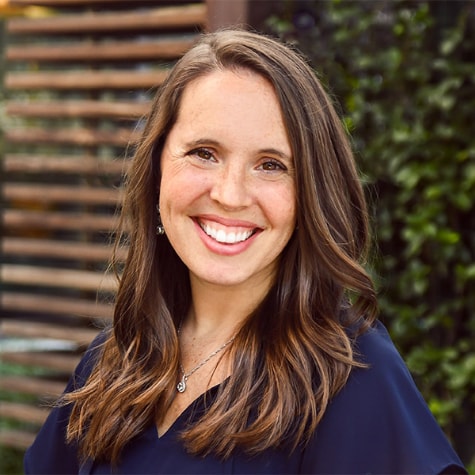
Katherine Shary, Registered and Licensed Dietitian
As part of our Strong4Life team, Katherine wears many hats: she coordinates training programs, oversees a certification program for dietitians and helps develop children’s books. At home, she’s Mom to a 4-year-old daughter and an infant son.

Lynn Smith
Lynn Smith is a veteran journalist, podcast host and mom of two boys. Her experience as the parent of a patient at Children’s inspired her to advocate for spreading awareness of childhood illnesses and injuries.

Raising Healthy Eaters
We want our kids to be healthy, safe and resilient. And healthy eating habits are a big part of overall child wellness. The good news is kids are born with the ability to build a healthy relationship with food. They just need guidance, support and trust to get them there.
Learn more