Acne in Teens: Tips for Prevention and Care
Acne may be a common part of adolescence, but for many teens it’s more than “just a pimple.” Acne can chip away at their confidence, cause extreme frustration and take an emotional toll. Learn how to help your teen prevent and treat acne.
Acne, a common skin condition in adolescence, is caused by hormonal changes that can lead to bumps or blemishes on the face, neck, shoulders, upper back or chest.
Type of acne in teens:
- Whiteheads: White, pus-filled blemishes that appear when pores become clogged with extra oil.
- Blackheads: Dark spots that appear when pores become clogged with extra oil.
- Pimples: Swollen, red bumps that appear when pores become clogged with extra oil and bacteria.
- Deep cysts: Large and sometimes painful, pus-filled pimples that are in deeper layers of skin.
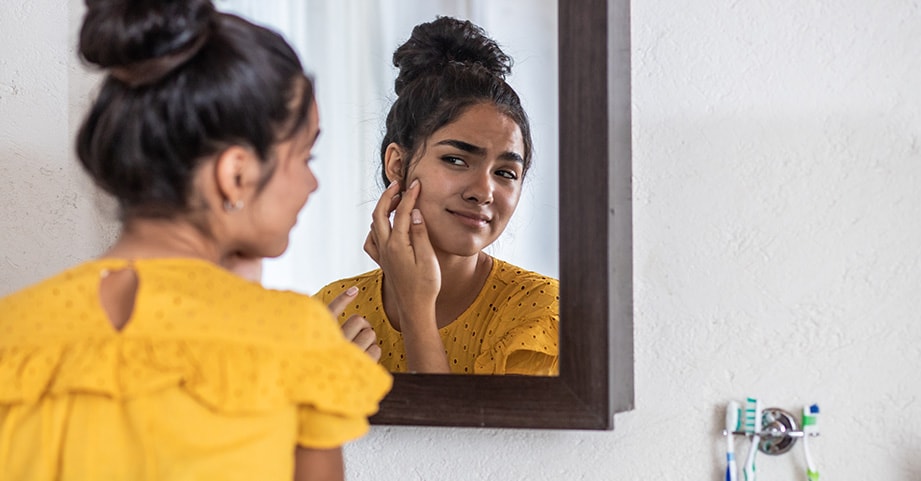
“Acne is caused by clogged pores,” explains Karen Dewling, MD, Pediatrician at Children's Healthcare of Atlanta. “During puberty, teens go through hormonal changes that increase oil production in their skin. Oil, dead skin and bacteria can get trapped in the skin’s pores leading to blemishes.”
What hormones cause acne in teens?
When teens go through puberty, there is an increase in androgens or sex hormones. The increase in hormones causes the oil glands to produce too much oil (sebum) causing pores to become clogged. Hormonal changes related to menstrual cycles (periods) may also trigger breakouts in girls.
Is acne hereditary?
While there is not a specific acne gene, acne can run in families. Genetics play a role in how a teen’s body reacts to hormones, including how much oil their glands produce, how their immune system responds to acne causing bacteria and how their body sheds dead skill cells.
Are there certain foods that can cause acne?
While food does not directly cause acne, some foods can make breakouts worse by affecting a teen’s hormones, oil production and inflammation. If a teen is prone to acne, try to limit dairy products, processed foods and foods high in sugar.
Does stress case acne in teens?
Stress does not directly cause acne; however, it can make current breakouts worse. When a teen is stressed out, their body releases cortisol which can cause skin inflammation and increase oil production leading to clogged pores.

The Good, the Bad and How To Cope
Stress is a necessary—and sometimes positive—force in a child’s life. But stress can easily overflow and become unhealthy. Here’s how to tell when your child is overly stressed out—and what you can do to help.
HOW TO MANAGE STRESSWhat can my teen do to help prevent acne?
- Establish a skin care routine. Using a gentle cleanser, wash face twice a day (morning and evening). Be sure to remove all makeup before bed. Do not scrub your face as this can cause skin irritation. You should also wash your body at least once and day and after you exercise or sweat. Use makeup and sunscreen labeled “non-comedogenic” and an oil-free moisturizer.
- Don’t touch. Try to avoid touching your face or other areas of your body that are prone to breakouts.
- Keep it clean. Regularly clean items that touch your face (ex. cell phone, glasses, pillowcase, helmets, etc.).
- Don’t stress. Stress can trigger an increase in oil production leading to breakouts.
- Wear loose fitting, breathable clothing. Avoid clothes that rub or cling to your body, especially in hot weather or when exercising.
Is it ok to squeeze or pop pimples?
As tempting as it may be, do not pop or squeeze pimples as this can make the situation worse. Popping or squeezing pimples can lead to an increased risk of irritation, infection, dark spots and scarring. It can also cause more breakouts.
What are the best acne treatments for teens?
In addition to having a regular skin care routine, over-the-counter acne treatments can be helpful for teens with mild acne.
- Face and body washes: Use a noncomedogenic, gentle face and body wash that contains benzoyl peroxide (tackles bacteria) or salicylic acid (helps remove dead skin).
- Gels, creams and pimple patches: When your teen notices a new pimple, use one of these products to spot-treat the blemish. Look for products that contain benzoyl peroxide, salicylic acid and/or retinoids (to help clear out pores).
"If the over-the-counter treatments are not working for your teen after two to three months of regular use, reach out to your child’s doctor to discuss alternative treatment options,” suggests Dr. Dewling.



Karen Dewling, MD, is a board-certified Pediatrician at Children’s Healthcare of Atlanta. She provides pediatric primary care services at Children’s Johns Creek Pediatrics and Children’s Forsyth-Cumming Pediatrics. Dr. Dewling earned her medical degree and completed her internship and residency training at Johns Hopkins School of Medicine.
This content is general information and is not specific medical advice. Always consult with a doctor or healthcare provider if you have any questions or concerns about the health of a child. In case of an urgent concern or emergency, call 911 or go to the nearest emergency department right away. Some physicians and affiliated healthcare professionals on the Children’s Healthcare of Atlanta team are independent providers and are not our employees.