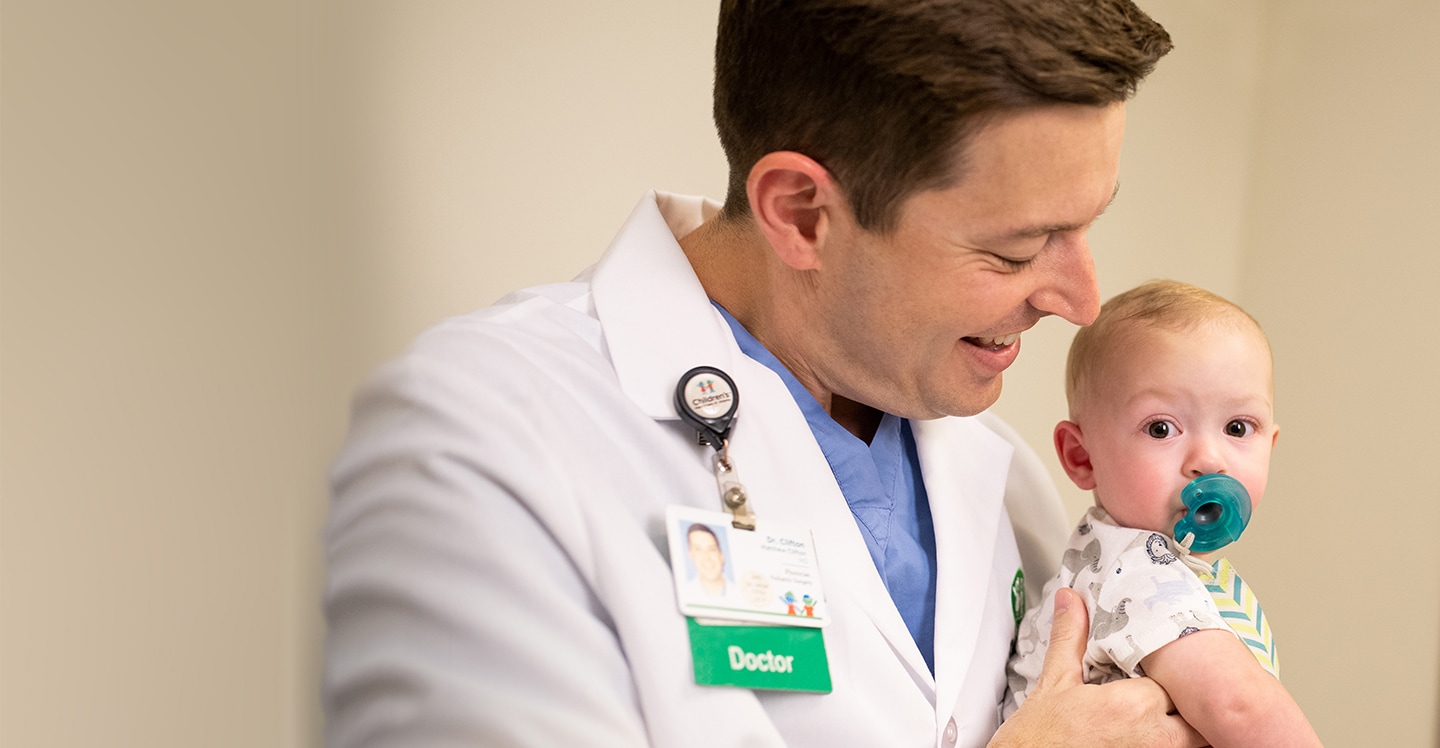
Evidence has shown that children do better when their surgical team specializes in caring for kids. When you walk through our doors, you can take comfort knowing our entire staff, from pre-surgery nurses and technicians to pediatric anesthesiologists and surgeons, has been specially trained to care for your child. Not only that, we perform more pediatric surgeries on kids and teens than any other hospital in Georgia.*
Our team understands how to keep kids and teens safe during surgery. Our physicians are leaders in research efforts to improve outcomes and help kids recover better after surgery. We work with specialists from many different areas to create guidelines for kids and teens who need surgery. These guidelines have helped us reduce complications, better manage post-surgery pain and get kids home sooner.
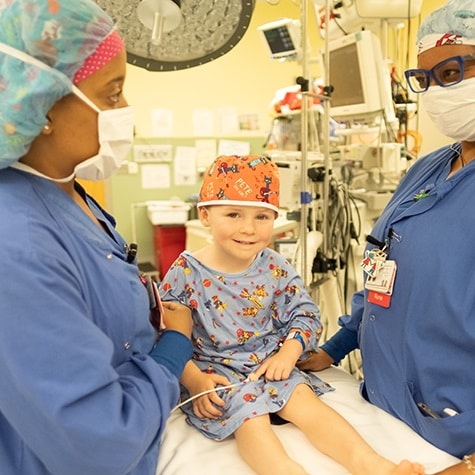
We are the first facility in Georgia with a Level 1 Children’s Surgery Verification.
We have earned Level 1 status from the American College of Surgeons for Children’s Surgery Verification—its highest designation. No other hospitals in Georgia have achieved this level. So when your child needs surgery, you can take comfort in knowing he is in a facility that meets the highest distinction.
Learn moreThere are key differences in the size and shape of the airway that can make intubation (inserting a breathing tube before surgery) in children more difficult. It’s important to have a pediatric-trained anesthesiologist who knows how to safely provide sleep medicine for each patient. Keeping your child safe and comfortable during and after surgery takes a team that specializes in anesthesiology for kids and teens.
At Children’s, your child is guaranteed a pediatric-trained anesthesiologist. Your child will have a member of our anesthesia care team during the entire procedure.
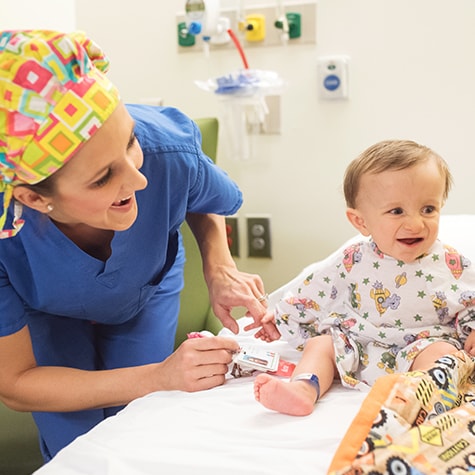
Some facilities can’t guarantee a pediatric anesthesiologist for your child—we do.
While some hospitals may not be staffed to meet this need, at Children’s, every baby, child and teen receives care from a pediatric anesthesiologist who understands best practices for growing bodies.
Learn more
Anesthesiology is a specialty focused on the safe management of anxiety and/or pain before, during and after a medical procedure.
This can include:
- Sedation that can help keep a patient calm and/or still during a procedure
- Regional pain control that numbs an area of the body
- General anesthesia that renders a patient unconscious and insensitive to pain during surgery
Physicians who specialize in anesthesiology are called anesthesiologists.
Pediatric anesthesiologists are physicians specializing in anesthesiology, but with a sole focus on the care of children from newborn to age 21. They choose to make pediatric care the core of their medical practice, and receive advanced training and experience in the unique nature of medical and surgical needs of children.
Pediatric anesthesiologists are responsible for the general anesthesia, sedation and pain management needs of infants and children. Pediatric anesthesiologists generally provide the following services:
- Evaluating complex medical problems in infants and children when surgery is needed
- Planning and providing care before, during and after surgery
- Creating a nonthreatening environment for children in the operating room
- Controlling pain, if needed, after surgery either with intravenous (IV) medicines or other anesthetic techniques
- Providing anesthesia and sedation for many procedures outside of the operating room, such as MRI, CT scan and radiation therapy
In addition to the education and training all anesthesiologists receive, pediatric anesthesiologists complete at least one additional year of specialized training in the proper use of anesthesia in the care of infants and children. Pediatric anesthesiologists complete:
- At least four years of medical school
- At least three years of residency in anesthesiology
- One to three years of fellowship training in pediatric anesthesiology
- Certification from the American Board of Anesthesiologists, with the option to receive another board certification in pediatric anesthesiology
Modern anesthesia is safer than ever. Still, children need specialized care, precise dosing and close monitoring during and after surgery.
We will create a plan just for your child based on his weight, height, age, any existing medical conditions and type of surgery. A nurse will call you one or two days before surgery to let you know when your child should stop eating so that his stomach is empty during the procedure, what foods are allowed, and anything else you may need to know. One of our anesthesiologists will meet with you before surgery to make sure you and your child know what to expect, and we will be able to talk with you about any questions or concerns you may have.
FDA warns about prolonged anesthesia in children younger than 3 years old
On Dec. 14, 2016, the U.S. Food and Drug Administration (FDA) issued a safety announcement about the possible effect of giving anesthesia to children younger than 3 years old repeatedly or for long periods of time. Recent studies suggest that a single, relatively short exposure to general anesthetic and sedation drugs in infants or toddlers is unlikely to have negative effects on behavior or learning. However, further research is needed to fully characterize how anesthesia early in life may affect a child’s brain development.
Anesthetics are necessary for infants and children who require surgery, or other painful or stressful procedures, especially when they face situations requiring surgery or procedures that should not be delayed. Your child’s physician can discuss with you the benefits, risks and timing of surgery or procedures requiring anesthetics. Healthcare professionals, along with you, should balance the benefits of appropriate anesthesia use in young children against the potential risks.
Our team has specialized experience in all kinds of surgery for children, and we work with other specialists across the Children’s system.
Our comprehensive pediatric surgical services include:
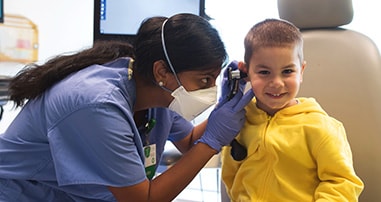
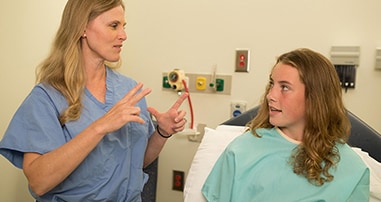
Fill out your pre-anesthesia health history forms before surgery
Choose the link for the location where your child is having surgery:
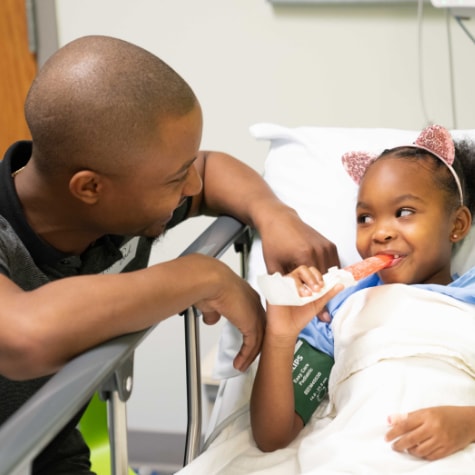
Enhanced Recovery After Surgery
Learn how we customize your child’s surgery experience to help them have a better recovery and get back to activities sooner.
learn moreHow can I prepare my child or teen for having surgery?
Studies show that children cope better with medical procedures when they are well prepared ahead of time. Here are some ways we recommend preparing and talking to your child about his surgery.
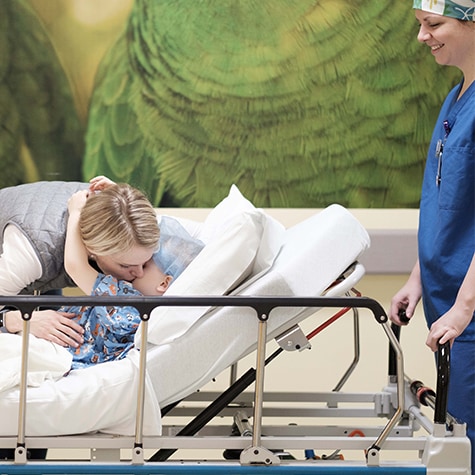
See Our Pre-Surgery Checklists
It’s important to follow pre-surgery instructions so your child or teen can be as safe as possible during their procedure. Get pre-surgery instructions and tips on preparing for your child’s procedure.
Read InstructionsCan I tour the facility before surgery?
To help prepare your child for his procedure, the Child Life departments at Arthur M. Blank Hospital and Scottish Rite Hospital offer pre-admission tours for those scheduled for medical procedures or surgeries. This tour is geared toward children over the age of 3.
To schedule a pre-admission tour, call our Child Life department at 404-785-8648.
What should I bring if my child needs to stay overnight?
If you’re going to stay overnight, we recommend bringing:
- Comfort items from home, such as favorite clothes, a special toy or a blanket
- A pillow, pajamas or personal items for yourself if you plan to stay with your child (your child will feel more secure with a parent or family member close by)
- Snacks from home if desired
- Toiletries, such as a toothbrush and toothpaste
What should I bring the day of surgery?
You or your child’s legal guardian must come to the hospital with your child, in order to sign papers allowing us to do the surgery.
Before walking out the door to go to the hospital, check to make sure you have:
- A list of questions for the doctor or nurse
- Any paperwork your child’s doctor has given you
- Your current insurance card
- Your child’s regular medicines in their prescription bottles
- Your child’s favorite blanket, stuffed animal, doll or book
- A bottle or sippy cup if your child uses one
- An extra pair of clothes for you and your child
- If your child is having an orthopedic surgery on the upper (arm, wrist or shoulder) or lower (hips, leg, knee or foot) parts of his body, there may be special types of clothing that need to be brought to wear after surgery. Be sure to follow your doctor’s instructions on what to wear after surgery.


We have four locations conveniently located around Atlanta. Click for directions to find your nearest location.
Arthur M. Blank Hospital
2220 North Druid Hills Road, NE
Atlanta, GA 30329
Scottish Rite Hospital
1001 Johnson Ferry Road NE
Atlanta, GA 30342-1605
Children’s at Meridian Mark
5445 Meridian Mark Road NE
Atlanta, GA 30342-4755
Children’s at Satellite Boulevard Outpatient Surgery Center
2620 Satellite Blvd.
Duluth, GA 30096-1204
Contact Us 404-785-KIDS (5437)